How Many Smart Plugs Can You Use on One Circuit? A Renter Safety Guide
Last Updated: December 2025
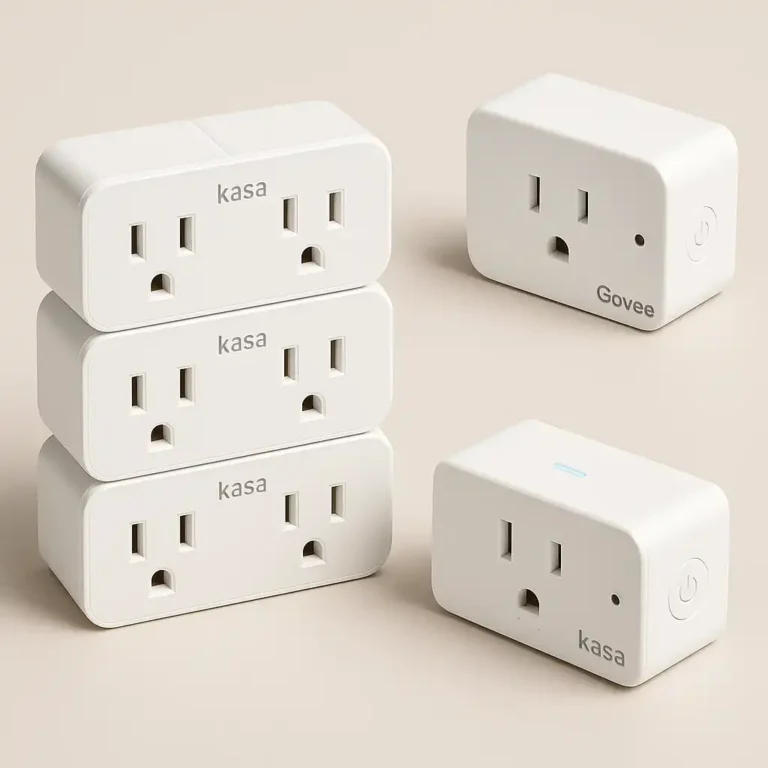
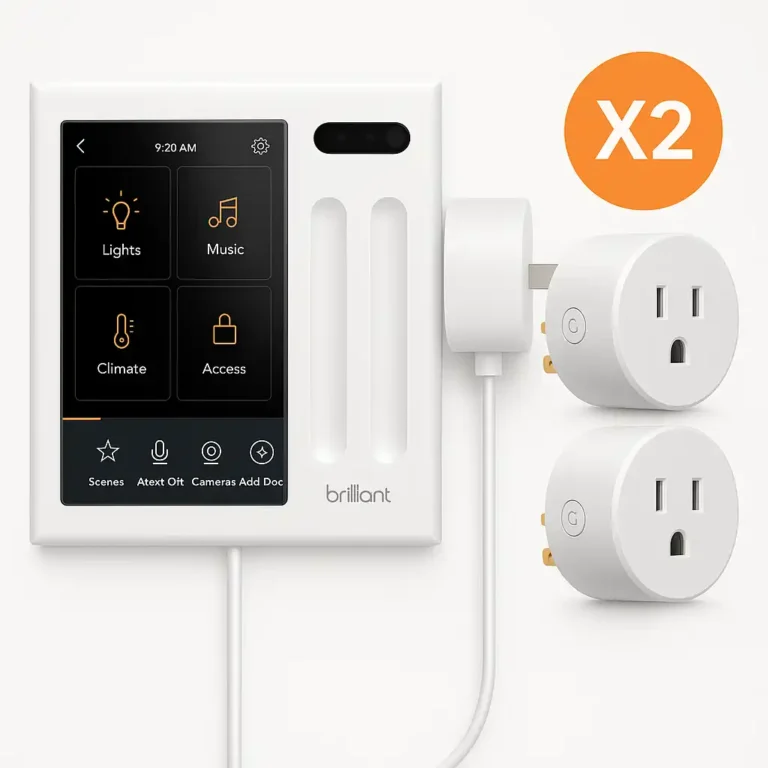
Smart plugs make it easy to automate lights, fans, and everyday electronics, but many renters worry about how many they can safely use on one circuit. Older apartments, shared wiring, and limited outlets make this a common concern—especially for renters trying to avoid tripping breakers or causing electrical issues.
Understanding how circuits work and what actually causes overloads helps renters use smart plugs confidently without risking safety or lease problems.
👉 If you want a renter-friendly overview of how smart plugs are typically used in apartments, this practical guide to using smart plugs in rental homes explains the basics before diving into electrical limits.
🔍 What an Electrical Circuit Really Means in an Apartment
An electrical circuit supplies power to a group of outlets and fixtures, not just one wall socket. In apartments, several outlets in the same room—or even across rooms—often share a single circuit.
This means the limit isn’t about how many smart plugs you own, but how much total power the connected devices draw on that circuit at the same time.
🔍 How Smart Plugs Affect Circuit Load
Smart plugs themselves use very little electricity. The real load comes from the devices plugged into them. A lamp and phone charger barely register on a circuit, while space heaters or large appliances draw much more power.
Smart plugs don’t increase a circuit’s capacity—they simply control devices that already consume electricity.
🔍 Typical Circuit Limits Renters Should Know
Most apartment circuits are rated for 15 amps, which equals roughly 1,800 watts. As a general safety guideline, electricians recommend using no more than about 80% of that capacity at once.
That means a circuit can usually handle multiple low-power devices, even if each one is connected through a smart plug.
🔍 When Multiple Smart Plugs Become a Problem
Issues usually arise when several high-draw devices are running on the same circuit at the same time. Examples include heaters, coffee makers, microwaves, or hair dryers operating together.
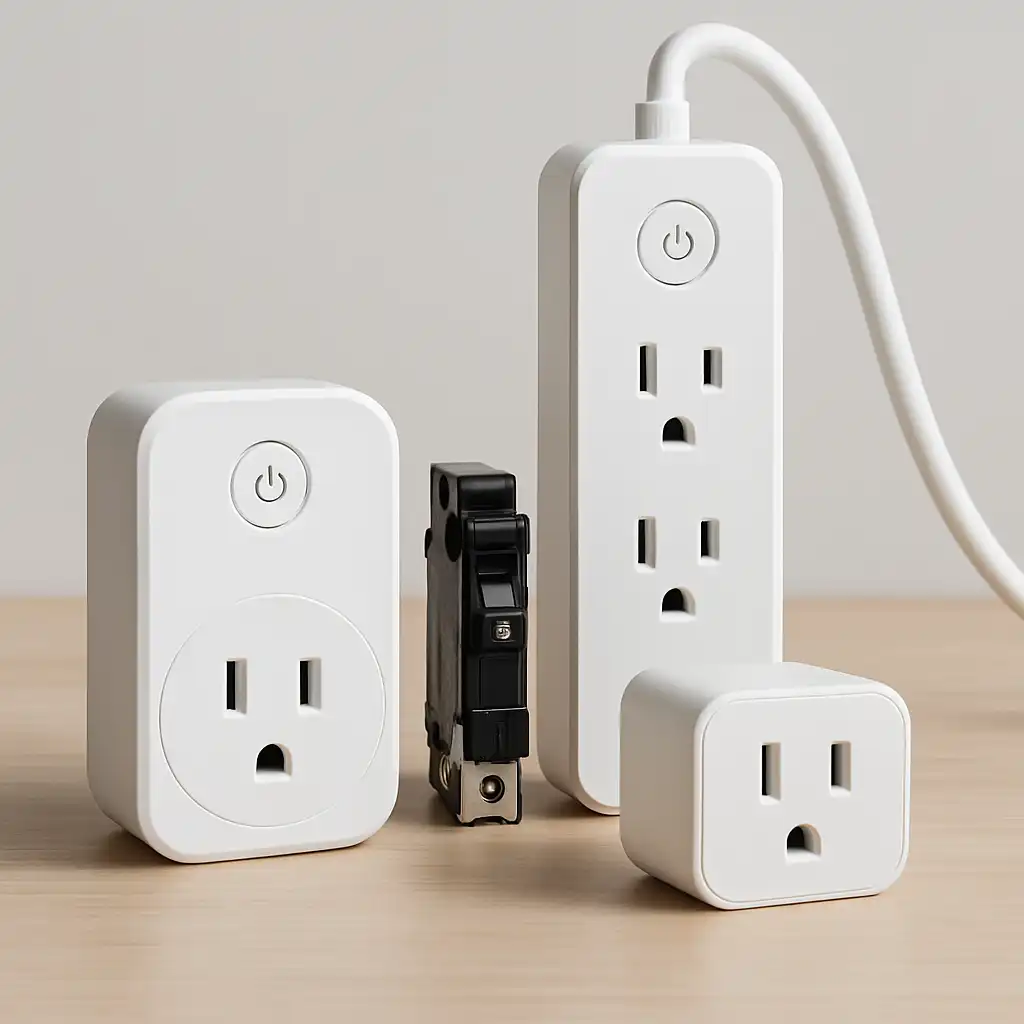
Renters deciding between spreading devices across rooms or grouping them in one area often benefit from understanding how smart plugs compare to smart power strips in apartment setups, since outlet grouping can affect circuit load more than the number of plugs used.
🔍 Signs You’re Overloading a Circuit
Common warning signs include:
- Breakers tripping frequently
- Lights dimming when devices turn on
- Warm outlets or plug faces
- Buzzing sounds near outlets
If you notice these issues, reducing load or redistributing devices is important.
🔍 Practical Safety Tips for Renters
To stay within safe limits:
- Use smart plugs mainly with low- to medium-power devices
- Avoid running multiple high-draw appliances on one circuit
- Spread smart plugs across different rooms when possible
- Pay attention to breaker trips—they’re a safety feature
These habits matter more than the number of smart plugs you own.
📌 Key Takeaways
- Smart plugs don’t increase circuit capacity
- The total wattage of devices matters more than plug count
- Most circuits safely handle many low-power devices
- High-draw appliances create the real risk
- Breaker trips are a sign to reduce load, not ignore
🟢 FAQs
Q: Is there a limit to how many smart plugs you can use on one circuit?
There’s no fixed number. The limit depends on the total power draw of connected devices.
Q: Do smart plugs themselves overload circuits?
No. The devices plugged into them determine circuit load.
Q: Are smart plugs safe in older apartments?
Yes, when used with low-power devices and good-condition outlets.
Q: Should renters worry about using several smart plugs at once?
Only if multiple high-draw appliances are running on the same circuit.
✅ Conclusion
Renters can safely use multiple smart plugs on one circuit as long as the connected devices stay within normal electrical limits. Smart plugs themselves don’t overload circuits—the risk comes from high-power appliances running together. By spreading devices out and paying attention to warning signs, renters can enjoy smart home convenience without electrical concerns.