Are Smart Thermostats Renter-Friendly? A Practical Guide for Apartment Living
Last Updated: December 2025
Smart thermostats are often promoted as easy upgrades that save money and improve comfort. For homeowners, that’s usually true. For renters, it’s rarely that simple. Whether a smart thermostat is renter-friendly depends less on the device itself and more on your apartment’s heating setup, lease rules, and how much control you actually have.
This guide explains when smart thermostats make sense for renters, when they don’t, and what alternatives often work better in typical apartments.
👉 If you’re planning broader comfort upgrades, this guide on how smart climate control works for renters explains how heating, cooling, and air quality tools can work together without permanent changes.
🔍 What “Renter-Friendly” Really Means for Smart Thermostats
For renters, “renter-friendly” usually means avoiding permanent changes. That includes no rewiring, no drilling, and no modifications that could create problems when it’s time to move out.
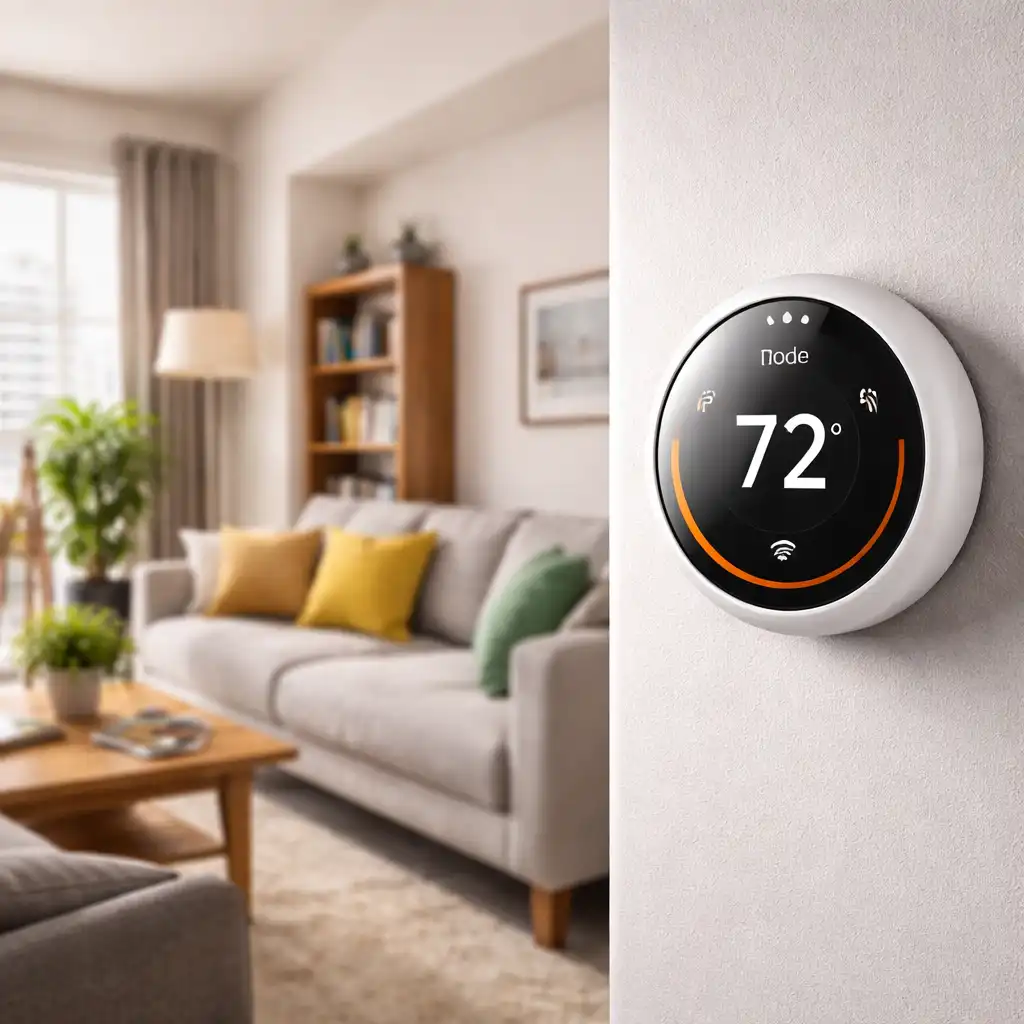
Most traditional smart thermostats replace the wall thermostat and connect directly to HVAC wiring. In many rentals, that level of access either requires permission or isn’t allowed at all.
That doesn’t make smart thermostats impossible for renters, but it does mean they come with more limitations than marketing often suggests.
🔍 When Smart Thermostats Can Work in Rental Apartments
Smart thermostats can work for renters in specific situations. These usually involve apartments where the renter has full control over heating and cooling.
They’re more likely to be an option if your apartment has its own HVAC system, the thermostat isn’t locked or centrally managed, and your landlord allows temporary replacements. In these cases, some renters install a smart thermostat and reinstall the original one before moving out.
This setup is more common in newer buildings or rental homes rather than older apartment complexes.
🔍 Common Reasons Smart Thermostats Don’t Work for Renters
Many renters discover too late that smart thermostats simply aren’t compatible with their living situation.
Common issues include central heating controlled by the building, thermostats managed by the landlord, or wiring that doesn’t support smart upgrades. Lease agreements may also explicitly prohibit changes to heating and cooling controls.
In these situations, buying a smart thermostat often leads to frustration rather than savings.
🔍 Are Smart Thermostats Allowed in Rental Properties?
There’s no universal rule. Some landlords allow thermostat changes as long as the original unit is reinstalled before move-out. Others don’t allow any modifications at all.
Before buying a smart thermostat, renters should review their lease and confirm who controls heating and cooling. A short conversation with the property manager can prevent unnecessary issues later.
🔍 Smart Thermostats vs Renter-Friendly Alternatives
When replacing the wall thermostat isn’t allowed, many renters turn to alternatives that offer similar benefits without installation.
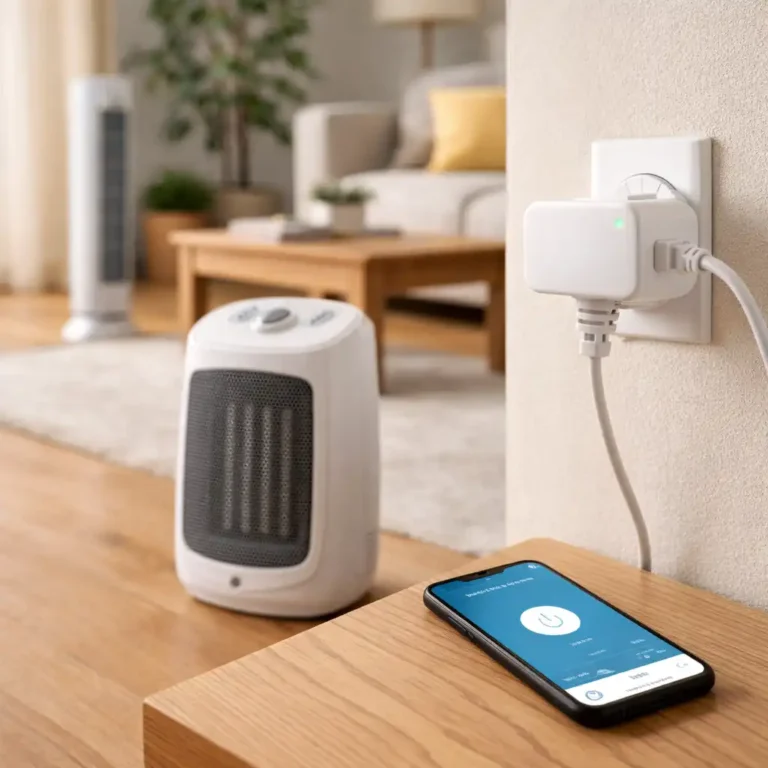
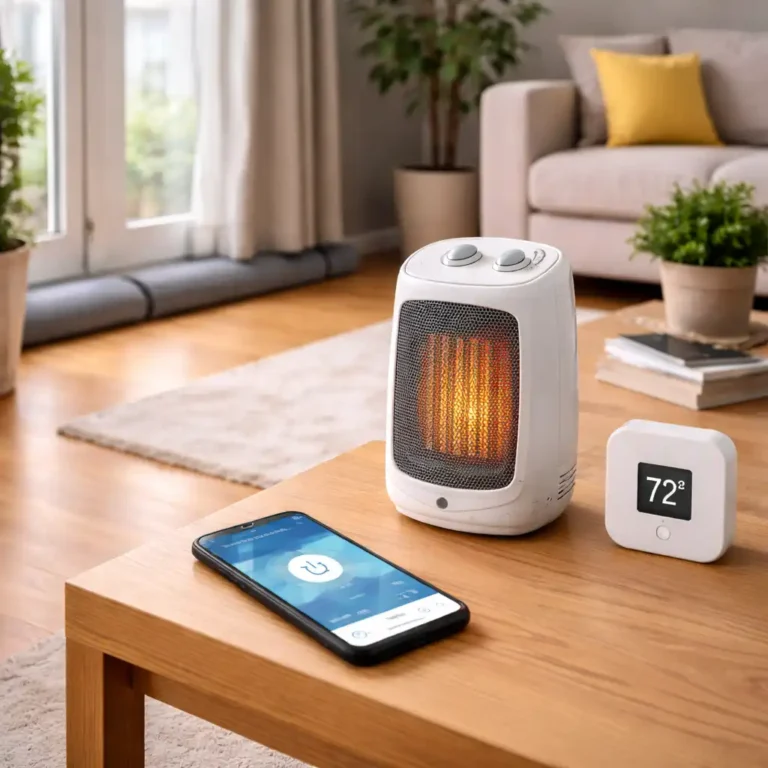
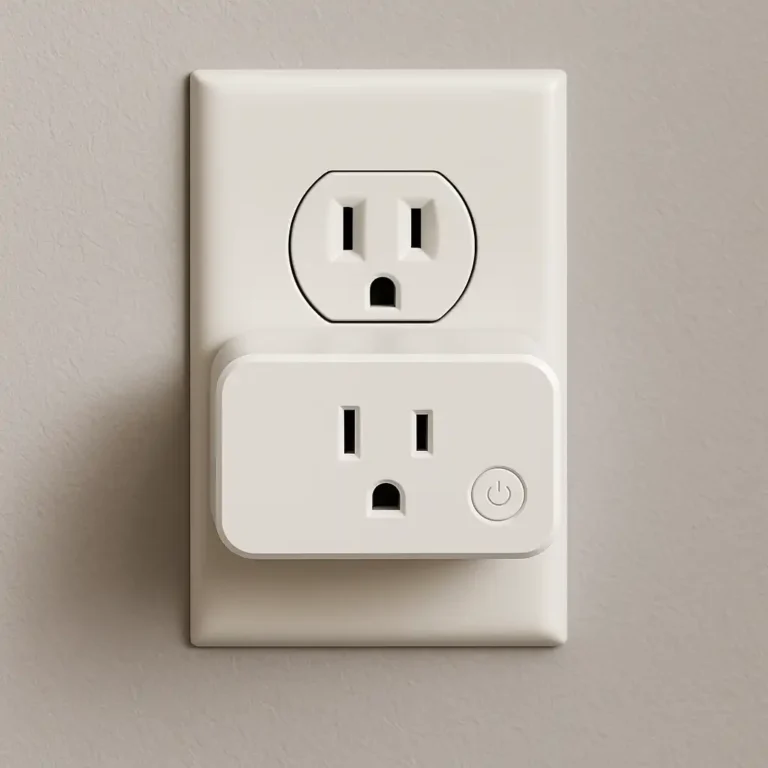
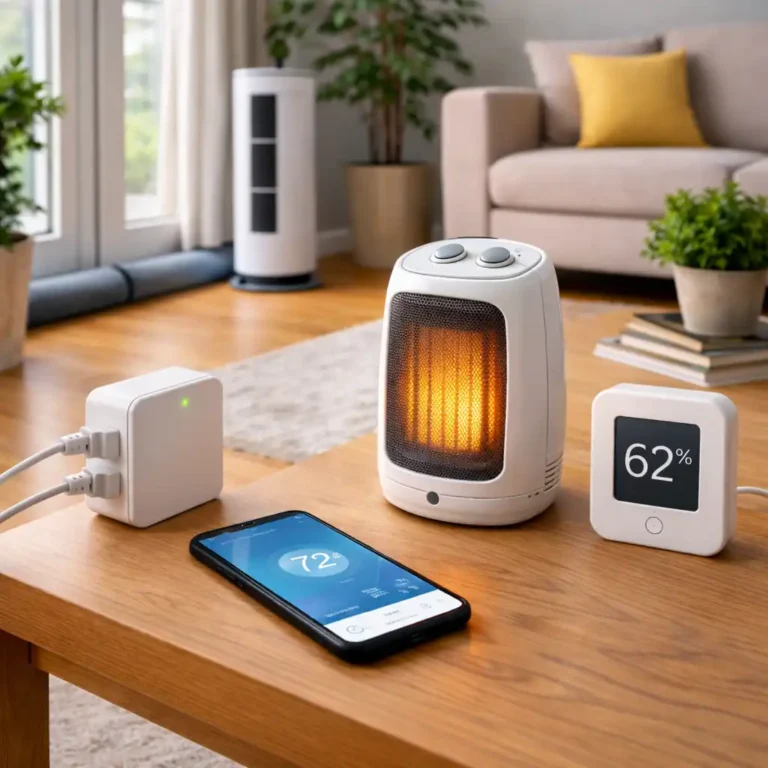
Options like smart AC controllers, plug-in temperature controllers, and smart sensors don’t replace the thermostat, but they still provide practical control over indoor comfort. These solutions are often easier to use in apartments and don’t raise lease concerns.
For many renters, these alternatives end up being more flexible and less stressful.
🔍 Do Smart Thermostats Actually Save Renters Money?
Savings depend heavily on control. Renters who manage their own HVAC system may benefit from scheduling and automation. Renters in buildings with central heating usually won’t see noticeable savings.
If you don’t control when heating or cooling turns on, a smart thermostat can’t reduce energy use in a meaningful way.
That’s why renter-friendly alternatives often make more sense financially.
🔍 Should Renters Buy a Smart Thermostat?
A smart thermostat can be renter-friendly in the right setup, but it isn’t a universal solution. For many apartments, it’s either unnecessary or unusable.
Renters should think about who controls heating and cooling, whether changes are allowed, and how long they plan to stay. In many cases, flexible no-install options fit rental life better.
📌 Key Takeaways
- Smart thermostats aren’t automatically renter-friendly
- Lease rules and HVAC access matter more than brand
- Many apartments don’t allow thermostat replacement
- Alternatives often work better for renters
- Checking permissions first avoids wasted money
🟢 FAQs
Q: Can renters install smart thermostats?
Sometimes. It depends on the lease, the HVAC setup, and landlord approval.
Q: Do smart thermostats work in apartments with central heating?
Usually not. Central systems limit individual temperature control.
Q: Are smart thermostats worth it for short-term rentals?
Often no. Portable alternatives are usually a better fit.
Q: What’s the safest option for renters?
No-install smart climate devices that don’t modify the wall thermostat.
✅ Conclusion
Smart thermostats can be renter-friendly in certain apartments, but they’re far from a one-size-fits-all upgrade. Lease restrictions and limited HVAC access make them impractical for many renters. Understanding your setup—and knowing when alternatives make more sense—helps you avoid wasted money and unnecessary hassle.