Do Smart Air Purifiers Use a Lot of Electricity? What Renters Should Know
Last Updated: December 2025
Air purifiers are one of the most renter-friendly upgrades you can make, especially in apartments with dust, pets, cooking smells, or limited airflow. Still, it’s normal to pause before buying one and ask a simple question: do smart air purifiers use a lot of electricity?
The short answer is no—but context matters. This guide explains how much power smart air purifiers actually use, what affects their electricity consumption, and how renters can keep running costs low. Everything here is focused on apartment-sized spaces, not large homes or built-in systems.
👉 If you’re building a renter-safe setup beyond just air quality, this guide to smart climate control for renters explains how purifiers, heating, and cooling devices work together without permanent changes.
🔍 How Much Electricity Do Smart Air Purifiers Use?
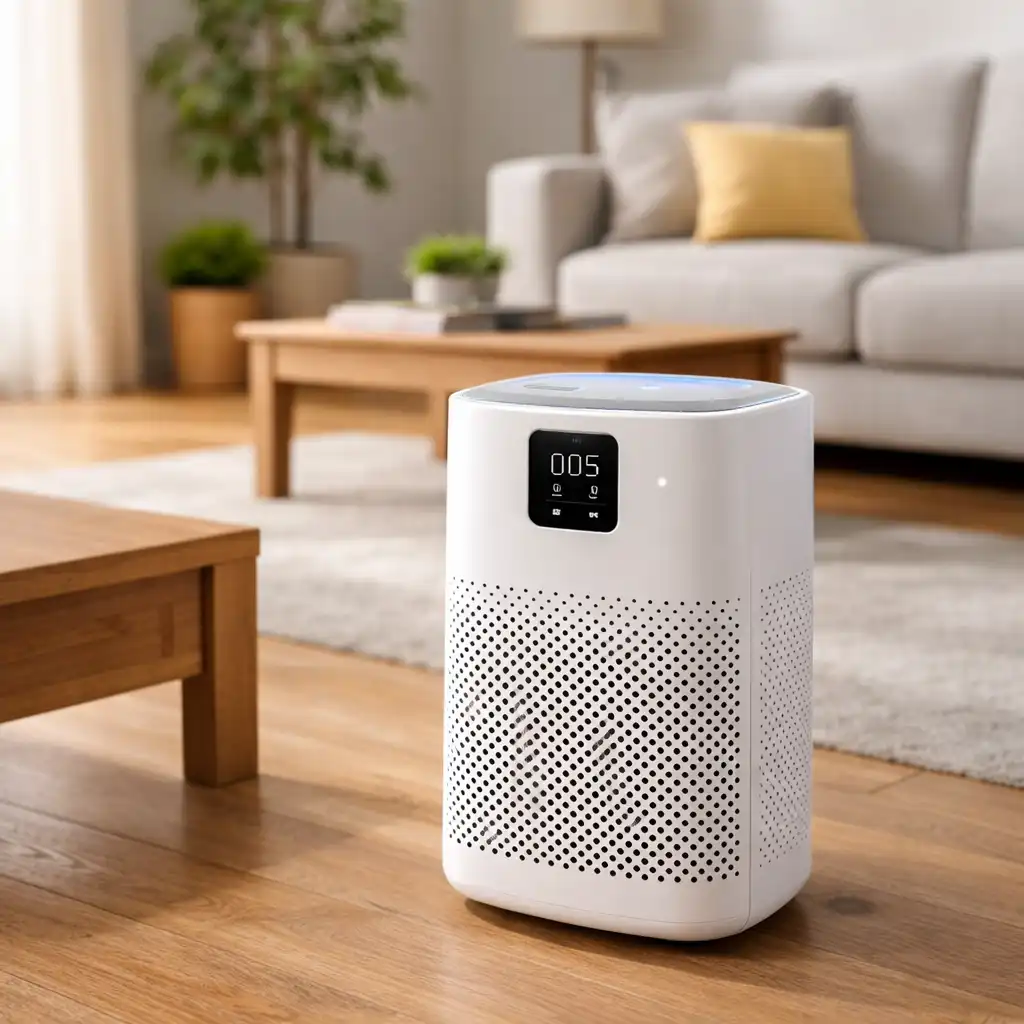
In most apartments, smart air purifiers use very little electricity. On low or automatic settings, many models draw about the same amount of power as a regular light bulb.
Smaller purifiers designed for bedrooms or apartments typically fall in the 5 to 50 watt range, depending on fan speed and room size. Even when running all day, this usually results in a modest monthly cost.
Higher fan speeds use more power, but smart purifiers tend to switch to those levels only when air quality drops.
🔍 Why Smart Air Purifiers Are Often More Energy-Efficient
Smart air purifiers are often more efficient than basic models because they don’t run at full speed all the time. Built-in sensors constantly monitor air quality and adjust the fan only when needed.
When the air is clean, the purifier slows down automatically. This is especially useful in apartments where conditions change throughout the day due to cooking, cleaning, or opening windows.
Timers, schedules, and app controls also help renters avoid unnecessary runtime.
🔍 Auto Mode vs Manual Mode for Energy Use
For most renters, auto mode is the most energy-efficient option. Instead of running at a fixed speed, the purifier responds to real conditions in the room.
Manual high-speed settings do increase electricity use, but they’re usually used for short bursts—like after frying food or vacuuming. For everyday use, low or auto modes keep power consumption down.
Leaving a purifier on high all day will raise energy use, but that’s rarely needed in apartment living.
🔍 What Electricity Costs Look Like in Apartments
In real-world terms, running a smart air purifier 24/7 often costs far less than renters expect. In many apartments, the monthly cost is closer to a few euros or dollars rather than a noticeable jump on the bill.
Because apartments are smaller than houses, purifiers don’t need to work as hard to clean the air. That naturally keeps electricity use lower.
For renters paying their own utilities, this makes air purifiers one of the most affordable smart climate upgrades.
🔍 Features That Can Increase Power Use
Some features can slightly increase electricity use. Purifiers designed for larger rooms, higher airflow ratings, or running multiple units at once will naturally consume more power.
Displays, Wi-Fi connectivity, and air quality sensors do use electricity, but the impact is small compared to fan speed.
The biggest factor remains how often the purifier runs on higher settings.
🔍 When Electricity Use Might Be Higher Than Normal
Electricity use can rise if an air purifier is constantly dealing with smoke, heavy cooking fumes, or poor ventilation.
Clogged or overdue filters can also force the fan to work harder, increasing power consumption. Replacing filters on schedule helps maintain both performance and efficiency.
Even in these situations, smart air purifiers usually consume far less electricity than heating or cooling devices.
📌 Key Takeaways
- Smart air purifiers use very little electricity in apartments
- Most models draw about as much power as a light bulb
- Auto mode helps keep energy use low
- Smaller spaces naturally reduce power needs
- Fan speed has the biggest impact on electricity consumption
🟢 FAQs
Q: Do smart air purifiers increase electricity bills a lot?
No. For most apartments, the added cost is small and often barely noticeable.
Q: Is it okay to run a smart air purifier all day?
Yes. Many are designed for continuous use and stay efficient on low or auto modes.
Q: Do smart features increase electricity use?
Only slightly. Sensors and Wi-Fi use minimal power compared to the fan motor.
Q: What setting uses the least electricity?
Auto or low fan settings usually consume the least power while maintaining clean air.
✅ Conclusion
Smart air purifiers do not use a lot of electricity, especially in apartment settings. Thanks to air quality sensors, auto modes, and efficient fan designs, they deliver cleaner air without noticeably increasing energy bills. For renters, they’re one of the simplest and most cost-effective ways to improve indoor air quality without making permanent changes.