How to Automate Heating and Cooling With Smart Plugs (Renter-Friendly Guide)
Last Updated: December 2025
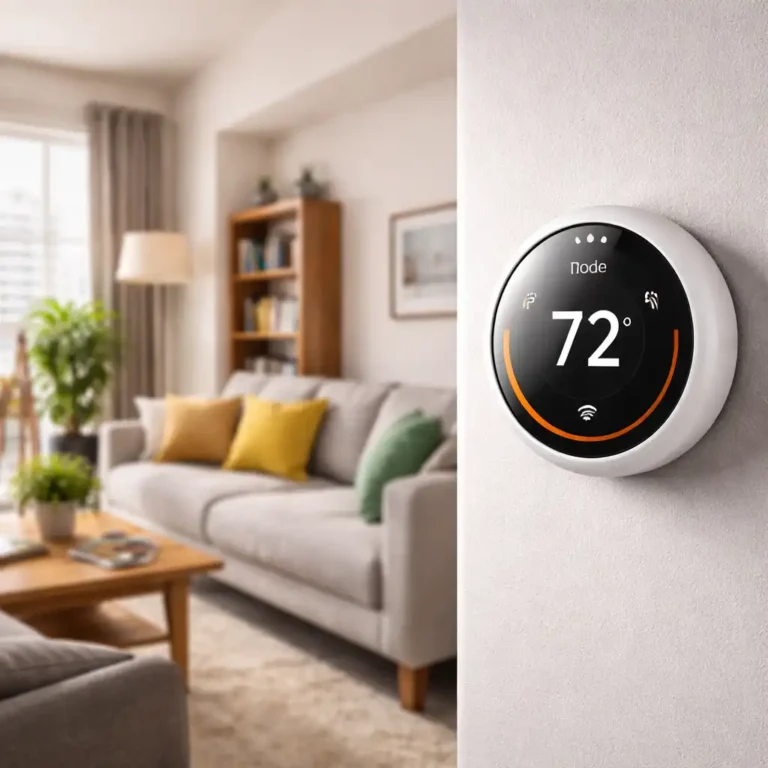
Living in a rental often means the thermostat isn’t really yours to control. It might be locked, shared, or placed in a spot that doesn’t reflect how your apartment actually feels. That’s where smart plugs can quietly make a big difference for renters.
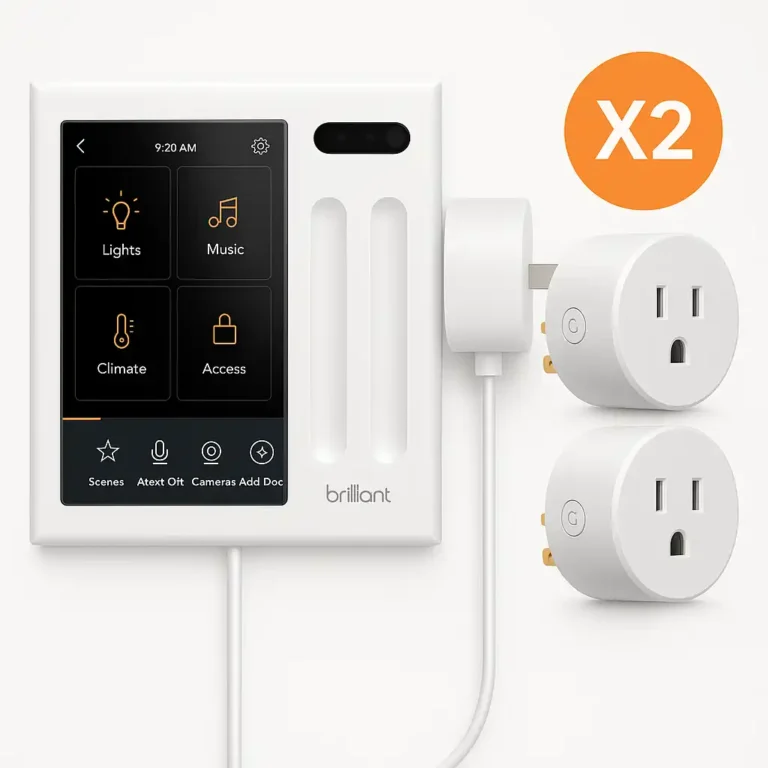
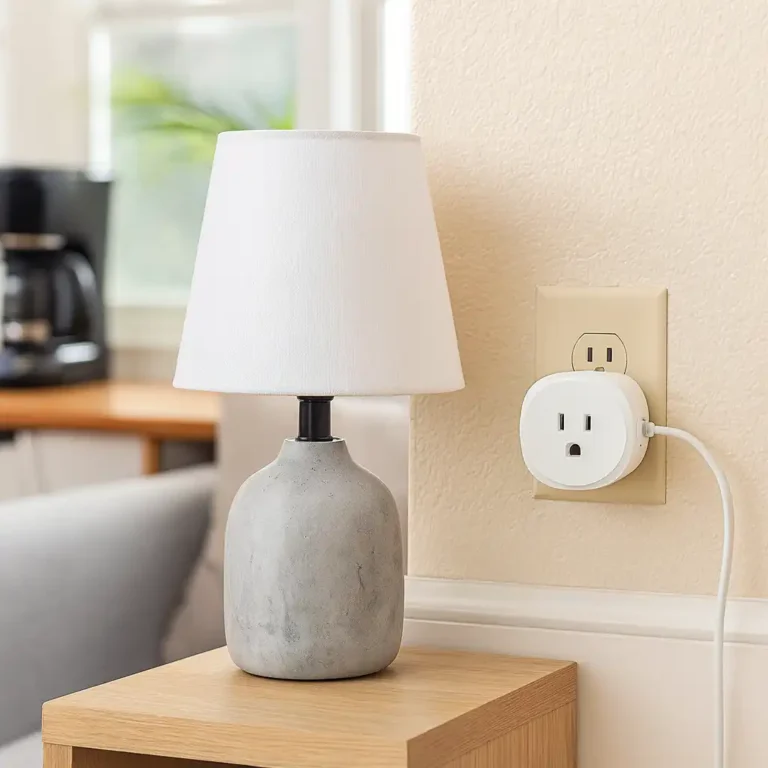
Smart plugs let you automate heating and cooling without touching or replacing the thermostat. When used correctly, they improve comfort, reduce wasted energy, and stay fully renter-friendly with no drilling, wiring, or landlord approval needed.
👉 If you’re building a broader renter-safe setup, this guide to smart climate control for renters explains how smart plugs, sensors, heaters, and fans work together without permanent changes.
🔍 What Smart Plugs Can (and Can’t) Control
Smart plugs don’t control temperature directly. Instead, they manage power to devices that affect temperature, such as space heaters, fans, and some portable air conditioners.
You plug the device into the smart plug and use schedules or routines to turn it on and off automatically. This works well in apartments because it doesn’t rely on the building’s heating system at all.
The key limitation is that the device must turn on automatically when power is restored. If it requires pressing a digital button every time, a smart plug won’t work reliably.
🔍 Best Heating Devices to Automate With Smart Plugs
Smart plugs work best with simple, mechanical heating devices. These are heaters that immediately start heating as soon as they receive power.
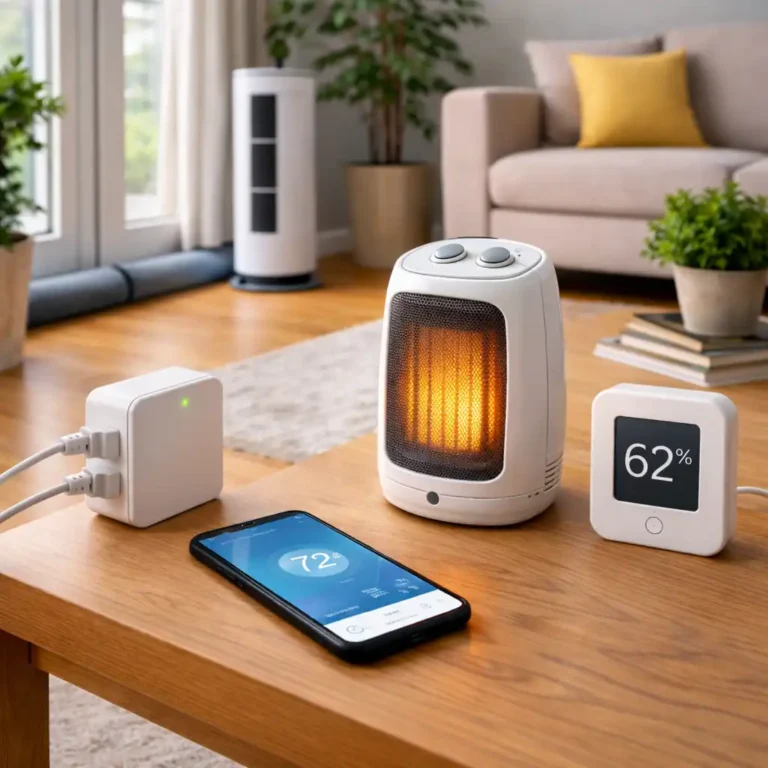
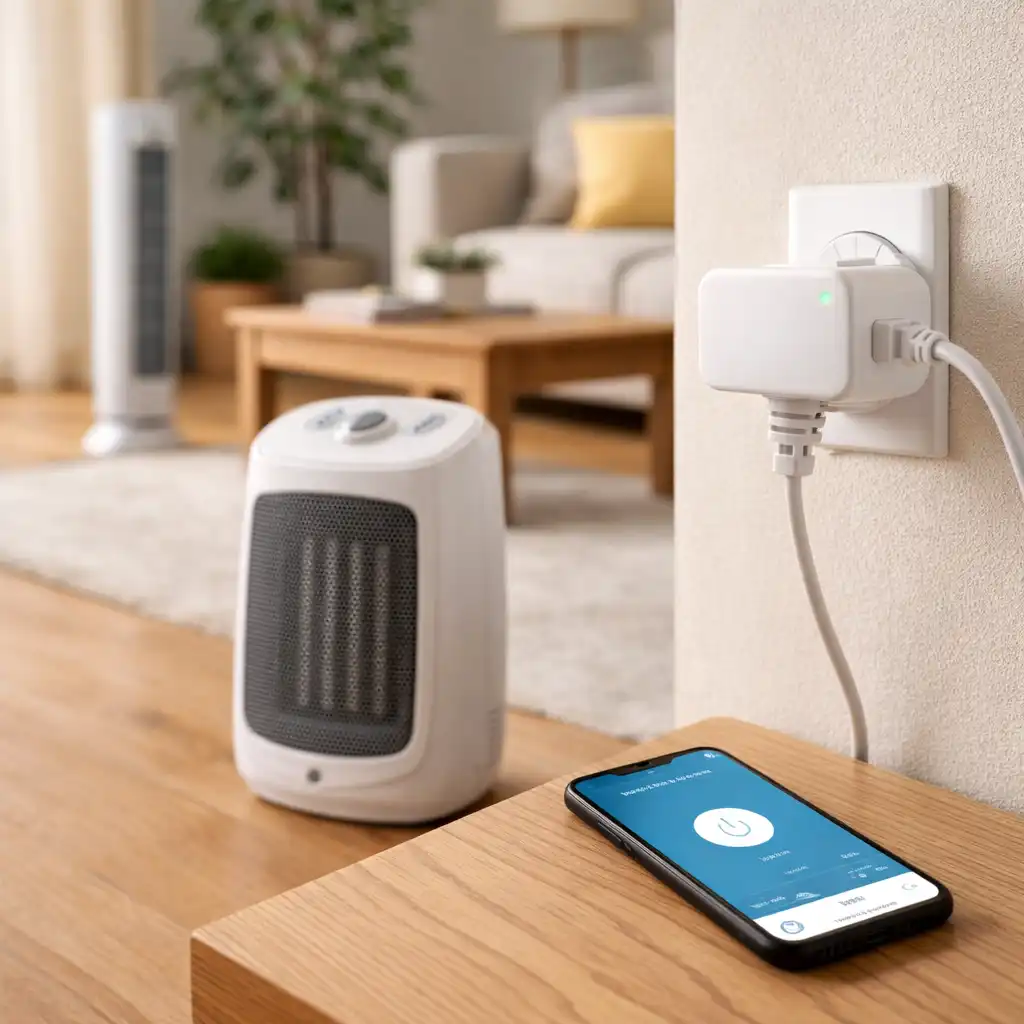
Oil-filled radiators, ceramic space heaters with physical switches, and basic panel heaters are common renter-friendly options. They’re easy to automate for mornings, evenings, or overnight use.
Avoid heaters with touchscreens or soft power buttons unless the manufacturer explicitly confirms smart plug compatibility.
🔍 Best Cooling Devices to Automate With Smart Plugs
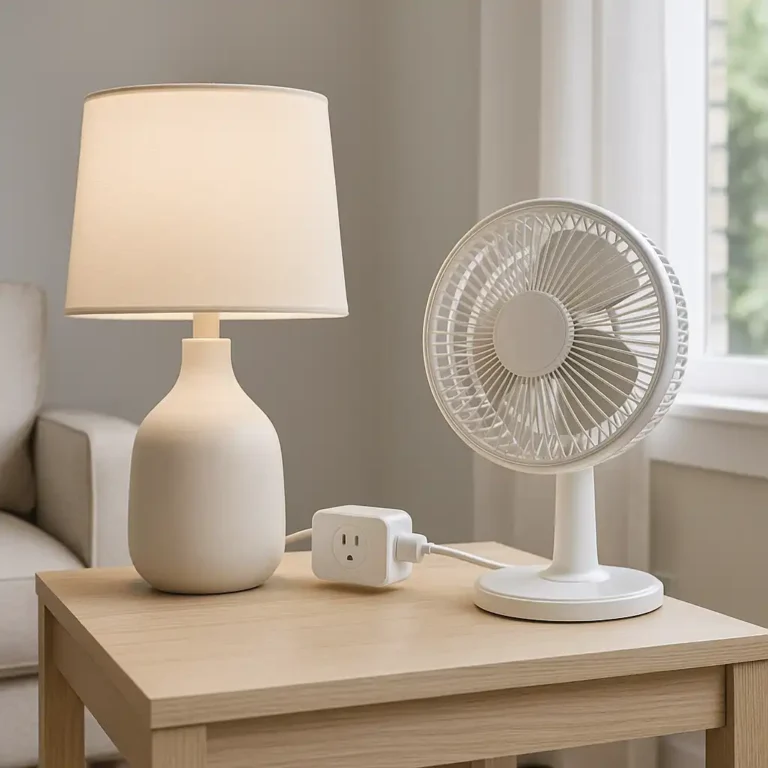
Cooling is often easier to automate than heating. Desk fans, tower fans, and box fans with physical dials usually work perfectly with smart plugs.
You can schedule fans to run during the hottest parts of the day and shut off automatically at night or when you leave. This is especially useful in apartments that trap heat in the afternoon but cool down later.
Some renters also automate portable air conditioners, but only if the unit safely resumes operation after a power cycle.
🔍 Schedules vs Automation Rules
Schedules are the simplest way to get started. You choose specific times for devices to turn on and off, such as early mornings or evenings.
Automation rules add more flexibility, like turning a heater on only during certain hours or switching a fan off when you leave home. These features are helpful, but not required to see real benefits.
For most renters, basic schedules are enough to improve comfort without added complexity.
🔍 Pairing Smart Plugs With Temperature Sensors
Smart plugs become much more effective when paired with temperature sensors. While the plug controls power, the sensor shows what’s actually happening in the room.
This allows you to automate a heater or fan based on real temperature changes instead of guesswork. A heater can turn on only when a room drops below a set point and shut off automatically when it warms up.
For renters, this setup offers thermostat-like control without changing the thermostat itself.
🔍 Safety Tips Renters Should Always Follow
Safety is especially important when automating heating devices. Space heaters draw a lot of power, so the smart plug must be rated for high wattage.
Always plug heaters directly into the wall using the smart plug. Avoid extension cords and keep heaters away from furniture, curtains, and bedding.
If a plug or outlet ever feels warm to the touch, stop using that setup immediately.
🔍 Common Automation Mistakes to Avoid
A common mistake is automating devices that shouldn’t be turned on and off frequently. This can shorten lifespan or create safety issues.
Another mistake is setting schedules and never testing them. Always test automations while you’re home before relying on them overnight or when you’re away.
Start with one room and one device, then expand once you’re confident everything works smoothly.
📌 Key Takeaways
- Smart plugs let renters automate heating and cooling without thermostat access
- Mechanical heaters and fans work best with smart plugs
- Simple schedules are effective for most apartments
- Pairing plugs with sensors improves comfort and efficiency
- Safety and wattage limits matter most for heating devices
🟢 FAQs
Q: Can smart plugs safely control space heaters?
Yes, as long as both the heater and the smart plug are rated for the required wattage and use mechanical switches.
Q: Do smart plugs help reduce energy waste?
They can, especially by limiting runtime and avoiding heating or cooling empty rooms.
Q: Can I automate heating without changing the thermostat?
Yes. Smart plugs work independently of your apartment’s thermostat.
Q: Are smart plugs allowed in rental apartments?
Yes. They’re plug-in devices that don’t require permanent installation.
✅ Conclusion
Smart plugs give renters a practical way to automate heating and cooling without replacing the thermostat or modifying the apartment. When paired with the right devices and used safely, they improve comfort, reduce wasted energy, and fit naturally into rental living.