How to Control Heating in a Rental Without Replacing the Thermostat
Last Updated: December 2025
In many rentals, the thermostat isn’t really yours. It might be locked, shared with other units, outdated, or placed somewhere that doesn’t reflect how your apartment actually feels. That can make winter frustrating, especially when some rooms stay cold no matter what you do.
The good news is that you don’t need to replace the thermostat to take control of heating. There are renter-friendly ways to manage warmth using portable tools and smart devices that don’t involve wiring, drilling, or landlord approval.
👉 If you’re putting together a renter-safe comfort setup, this guide to smart climate control for renters shows how heating, cooling, and air-quality devices can work together without permanent changes.
🔍 Why Renters Usually Can’t Change the Thermostat
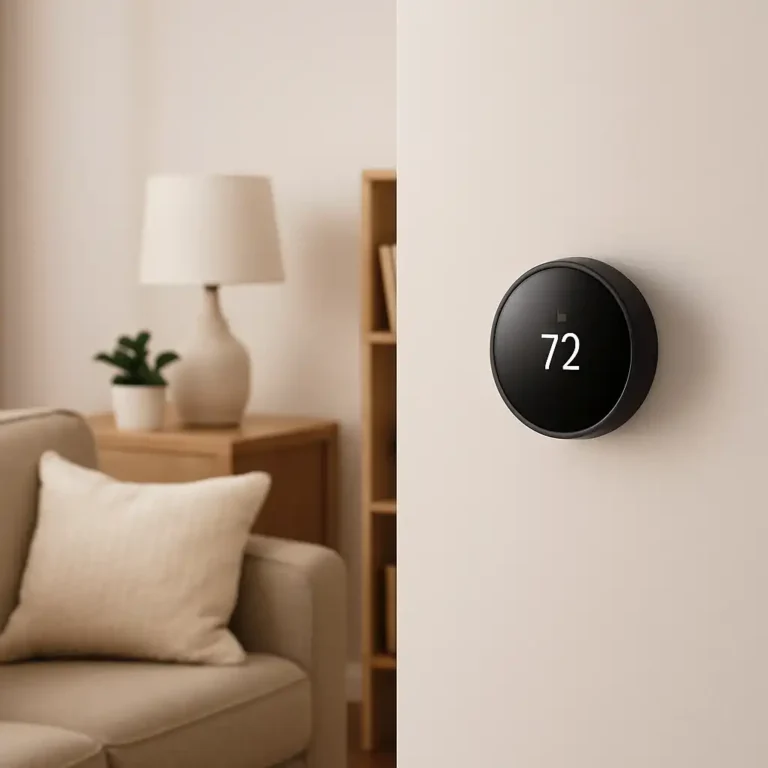
In most apartments, the thermostat is tied directly to the building’s heating system. That means it’s usually considered off-limits for renters.
Some buildings use central heating controlled by management, while others have individual thermostats that still require written permission to change. Even when replacement is technically possible, it often creates lease or move-out issues.
Because of this, most renters are better off working around the thermostat instead of trying to modify it.
🔍 Use Space Heaters for Room-by-Room Control
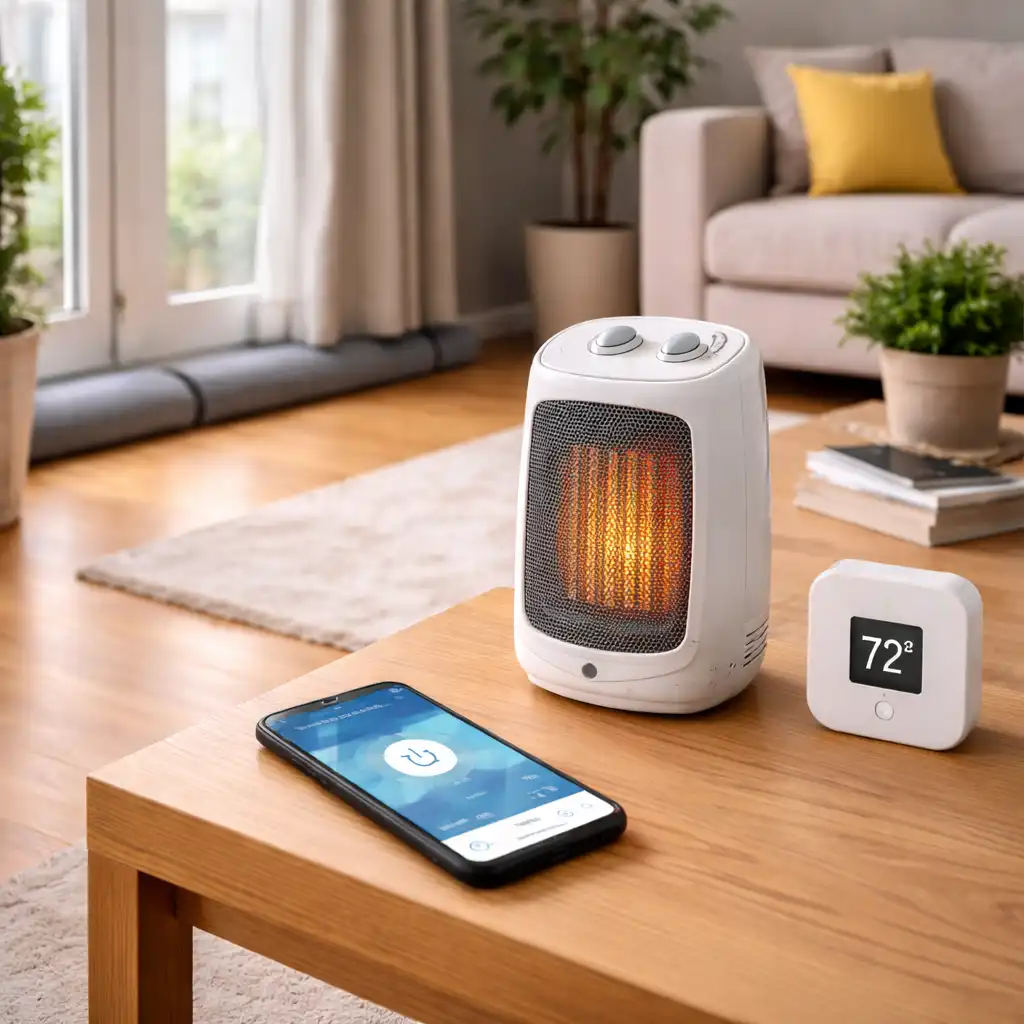
Portable space heaters are one of the easiest ways to regain control over heating in a rental. Rather than heating the entire apartment, you can focus warmth where you actually spend time.
This works well for bedrooms that get cold at night or home offices that never seem to warm up. Plug-in heaters give renters direct control without interfering with the main system.
The key is using heaters selectively and choosing models designed for safe indoor use.
🔍 Automate Heating With Smart Plugs
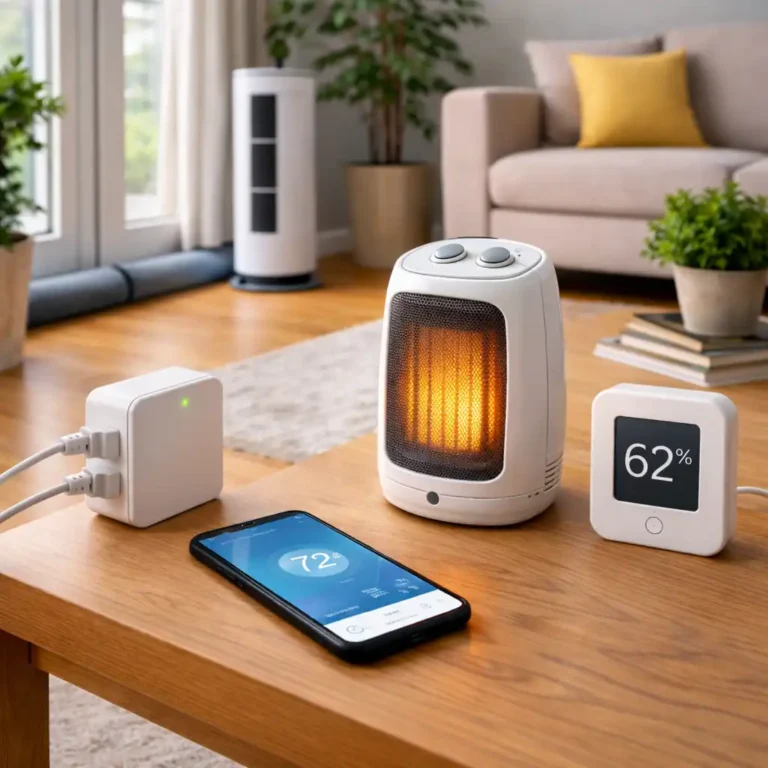
Smart plugs make space heaters much more convenient for renters. They don’t replace the thermostat, but they let you automate when heaters turn on and off.
You can schedule a heater to warm a room before you wake up or shut off automatically when you go to bed. This improves comfort while reducing wasted energy.
Smart plugs work best with heaters that have physical power switches and turn back on automatically after a power cycle.
🔍 Add Temperature Sensors for Smarter Control
Temperature sensors reveal what the thermostat often misses. Many rentals have hot and cold spots that aren’t reflected by the main control.
When paired with smart plugs, sensors allow heaters to respond to real room temperatures instead of guesses. A heater can turn on only when a room actually drops below a comfortable range.
For renters, this setup offers thermostat-like control without touching the thermostat itself.
🔍 Use Curtains, Draft Stoppers, and Layout Adjustments
Not every heating fix needs to be smart. Simple physical changes can dramatically improve how warm an apartment feels.
Thermal curtains reduce heat loss through windows, while draft stoppers block cold air from doors. Making sure furniture isn’t blocking radiators or vents also helps heat circulate properly.
These changes are affordable, renter-safe, and easy to undo when you move.
🔍 Work With the Existing Thermostat
Even if you can’t change the thermostat, you can still use it strategically. Many renters find it works best to set a lower baseline temperature and rely on room-level heating for comfort.
This approach reduces overheating and gives you more consistent warmth in the rooms you actually use. In practice, supplementing the system often works better than fighting it.
🔍 Common Mistakes Renters Should Avoid
A common mistake is trying to heat the entire apartment using several high-powered heaters. This can drive up energy costs and create safety concerns.
Another issue is blocking heaters or vents with furniture, which reduces efficiency and leads to uneven heating. Renters should also avoid any changes involving wiring or permanent modifications without permission.
📌 Key Takeaways
- Most renters can’t replace or modify thermostats
- Space heaters allow targeted, room-by-room heating
- Smart plugs make heating easier to automate
- Temperature sensors improve accuracy and comfort
- Simple physical changes reduce heat loss
🟢 FAQs
Q: Can renters change the thermostat themselves?
In most cases, no. Thermostats are usually part of the building’s heating system and require landlord approval.
Q: Are space heaters safe in rental apartments?
Yes, when used properly and kept clear of furniture, curtains, and bedding.
Q: Can smart plugs replace a thermostat?
No, but they can automate heaters and give renters more control over heating schedules.
Q: What’s the best renter-friendly way to control heating?
Using a combination of space heaters, smart plugs, and temperature sensors works well for most apartments.
✅ Conclusion
You don’t need to replace the thermostat to control heating in a rental. By combining portable heaters, smart plugs, temperature sensors, and a few simple adjustments, renters can improve comfort while staying within lease rules. For most apartments, these renter-friendly solutions offer more practical control than the thermostat ever did.