Smart Climate Mistakes Renters Should Avoid (And How to Fix Them Without Breaking Your Lease)
Last Updated: December 2025
Smart climate devices can genuinely improve apartment living. Smart plugs, space heaters, fans, sensors, and air purifiers give renters options that didn’t exist a few years ago—all without touching the thermostat.
Where things usually go wrong is setup. Many renters buy the right devices but use them in ways that waste energy, create uneven comfort, or introduce safety risks. These mistakes are easy to make, especially when you’re new to smart climate gear.
This guide covers the most common smart climate mistakes renters should avoid, along with practical, renter-friendly fixes that actually work in real apartments.
👉 If you’re starting from scratch, this guide to smart climate control for renters explains the basics before you buy devices or build automations.
🔍 Relying Only on the Apartment Thermostat
One of the biggest mistakes renters make is trusting the apartment thermostat to manage everything. In many rentals, thermostats are poorly placed, outdated, or shared across units.
That’s why one room overheats while another stays cold, no matter how often you adjust it. The thermostat simply isn’t measuring what matters most.
Smart climate setups work best when you support the thermostat instead of relying on it alone.
🔍 Using Smart Plugs With the Wrong Devices
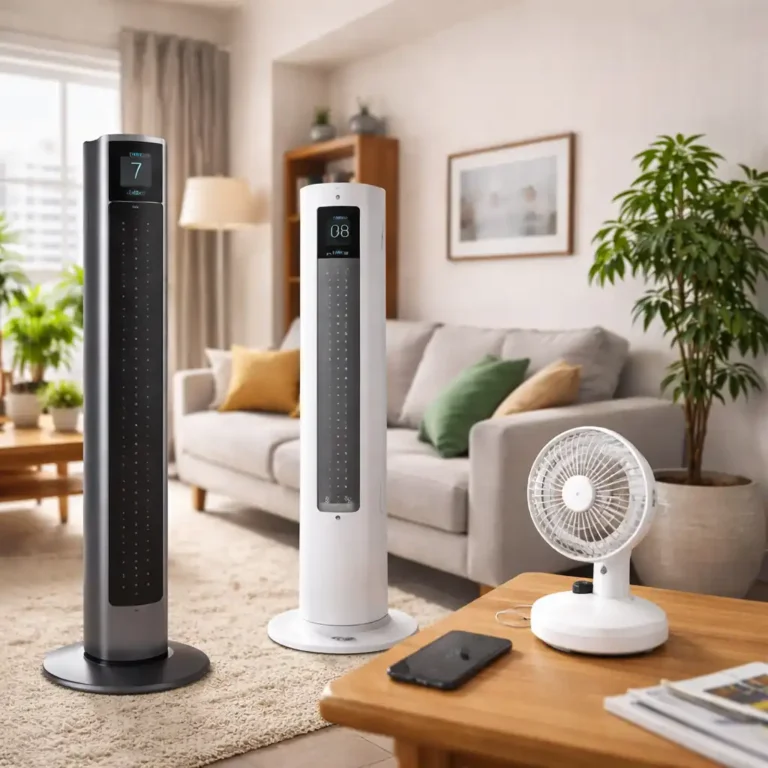
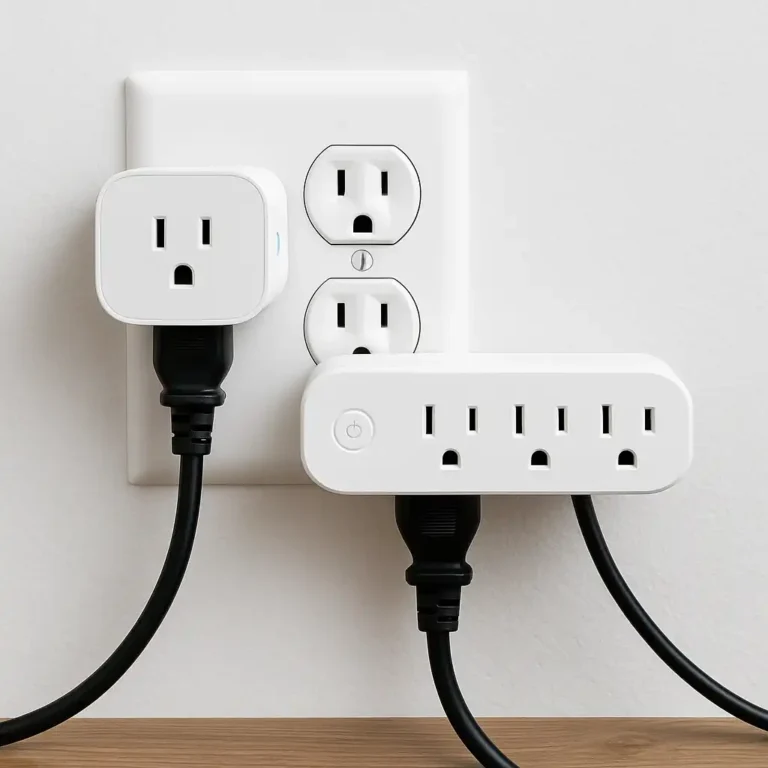
Smart plugs are powerful tools, but only when paired with compatible devices. A common mistake is using them with heaters or fans that require pressing a digital power button after power loss.
When this happens, schedules and automations quietly fail. The plug turns on, but the device doesn’t.
Smart plugs work best with mechanical devices that restart automatically when power is restored.
🔍 Ignoring Temperature Differences Between Rooms
Apartments rarely heat or cool evenly. Bedrooms, living rooms, and rooms near windows often behave very differently throughout the day.
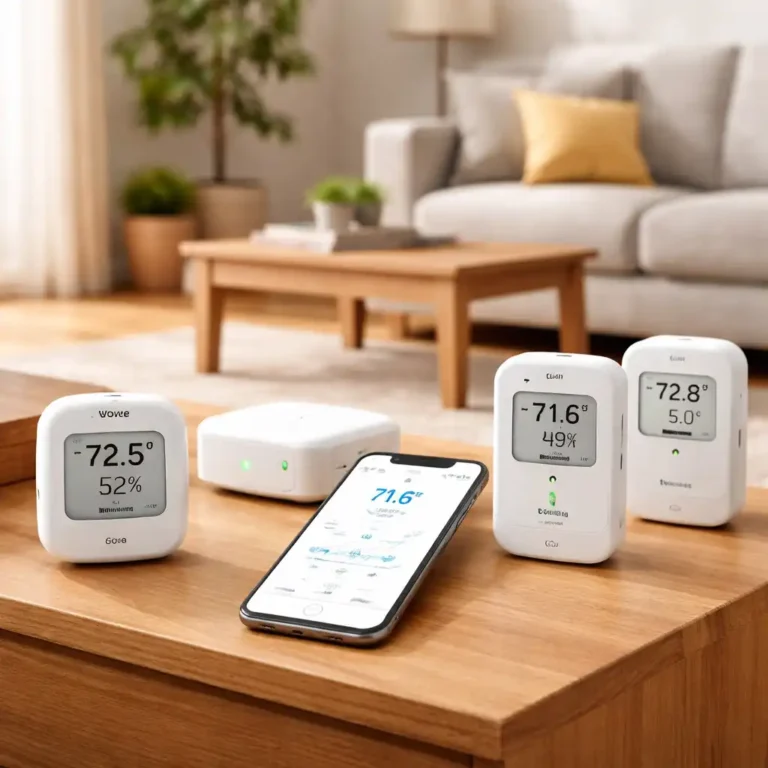
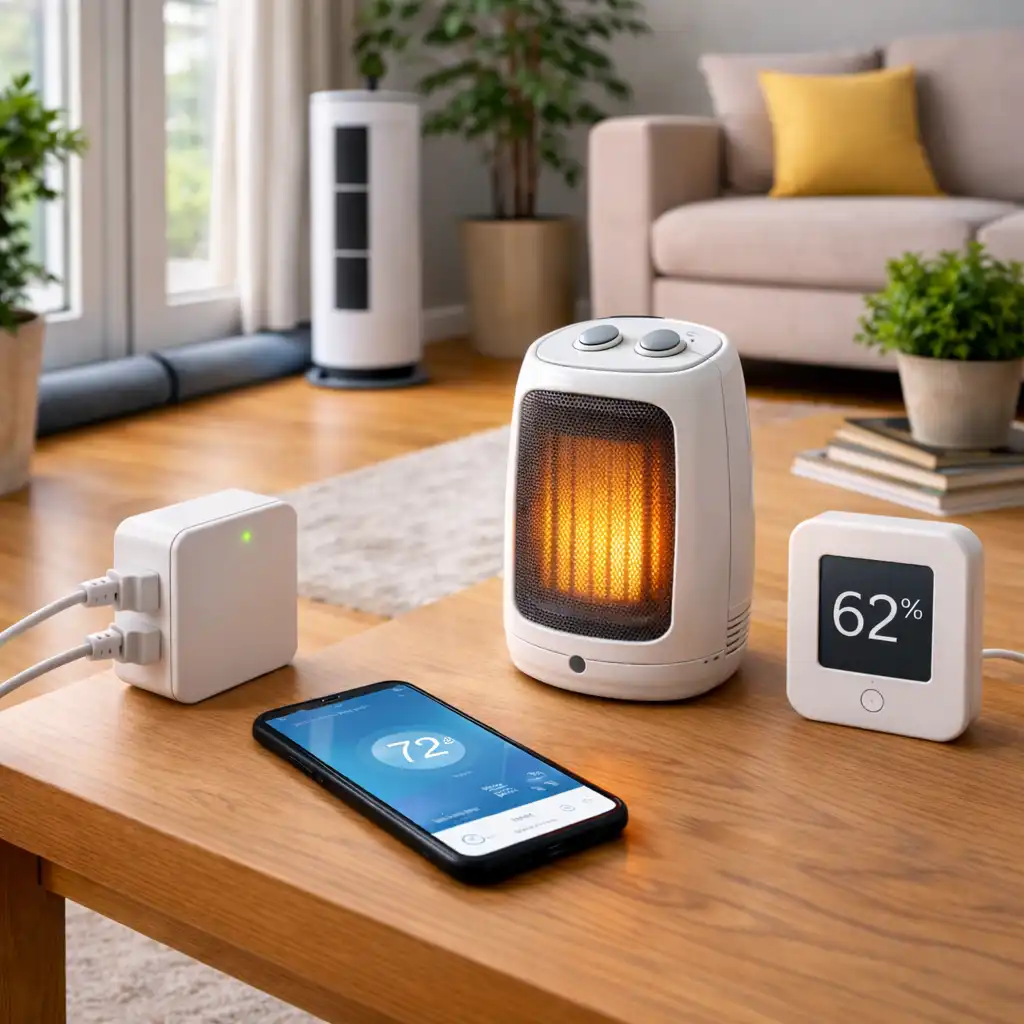
Many renters assume one setting works everywhere and end up chasing comfort room by room. Without temperature sensors, it’s mostly guesswork.
Sensors remove that guesswork and let devices respond to real conditions instead.
🔍 Running Devices at Full Power All the Time
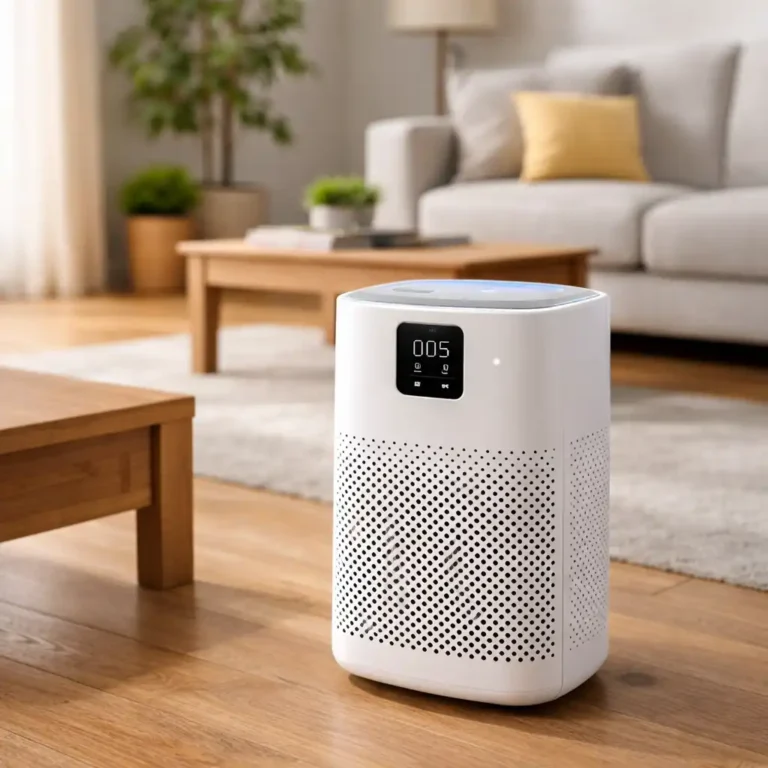
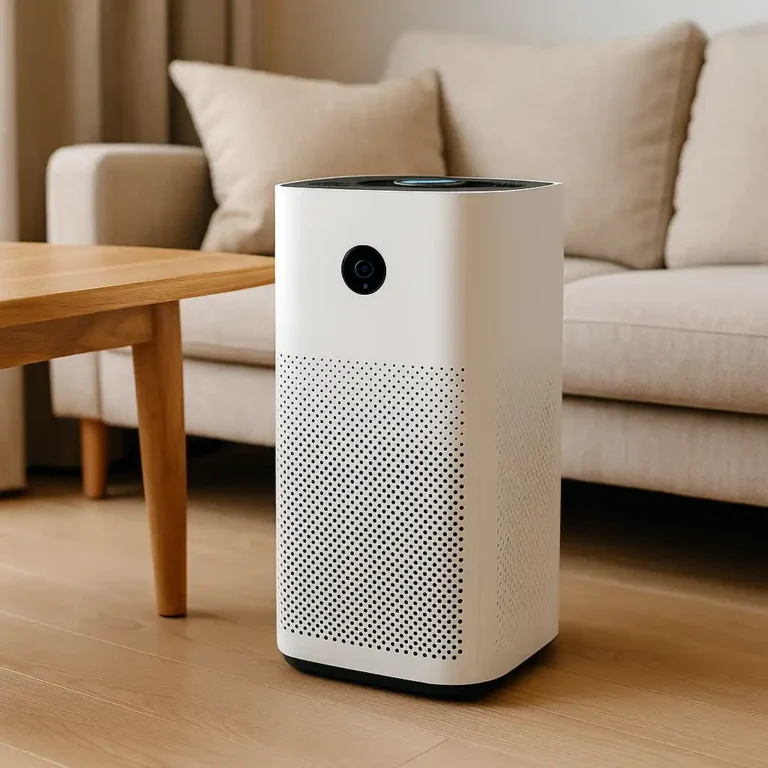
Leaving heaters, fans, or air purifiers running at full power around the clock is another common mistake. It increases electricity use without improving comfort.
Most smart climate devices work best on lower or automatic settings. Full power usually makes sense only for short periods, like after cooking or during a cold snap.
Smarter scheduling leads to better comfort with less energy waste.
🔍 Overcomplicating Automations Too Early
It’s tempting to build complex automations right away. The problem is that complicated setups often break or behave unpredictably.
When automations fail, devices may run at the wrong time—or not run at all. That quickly becomes frustrating.
Starting with simple schedules and basic rules is usually more reliable, especially in rentals.
🔍 Forgetting About Safety Limits
Smart features don’t replace basic safety rules. One serious mistake is ignoring wattage limits on smart plugs or using extension cords with heaters.
Another issue is placing heaters too close to furniture, curtains, or bedding. No automation can prevent physical hazards.
For renters, safety should always come before convenience.
🔍 Expecting Smart Devices to Fix Structural Problems
Smart climate devices improve comfort, but they can’t fix poor insulation, drafty windows, or building design flaws.
Some renters expect devices to compensate for serious heat loss or ventilation problems. That usually leads to disappointment and wasted money.
Combining smart tools with simple physical fixes—like thermal curtains or draft blockers—works far better.
📌 Key Takeaways
- Don’t rely solely on the apartment thermostat
- Use smart plugs only with compatible devices
- Temperature sensors reduce guesswork
- Full power isn’t always better for comfort
- Simple automations are more reliable
- Safety and placement matter more than features
🟢 FAQs
Q: Are smart climate devices worth it for renters?
Yes. When used correctly, they can significantly improve comfort without permanent changes.
Q: What’s the most common smart climate mistake renters make?
Using smart plugs with heaters or fans that don’t restart automatically.
Q: Should renters avoid automation altogether?
No. Automation works best when kept simple and tested gradually.
Q: Can smart devices reduce energy waste in rentals?
Yes, especially when paired with schedules, sensors, and proper usage.
✅ Conclusion
Smart climate devices can make apartment living far more comfortable, but only when they’re used thoughtfully. By avoiding common mistakes—like incompatible devices, overcomplicated automations, and ignoring safety—renters can build a setup that’s efficient, safe, and fully renter-friendly.