Are All LED Light Strips Compatible? A Renter-Friendly Guide
Last Updated: December 2025
LED light strips are one of the easiest ways to make an apartment feel cozy, but not all of them play nicely together. What looks like a simple plug-and-connect setup can get confusing fast once you mix different voltages, connector styles, or brands. A little background knowledge goes a long way in avoiding flickering sections, uneven brightness, or strips that refuse to turn on.
👉 For a clear breakdown of renter-friendly lighting setups and simple no-drill options, check out this practical apartment lighting guide: Explore renter-friendly smart lighting
🔍 What “Compatibility” Really Means With LED Light Strips
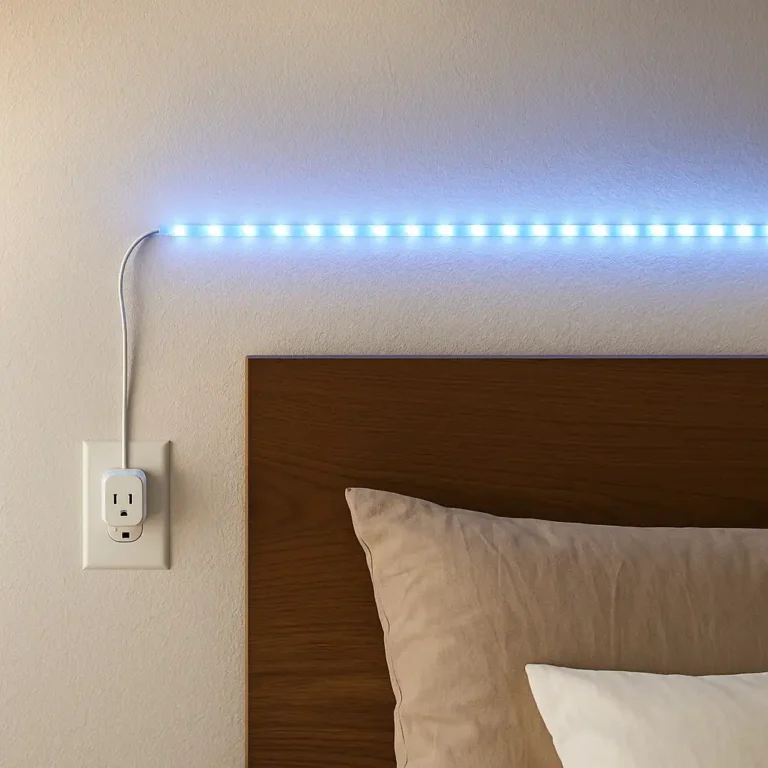
When LED strips work together, it’s because the internal pieces all match—voltage, pin layout, connectors, LED chip type, and the controller that ties everything together. Even small variations can throw off color accuracy or stability. For renters, adhesive style matters too. Some strips pull off cleanly, while others can take paint with them, which is why many people double-check wall-safe options before installing. If you want a quick refresher, here’s a helpful look at how strips interact with painted surfaces: read more about protecting apartment walls.
🔍 Voltage Differences (12V vs. 24V Strips)
Voltage is the first thing to confirm. Most strips run on 12V or 24V, and mixing them is almost guaranteed to cause problems. Too much voltage can burn out LEDs, while too little leaves them dim. Even if the connectors match, the strip and the power supply must use the same voltage.
🔍 Connector and Pin Layout Mismatches
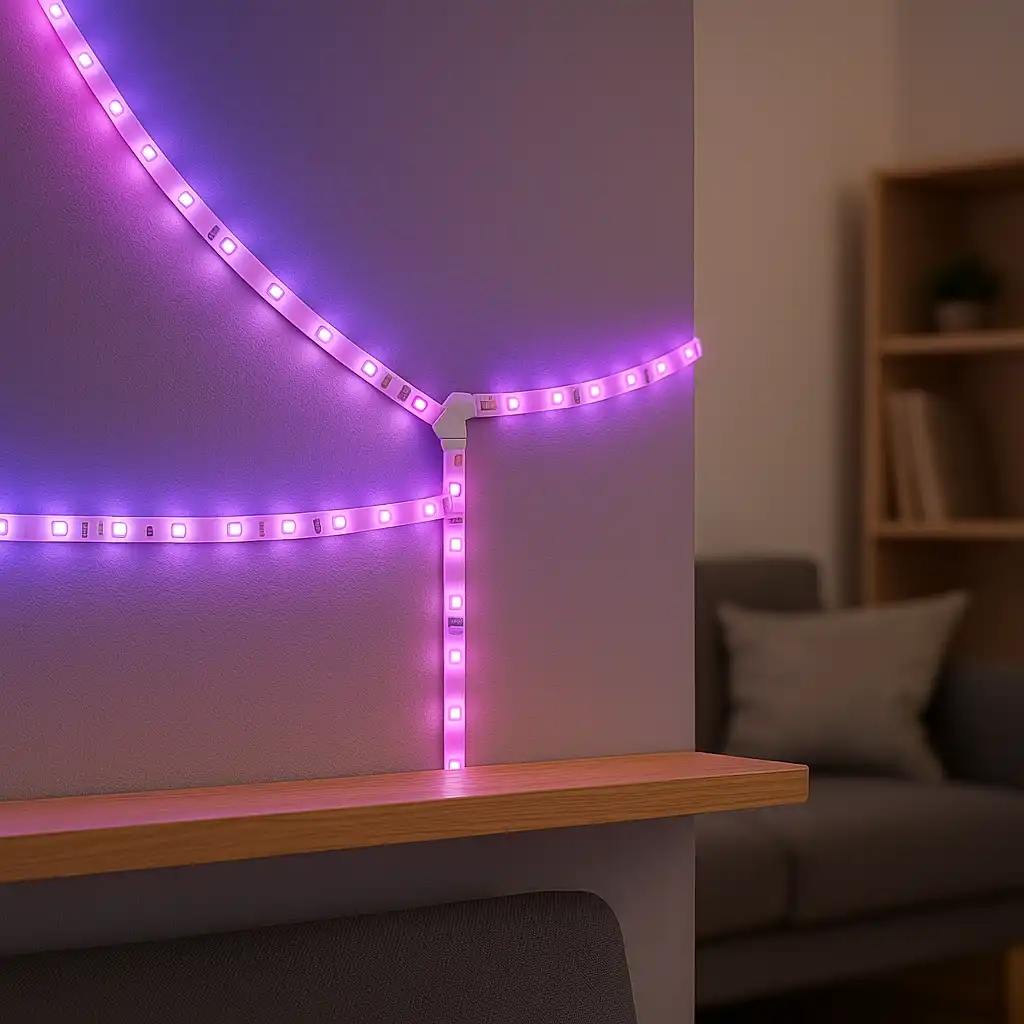
Connectors are another easy way things go wrong. Single-color strips may use two pins, while RGB versions might use three or four. Each brand arranges its pins differently, so even a connector that “fits” might not line up correctly. When that happens, you’ll see odd colors, flickering segments, or no response at all.
🔍 Smart LED Strips Aren’t Cross-Compatible Either
Smart strips add more complexity. They may run over Wi-Fi, Bluetooth, Zigbee, or Matter, and each brand builds its own controller system. A Govee strip won’t sync with a Philips Hue controller, and generic RGB remotes won’t drive addressable LEDs. If you want everything to dim or change color together, staying within one ecosystem is usually the easiest path.
🔍 Do Extension Strips Work Across Different Brands?
Extensions rarely work between brands, even if the connectors appear similar. Extensions need identical LED spacing, pin layout, chip type, and voltage. A tiny mismatch can disrupt color accuracy or brightness. If you plan to expand your lighting later, choose a brand that offers clear, compatible add-on kits.
🔍 Compatibility With Adhesives and Wall Safety
Adhesives vary widely. Some strips come with strong backing meant for permanent installs, while renter-friendly versions use lighter adhesive or removable clips. Because brands handle this differently, you can’t assume an extension uses the same backing as the main strip. The safest approach for renters is choosing strips designed for clean removal.
🔍 When LED Strips Are Actually Compatible
You’ll have the smoothest experience when everything comes from the same brand family. That usually means matching voltage, identical connectors, the same LED chip style, and a controller designed to support extensions. Brands like Govee, Nanoleaf, and Philips Hue make compatibility easier by labeling their extension kits clearly.
📌 Key Takeaways
- LED strips aren’t universal, even if they look similar
- Voltage, connectors, and chip types all need to match
- Smart strips depend heavily on their brand’s controller and ecosystem
- Extensions work best when they come from the same manufacturer
- Adhesive type is important for avoiding wall damage in rentals
🟢 FAQs
Q: Can I connect two different LED strip brands together?
Usually no. Voltage, wiring, and controller differences make cross-brand setups unreliable.
Q: If two strips both say RGB, are they compatible?
Not automatically. RGB describes the color capability, not wiring layout or chip behavior.
Q: Can smart LED strips from different brands sync together?
They may sync through a voice assistant, but they won’t function when physically connected.
Q: Is it safe to mix voltage types if the connectors fit?
No. Even if a connector fits, mismatched voltage can damage the strip or the power supply.
✅ Conclusion
LED strips aren’t designed to be mixed and matched, and true compatibility depends on voltage, connectors, chip type, and the smart-home system behind them. For renters, choosing one brand usually leads to the easiest, most reliable setup—and makes removal far simpler when it’s time to move out.