Are Smart Plugs Safe for Apartments? What Renters Should Know
Last Updated: December 2025
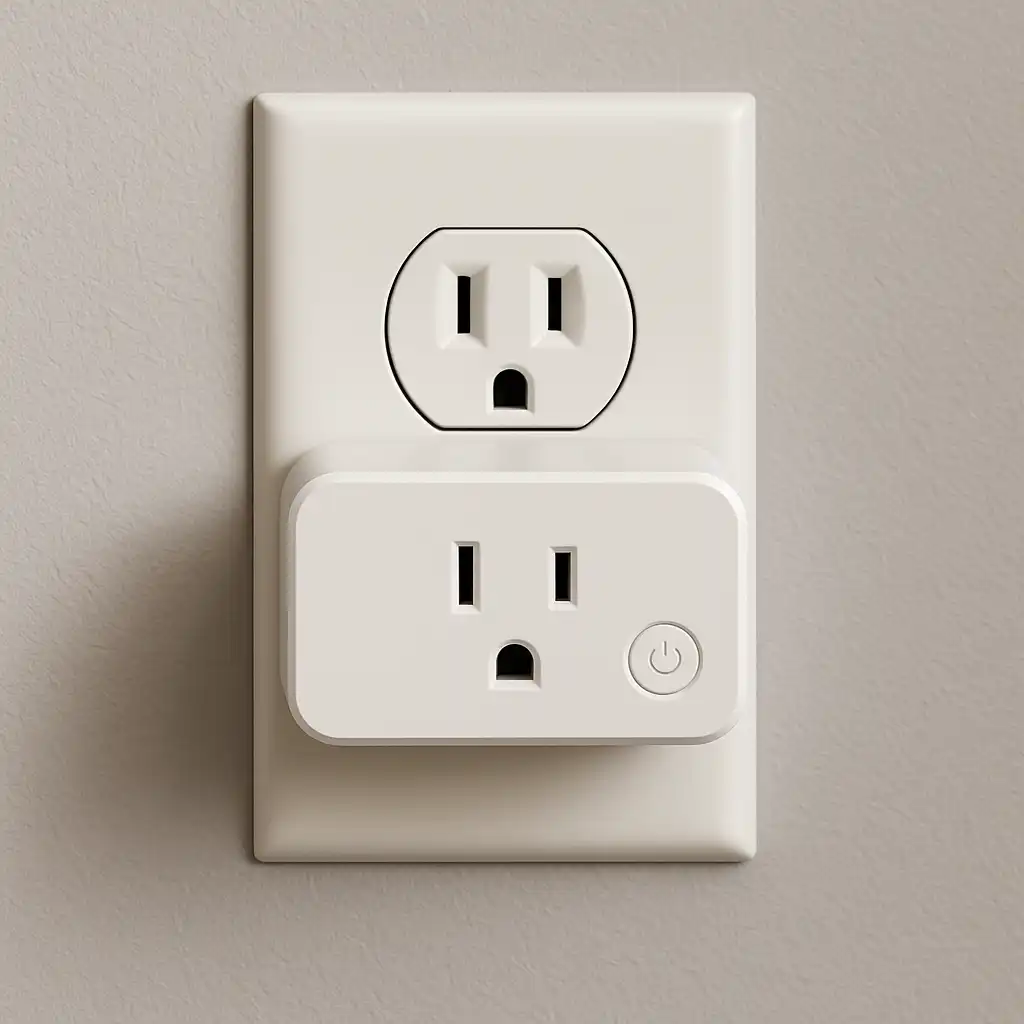
Smart plugs are one of the simplest smart home upgrades renters can make. They plug into existing wall outlets, don’t require drilling or rewiring, and can be removed instantly when it’s time to move out. Even so, many renters hesitate before using them, unsure whether smart plugs are actually safe, allowed under lease rules, or something a landlord might object to.
👉 If you want a clearer, beginner-friendly explanation of how smart plugs are commonly used in apartments, where renters place them, and what to consider before buying, this practical guide to using smart plugs in rental homes walks through the basics in plain language: learn how renters use smart plugs safely
🔍 Why Renters Worry About Using Smart Plugs
Most rental agreements are strict about permanent changes, electrical modifications, or anything that could damage outlets or wiring. Because smart plugs connect directly to wall outlets, renters often assume they fall into a gray area.
Common worries include breaking lease rules, overloading outlets, causing electrical damage, or running into issues during move-out inspections. These concerns are especially common in older apartments or buildings with shared circuits.
In real-world rentals, though, smart plugs are usually treated very differently from hardwired smart devices.
🔍 Are Smart Plugs Considered Permanent Modifications?
In most apartments, smart plugs aren’t considered permanent modifications. They plug into standard outlets and can be removed without leaving marks, damage, or wiring changes.
Unlike smart switches or built-in outlets, smart plugs don’t require tools or electrical work. They don’t alter the outlet itself and can be unplugged in seconds. Because of that, landlords generally view them the same way they view lamps, phone chargers, or other everyday plug-in electronics.
🔍 What Lease Agreements Usually Say
Most leases don’t mention smart plugs specifically. Instead, they focus on broader rules around alterations, wiring, and electrical safety.
Lease language typically allows plug-in household electronics, temporary devices that don’t modify the unit, and normal residential electrical use. Restrictions usually apply to drilling, rewiring, or replacing fixtures—none of which smart plugs require.
That’s why smart plugs usually fall well within standard lease allowances.
🔍 Safety and Outlet Rules Renters Should Follow
Even when smart plugs are allowed, renters are still responsible for using them safely. That means paying attention to outlet limits, ventilation, and which devices are appropriate to automate. Most problems don’t come from the plug itself, but from putting too many devices on the same circuit.
If you plan to use several smart plugs in one room, understanding how many smart plugs renters can safely use on a single circuit can help prevent overloads and unexpected breaker trips, especially in older apartments.
To stay within normal apartment safety expectations:
- Use smart plugs only with standard household devices
- Avoid plugging them into power strips or adapters
- Check the plug’s amperage rating before use
- Keep outlets clear and well ventilated
When used correctly, smart plugs rarely cause issues with landlords, inspections, or apartment wiring.
🔍 When Smart Plugs Might Not Be Allowed
While smart plugs are usually permitted, there are situations where renters should slow down and double-check.
This can include older buildings with limited electrical capacity, leases with unusually detailed equipment rules, or buildings with strict fire or safety codes. Using smart plugs with high-power appliances like space heaters can also raise concerns.
These cases aren’t common, but they’re worth keeping in mind if you plan to use multiple plugs or automate heavier devices.
🔍 Should You Ask Your Landlord First?
For most renters, asking permission isn’t necessary for basic smart plug use. Since they’re removable and non-permanent, they usually fall under normal appliance use.
It may be worth asking if you plan to use several smart plugs on the same circuit, live in an older apartment, or have a lease with very specific electrical language. In most cases, a quick clarification is about peace of mind, not permission.
📌 Key Takeaways
- Smart plugs are usually allowed in rental apartments
- They’re not considered permanent modifications
- Most leases allow plug-in smart devices
- Safe usage matters more than brand or price
- High-power appliances require extra caution
🟢 FAQs
Q: Are smart plugs legal to use in rental apartments?
Yes. In most cases, smart plugs are legal and treated like standard plug-in electronics.
Q: Can landlords ban smart plugs?
It’s uncommon, but a landlord may restrict them in buildings with specific electrical or safety concerns.
Q: Do smart plugs damage outlets?
No. When used properly and within rated limits, they don’t damage outlets or wiring.
Q: Should smart plugs be removed before moving out?
Yes. Like lamps or other electronics, they should be unplugged before inspections.
✅ Conclusion
Smart plugs are generally safe for apartments because they don’t alter wiring or fixtures. As long as renters use them responsibly and avoid high-power appliances, smart plugs remain an easy, removable upgrade. For most rentals, they offer a simple way to add automation and convenience without risking lease violations or a security deposit.