Best Smart Space Heaters for Renters: Safe, Portable Heating Without Installation
Last Updated: December 2025
Cold apartments are a familiar issue for renters, especially in buildings with uneven heating or limited thermostat control. When you can’t upgrade the heating system or install anything permanent, smart space heaters are one of the easiest ways to stay comfortable without breaking lease rules.
This guide explains what makes the best smart space heaters for renters, when they actually make sense in apartments, and how to use them safely. Everything here focuses on plug-in, no-drill options that work in real rental spaces.
👉 If you’re planning broader comfort upgrades, this guide to smart climate control for renters explains how heating, cooling, and air quality tools can work together without permanent changes.
💰 Check Price & Availability
View on Amazon – FLANUR 29″ Smart Tower Space Heater
View on Amazon – FLANUR 16″ Compact Smart Space Heater
View on Amazon – Dreo Portable Space Heater
📋 Quick-View Comparison List
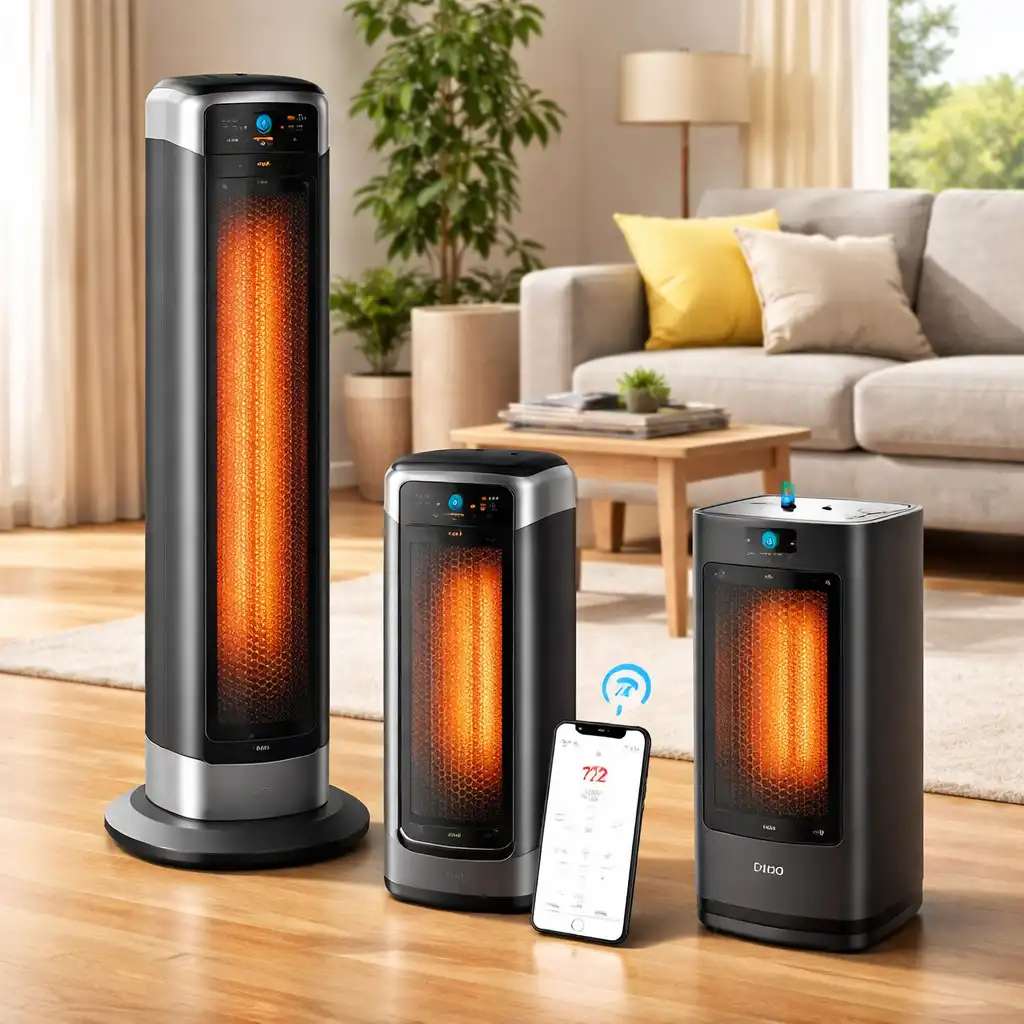
- Best Overall Smart Space Heater for Renters: FLANUR 29″ Smart Tower Space Heater
- Best Compact Smart Space Heater for Apartments: FLANUR 16″ Compact Smart Space Heater
- Most Popular Smart Space Heater for Renters: Dreo Portable Space Heater
🔍 What Makes a Smart Space Heater Renter-Friendly
For renters, a space heater needs to be easy to set up and just as easy to remove later. That means no wiring, no wall mounting, and no changes to the apartment’s heating system.
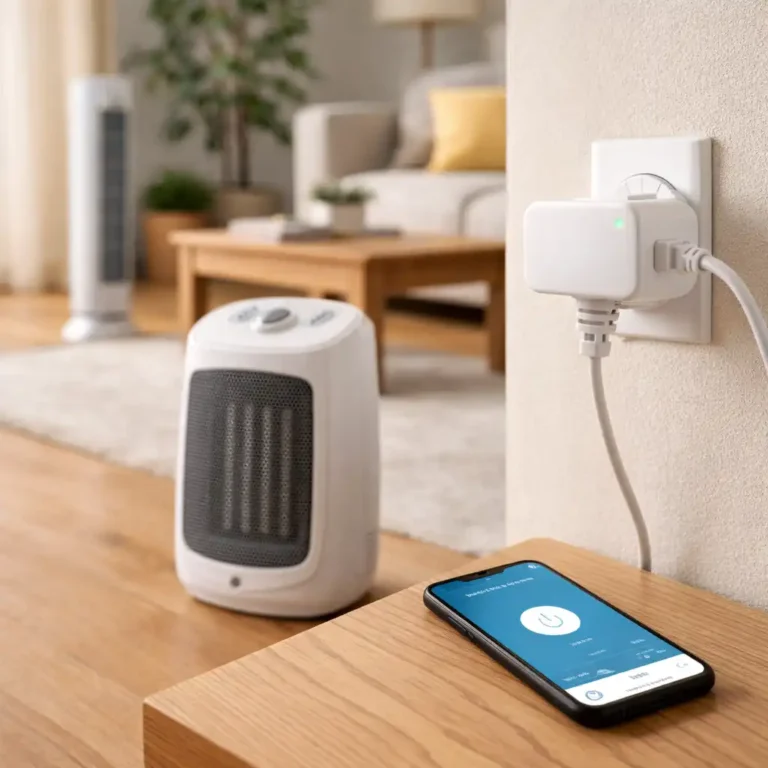
The most renter-friendly heaters plug into standard outlets and rely on app control, timers, or remotes instead of wall thermostats. That’s especially useful in apartments where you don’t control central heating.
Portability matters too. A heater you can move between rooms—or pack up easily when you relocate—fits rental life far better than fixed heating solutions.
🔍 Smart Controls vs Traditional Space Heaters
Traditional space heaters rely on manual dials and switches. Smart space heaters add scheduling, app control, and sometimes voice control, which makes daily use easier in apartments.
Being able to turn a heater off remotely or schedule it to run only when needed helps avoid overheating and wasted electricity. Many renters find this especially helpful overnight or during early mornings.
That said, “smart” doesn’t have to mean complicated. Most renter-friendly models connect to WiFi quickly and work just fine without advanced automation.
🔍 Safety Features Renters Should Prioritize
Safety matters even more in rentals where space is limited and rooms are often shared. Tip-over protection and automatic shutoff should be considered essential for apartment use.
Overheat protection is also important, especially if you plan to run a heater for longer periods. Many modern smart heaters include sensors that shut the unit down if temperatures rise too high.
Stable bases and enclosed heating elements help reduce risk in smaller rooms, which is a big plus for renters with pets, kids, or tight layouts.
🔍 Energy Use and Electricity Costs in Apartments
Smart space heaters don’t replace central heating, but they can make cold rooms more comfortable. How much energy they use depends on how long they run and how well they’re scheduled.
Using timers or ECO-style modes helps limit unnecessary power use. Many renters rely on heaters to warm a single room instead of raising the temperature across the entire apartment.
If your building controls the main heating system, targeted heating like this is often more practical than trying to adjust settings you don’t control.
🔍 Where Smart Space Heaters Work Best in Rentals
Smart space heaters tend to work best in bedrooms, home offices, and living rooms where temperatures drop overnight or early in the morning.
They’re especially helpful in older apartments with drafts or rooms that don’t match the main thermostat reading. In these situations, a small heater can noticeably improve comfort without changing anything permanently.
Studios and smaller apartments benefit too, since one heater can often handle the main living area without running constantly.
🔍 When Smart Space Heaters Aren’t the Right Solution
Smart space heaters aren’t ideal for every rental. They’re not designed to heat entire apartments or replace broken central systems.
If your apartment already overheats or has strict rules around electrical devices, a heater may not be allowed. Checking your lease or building policies first can save frustration later.
In some cases, improving airflow or combining a heater with other renter-safe solutions works better than relying on heat alone.
📌 Key Takeaways
- Smart space heaters add renter-friendly warmth without installation
- Plug-in designs avoid lease and wiring issues
- Safety features matter more in apartments
- Smart scheduling helps manage electricity use
- Heaters work best as room-by-room solutions
🟢 FAQs
Q: Are smart space heaters allowed in rental apartments?
In most cases, yes. Portable heaters are usually allowed, especially models with modern safety features.
Q: Do smart space heaters use a lot of electricity?
They can if run nonstop, but timers and scheduling help reduce unnecessary usage.
Q: Can a smart space heater replace central heating?
No. They’re best used as supplemental heating for specific rooms.
Q: What’s the safest option for renters?
Models with tip-over protection, overheat shutoff, and stable bases are generally the safest choice.
✅ Conclusion
The best smart space heaters for renters focus on portability, safety, and simple control rather than permanent upgrades. When used correctly, they’re an easy way to stay warm in apartments with limited heating control. Choosing a plug-in model with smart scheduling and strong safety features helps improve comfort without risking your lease or security deposit.