Do Smart Plugs Increase Electricity Bills? What Renters Should Know
Last Updated: December 2025
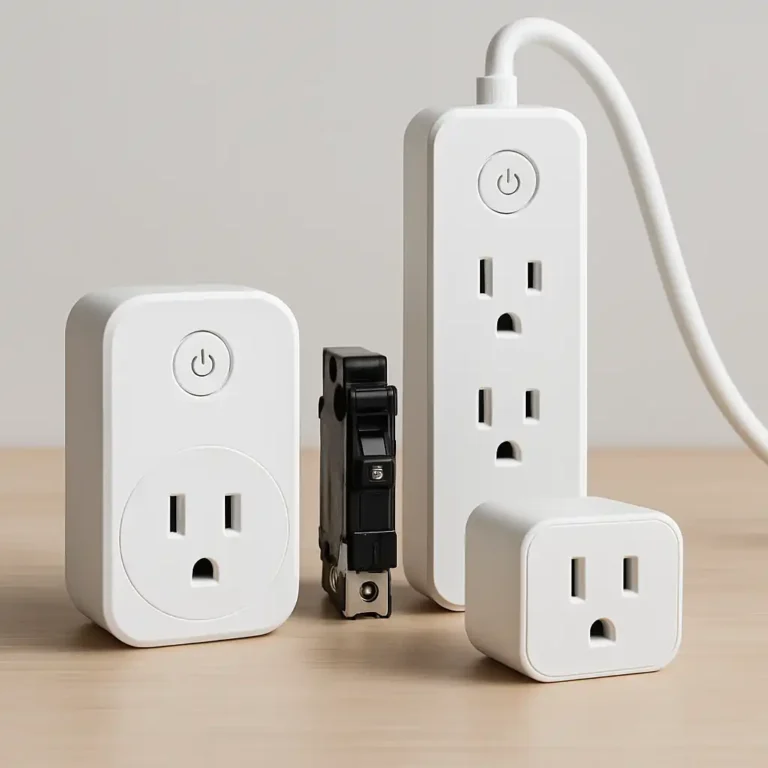
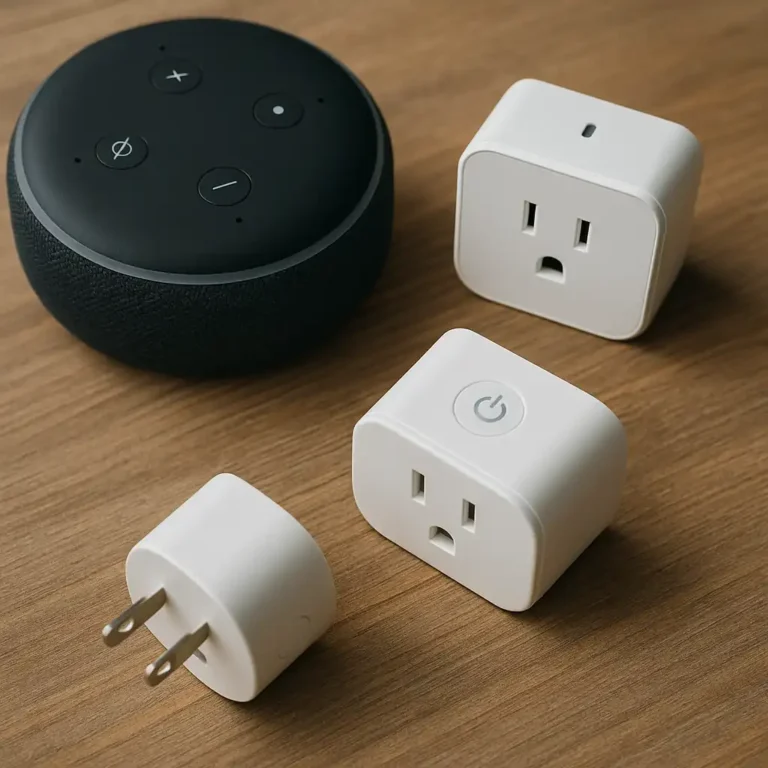
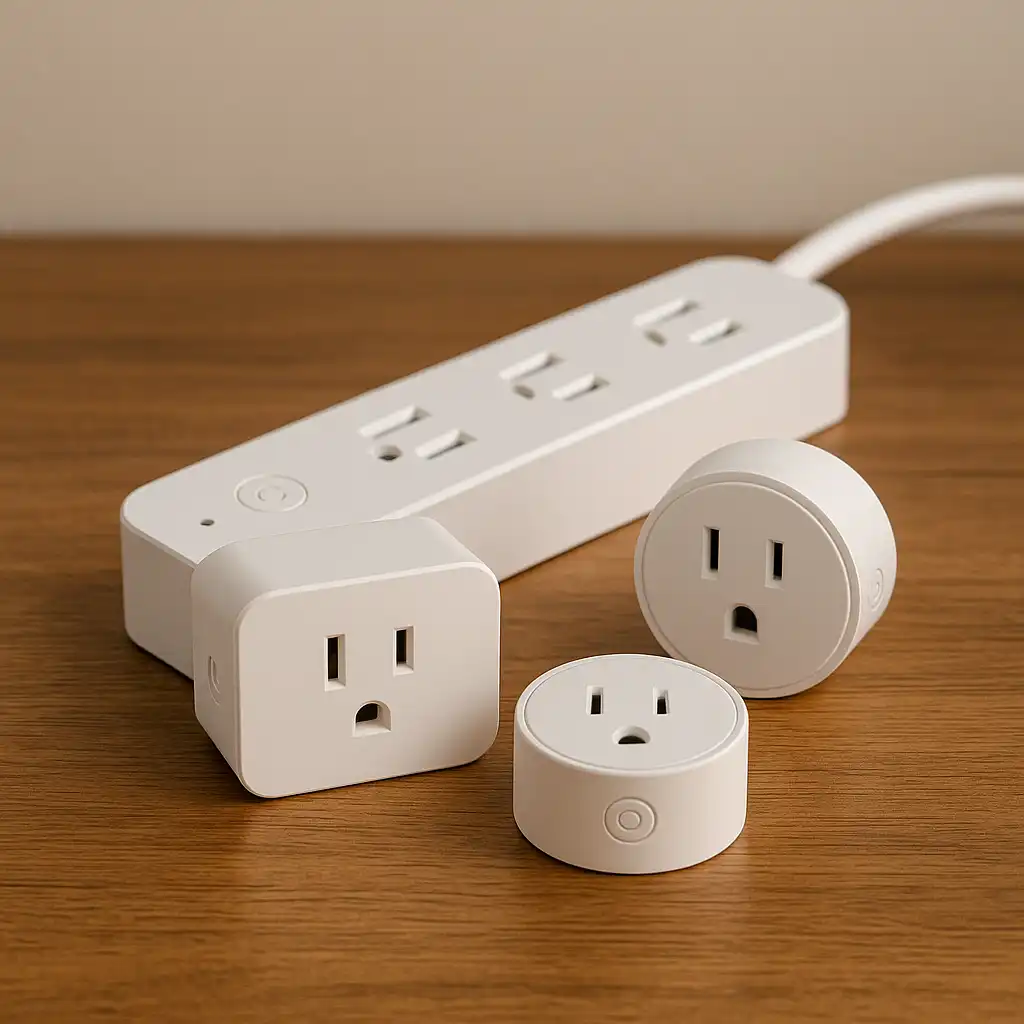
Smart plugs are often advertised as energy-saving tools, but many renters worry they could actually increase electricity bills instead. Since smart plugs stay powered and connected in the background, it’s reasonable to ask whether that constant connection adds noticeable cost over time.
Understanding how smart plugs actually use electricity—and where real savings come from—helps renters decide whether they make sense in an apartment.
👉 If you’re new to smart plugs or want a renter-friendly overview of how they’re typically used, this practical guide to using smart plugs in rental homes walks through the basics before getting into costs and efficiency.
🔍 Do Smart Plugs Use Electricity Themselves?
Yes, smart plugs use a small amount of electricity to stay connected and responsive. This is often called standby or “vampire” power.
In real-world use, that draw is very low. Over a full month, most smart plugs use only a tiny amount of electricity—often costing just a few cents, even when left plugged in all the time.
🔍 Why Smart Plugs Usually Don’t Raise Power Bills
While smart plugs do consume a small amount of power, they’re designed to help manage devices that already use electricity.
Most savings come from:
- Turning off electronics that sit in standby mode all day
- Automatically shutting devices off when they’re not needed
- Spotting appliances that quietly use more power than expected
In many apartments, these changes easily outweigh the smart plug’s own energy use.
🔍 When Smart Plugs Could Increase Electricity Use
Smart plugs can slightly increase electricity use if they’re added without changing habits. Automating devices that weren’t previously used often, or leaving electronics plugged in that used to stay unplugged, can raise overall consumption.
The key point is that smart plugs don’t save energy on their own—they make energy use easier to control.
For renters focused on cutting power waste, it also helps to know which smart plugs are designed to track usage and highlight unnecessary consumption, which is why many renters choose energy-monitoring smart plugs built for saving electricity in apartments rather than basic on/off models.
🔍 Energy Monitoring vs Basic Smart Plugs
Not all smart plugs offer the same features. Basic models simply turn devices on and off, while energy-monitoring plugs show real-time usage and longer-term patterns.
For renters concerned about electricity bills, energy-monitoring models usually provide more value by making consumption visible and easier to adjust.
🔍 Are Smart Plugs Worth It for Renters?
For most renters, smart plugs don’t noticeably increase electricity bills. When used to reduce standby power, automate schedules, or monitor high-use devices, they often help lower overall consumption.
Renters who use smart plugs purely for convenience may not see savings, but increases are rare and typically very small.
📌 Key Takeaways
- Smart plugs use a small amount of standby electricity
- Their power use is usually negligible on monthly bills
- Savings come from managing devices, not the plug itself
- Energy-monitoring models offer the most insight for renters
- Smart plugs reduce waste when used intentionally
🟢 FAQs
Q: Do smart plugs significantly raise electricity bills?
No. Their standby power use is minimal and usually costs only a few cents per month.
Q: Can smart plugs actually lower electricity bills?
Yes, when they’re used to shut off standby devices or automate power schedules.
Q: Are energy-monitoring smart plugs better for saving money?
Often, yes. They help renters see exactly where electricity is being used.
Q: Should renters unplug smart plugs when not in use?
It’s not required, but unplugging any device removes standby power entirely.
✅ Conclusion
Smart plugs don’t meaningfully increase electricity bills for renters. While they do use a small amount of standby power, that cost is usually offset by better control over everyday devices. When used thoughtfully, smart plugs are far more likely to help renters reduce wasted electricity than add to a monthly bill.