Smart Climate Control for Renters: Heating, Cooling & Air Quality
Last Updated: December 2025
Smart climate control plays a bigger role in rental comfort than many people realize. Apartments often come with uneven heating, limited thermostat access, or older systems renters aren’t allowed to modify. Over time, that can mean rooms that never feel quite right, higher energy bills, and air quality issues that slowly become part of daily life.
This hub brings together our most practical guides on heating, cooling, air quality, and renter-safe climate automation in one place. Everything here is written with apartment living in mind—no drilling, no rewiring, and no upgrades that could put your security deposit at risk. The goal is simple: better comfort using tools you can set up easily and take with you when it’s time to move.
🔍 Understanding Climate Control in Rental Apartments
Climate control works differently in rentals than it does in single-family homes. Many apartments rely on shared heating systems, locked thermostats, or aging HVAC setups that leave renters with very little direct control.
The guides below explain how apartment climate systems typically function and what renters can realistically manage on their own. That context makes it much easier to decide whether a smart thermostat or a workaround solution is the better fit for your space.
- Best Smart Thermostat for Renters
- Are Smart Thermostats Renter-Friendly?
- How to Control Heating in a Rental Without Replacing a Thermostat
These are a good place to start if you want to understand your options before investing in new devices.
🔍 Smart Thermostats, Temperature & Energy Savings
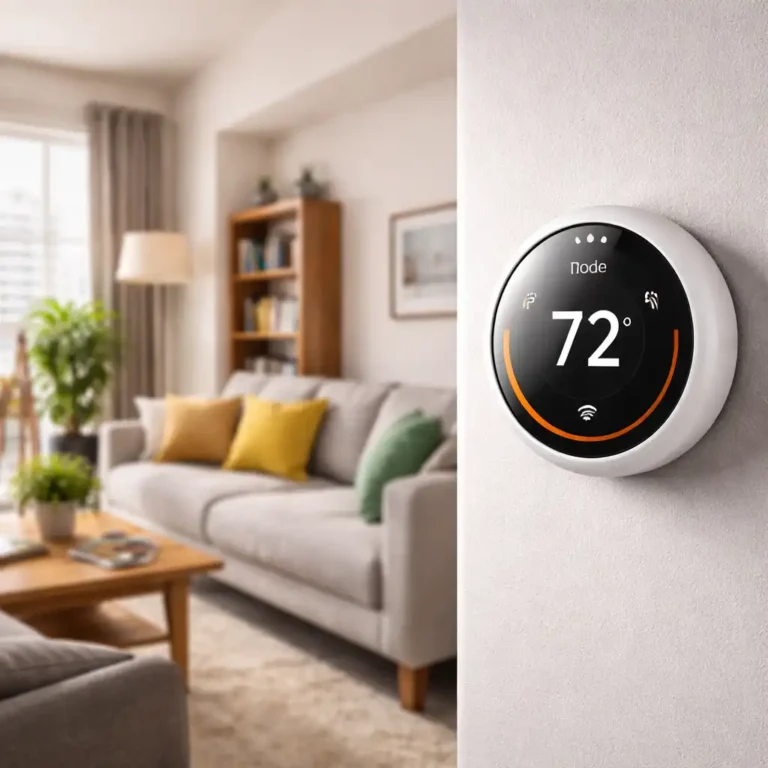
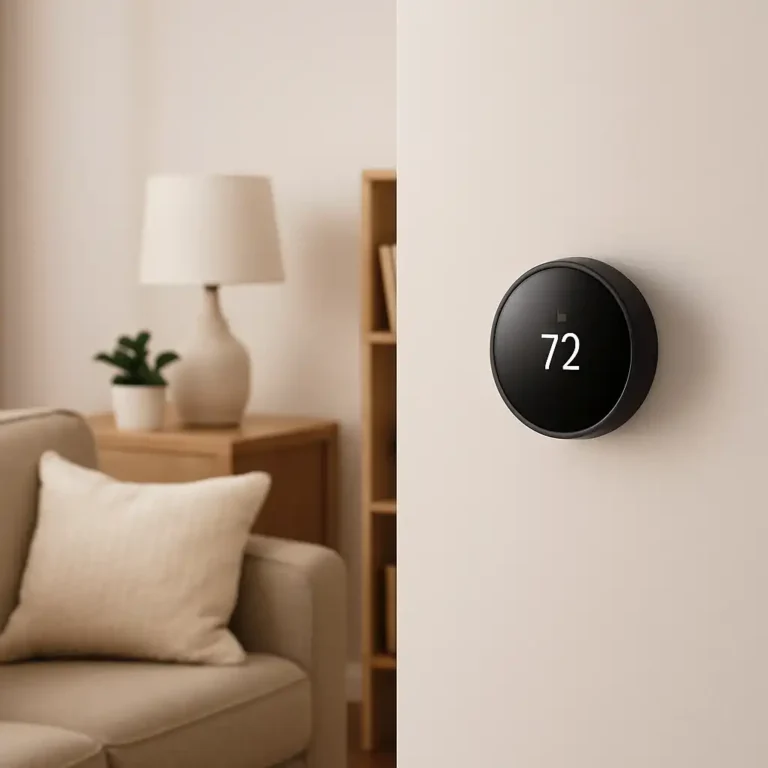
Smart thermostats can be useful in rentals, but they aren’t always the most practical solution. Whether they’re worth using depends on wiring access, lease rules, and how your building handles heating and cooling overall.
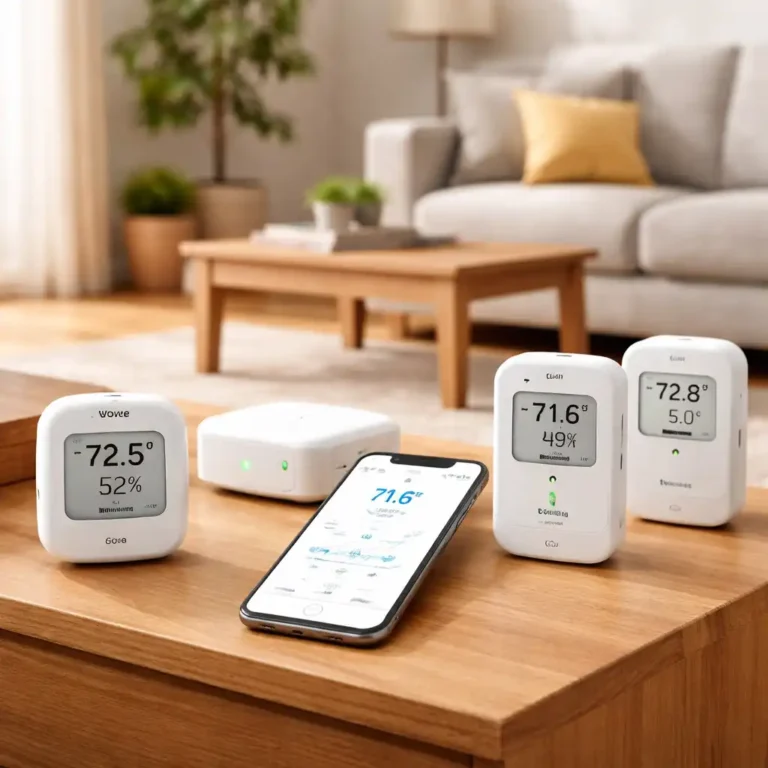
The articles below break down when smart thermostats actually save money and when simpler tools—like temperature sensors or automation—can deliver better results in apartments.
They’re especially helpful if your apartment has hot and cold spots or if the main thermostat doesn’t reflect how your rooms actually feel.
🔍 Cooling, Heating & Comfort Without Installation
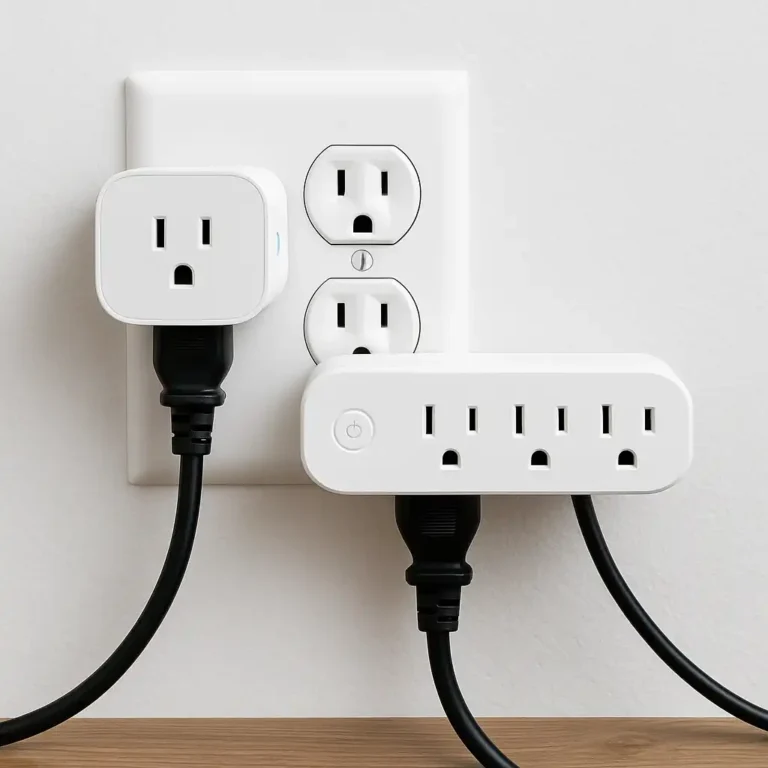
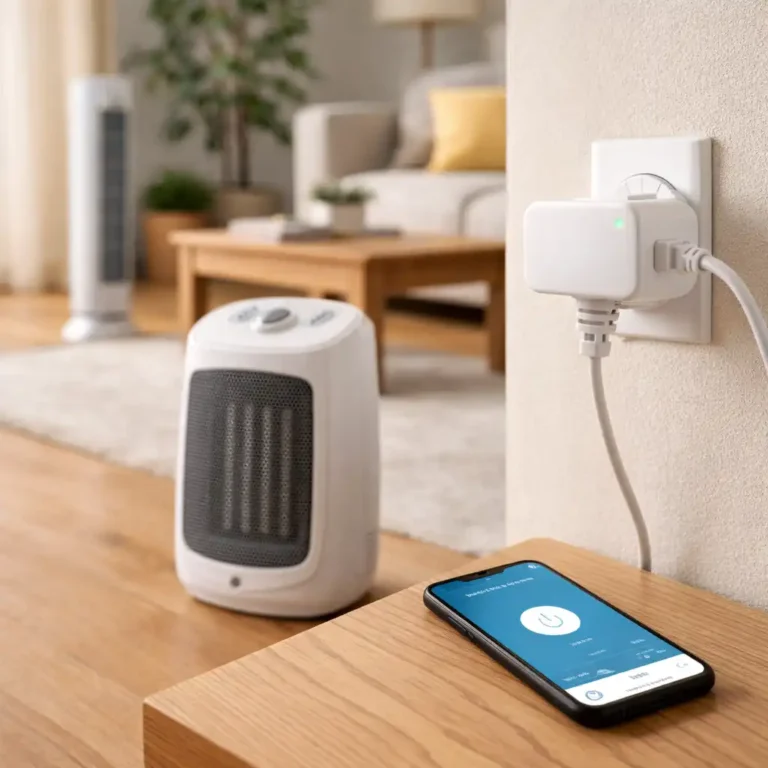
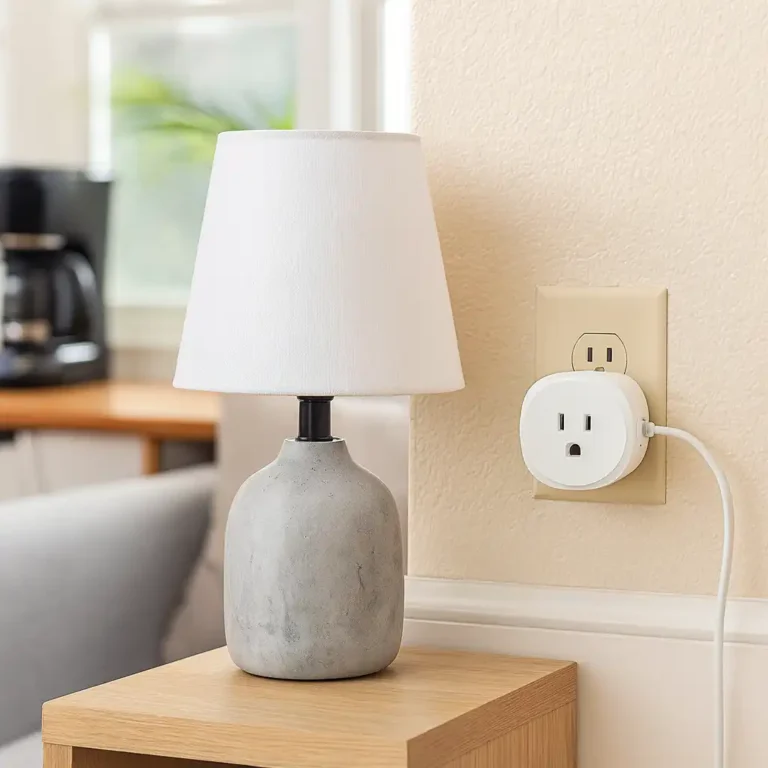
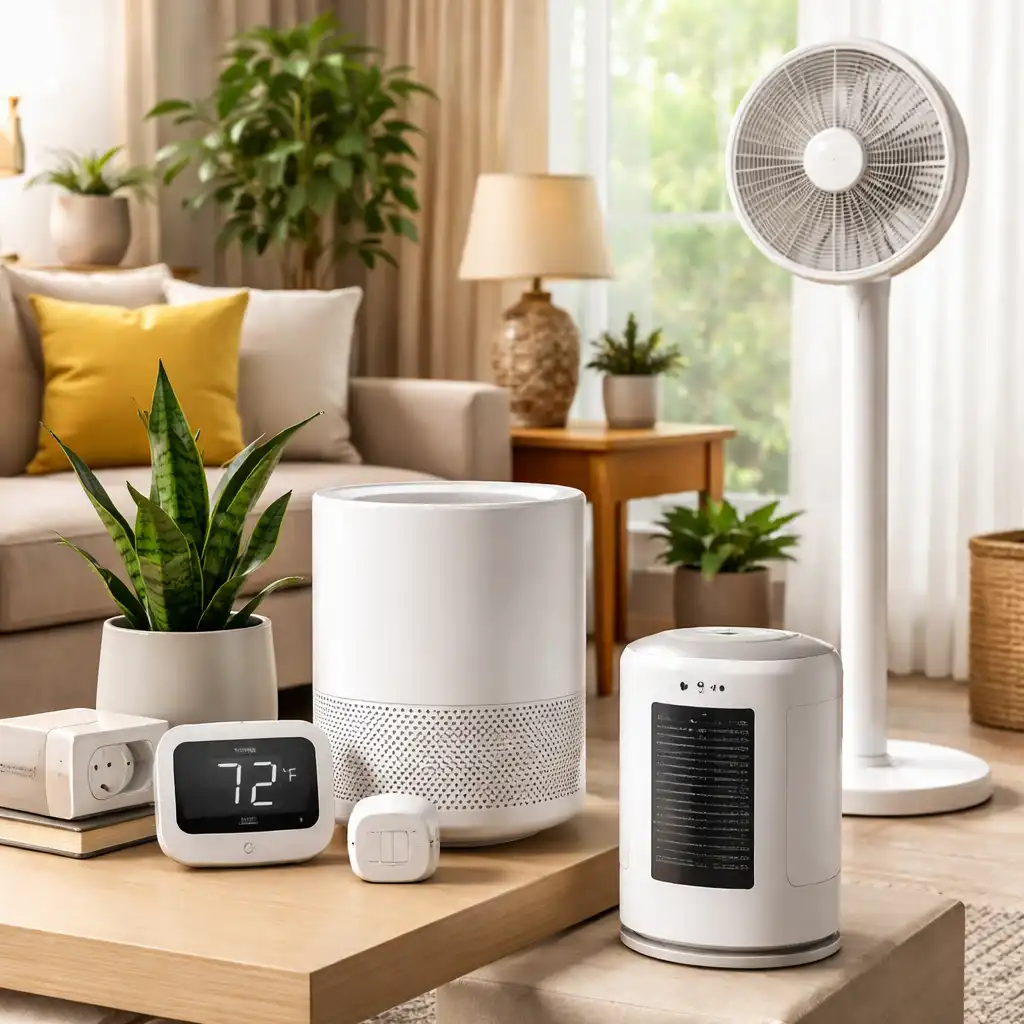
Most renters rely on portable solutions instead of built-in upgrades. Smart fans, space heaters, and plug-based automation can noticeably improve comfort without mounting anything or altering existing systems.
The guides below focus on renter-friendly ways to manage room temperature with minimal setup. That’s a big advantage if your apartment struggles with airflow, drafts, or uneven heating.
- Best Smart Fans for Renters
- Best Smart Space Heaters for Renters
- How to Automate Heating and Cooling with Smart Plugs
Many apartment dwellers find these options easier to live with—and much easier to move—than permanent climate upgrades.
🔍 Air Quality, Humidity & Apartment Health
Air quality is often overlooked in apartments, especially in smaller or older buildings. Dust, allergens, dry air, and excess humidity can quietly affect comfort, sleep, and overall health.
The guides below focus on improving indoor air quality using renter-safe devices that don’t require installation. They’re particularly useful in bedrooms, living rooms, and bathrooms where airflow tends to be limited.
- Best Smart Air Purifiers
- Do Smart Air Purifiers Use a Lot of Electricity?
- Smart Humidity Control for Apartments
Based on renter feedback, improving air quality often makes a bigger difference than temperature changes alone.
🔍 Common Climate Control Mistakes Renters Make
Not every smart climate upgrade works well in a rental. Some choices lead to higher bills, wasted energy, or safety concerns when they don’t account for apartment limitations.
This guide highlights common mistakes renters make when trying to improve comfort, helping you avoid setups that look good on paper but don’t work well in real apartments.
It’s especially useful if you’ve already tried a few fixes and still aren’t seeing the results you expected.
📌 Key Takeaways
- Climate control in rentals has limits, but there’s still a lot you can improve
- Smart thermostats aren’t always the best choice for apartments
- Portable fans and heaters offer flexibility without permanent changes
- Air quality and humidity are just as important as temperature
- Sensors and automation often deliver better results than major upgrades
🟢 FAQs
Q: Can renters really control heating and cooling without changing the thermostat?
Yes. Smart plugs, temperature sensors, fans, and heaters can noticeably improve comfort without replacing or modifying the thermostat.
Q: Are smart climate devices usually allowed in rental apartments?
Most plug-in and portable devices are allowed, but anything involving wiring or thermostat replacement may require permission.
Q: Do smart air purifiers noticeably increase electricity bills?
Usually not. Many modern air purifiers are designed to run efficiently, especially when used with schedules or automation.
Q: Is humidity control important in apartments?
Yes. Managing humidity helps reduce condensation, mold risk, and general air quality issues, particularly in smaller spaces.
✅ Conclusion
Smart climate control for renters isn’t about building a fully automated HVAC system. It’s about choosing practical, renter-safe tools that improve comfort, reduce energy waste, and make everyday apartment living feel better. Whether you’re trying to warm up a cold room, cool down during summer, or breathe cleaner air, this hub brings everything together so you can make confident choices without permanent changes.