Smart Humidity Control for Apartments (Renter-Friendly Guide)
Last Updated: December 2025
Humidity has a bigger impact on apartment comfort than most renters realize. Too much moisture can make rooms feel heavy, encourage mold, and aggravate allergies. Air that’s too dry can cause irritated sinuses, dry skin, and constant static—especially during winter.
The challenge for renters is control. You usually can’t modify ventilation or install whole-home systems. The good news is that smart, renter-friendly tools make it possible to manage humidity without drilling, wiring, or permanent changes.
👉 If you’re building a full renter-safe setup, this guide to smart climate control for renters shows how humidity, heating, and cooling work together in apartment spaces.
🔍 Why Humidity Is a Common Apartment Problem
Apartments tend to trap moisture more than houses. Smaller rooms, shared walls, and limited airflow all play a role.
Bathrooms and kitchens add moisture quickly, and even sleeping increases humidity overnight. Without strong ventilation, that moisture lingers.
Because renters can’t upgrade ducts or exhaust systems, humidity issues often last longer than they should.
🔍 Ideal Indoor Humidity Levels for Apartments
For most apartments, the sweet spot is 30% to 50% humidity. This range helps prevent mold while keeping the air comfortable to breathe.
In winter, heating systems often dry the air too much. In warmer months, humidity can spike due to poor airflow. These swings are common in rentals and hard to manage without tracking.
That’s why measuring humidity is the first step toward fixing it.
🔍 Using Smart Humidity Sensors
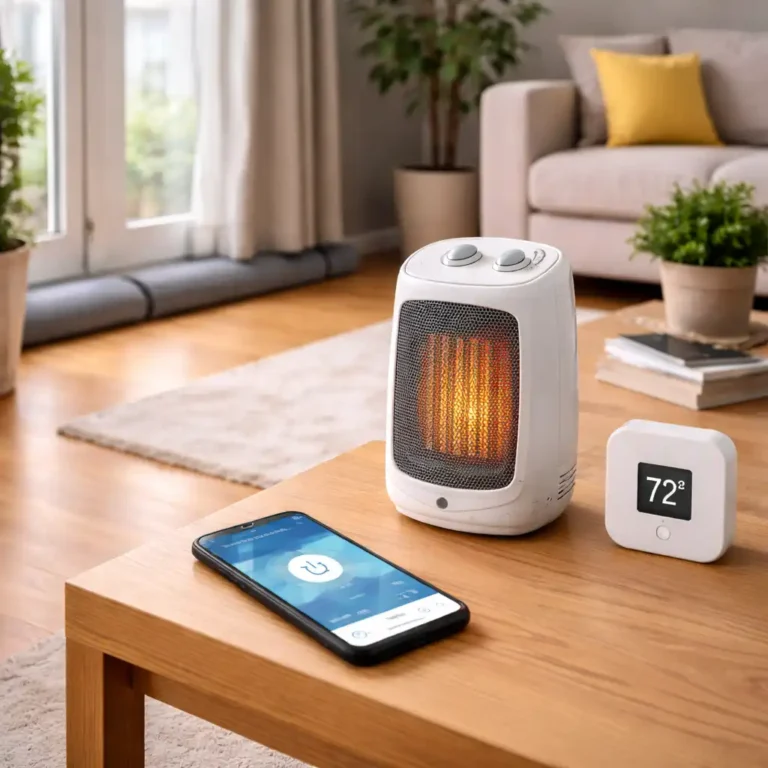
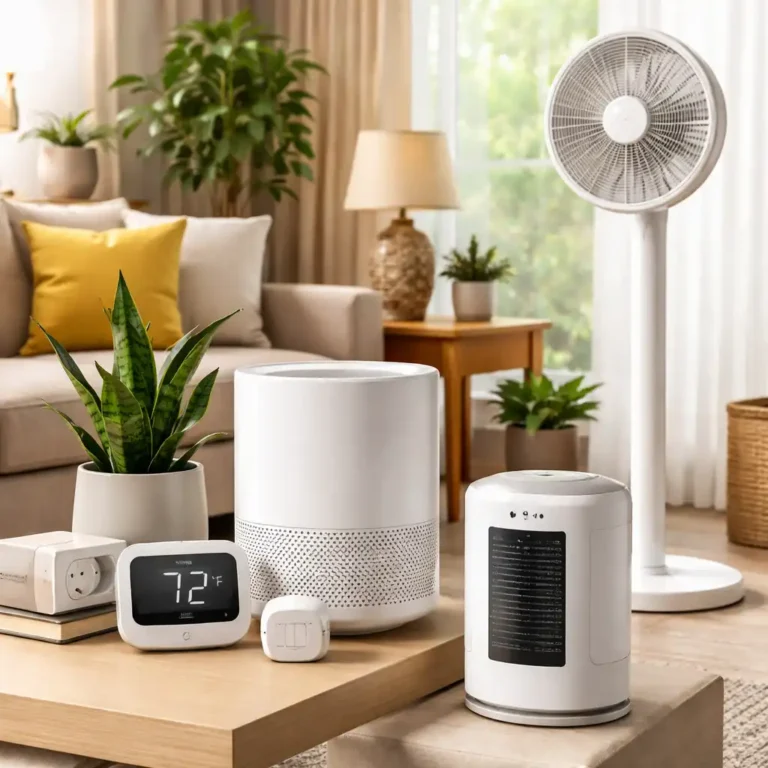
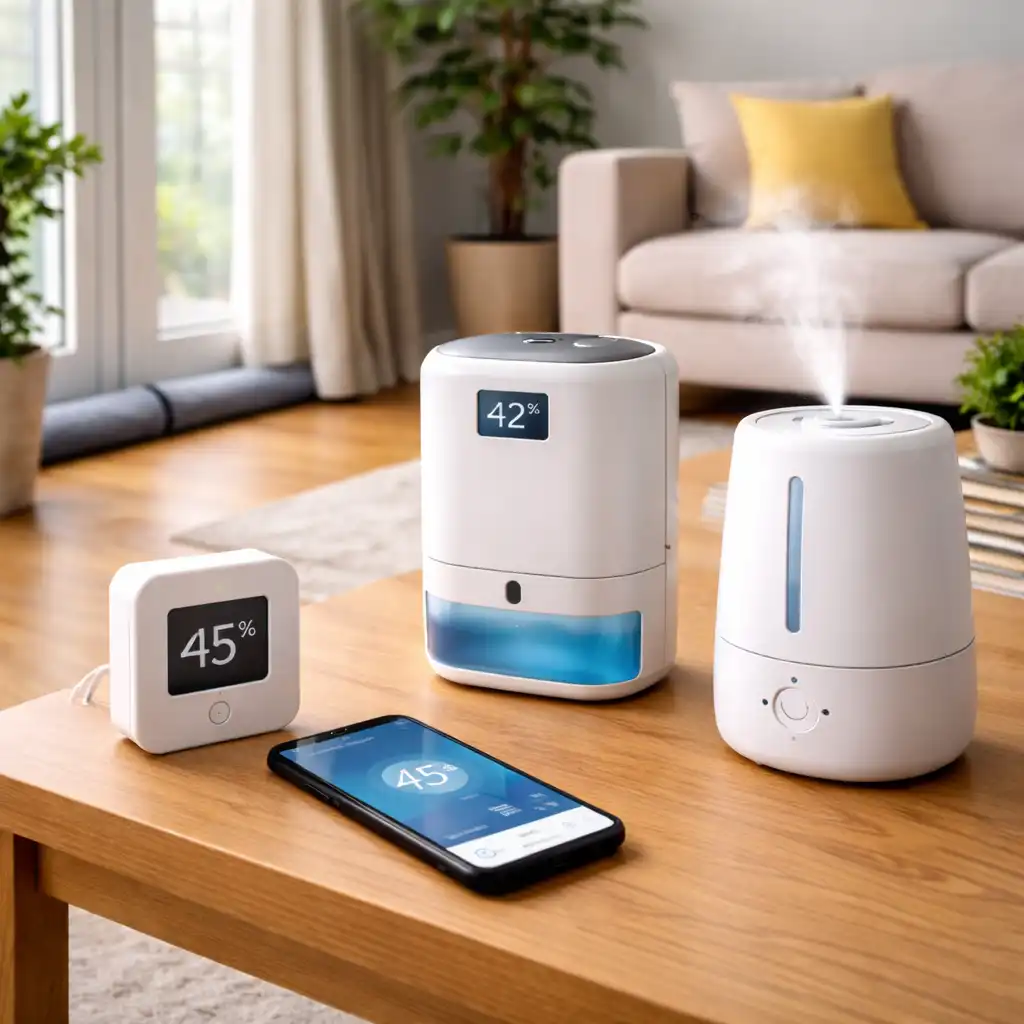
Smart humidity sensors give renters visibility they didn’t have before. They show real-time humidity levels and help you spot daily patterns.
Placing sensors in bedrooms, bathrooms, or near windows reveals where moisture builds up most. That makes it easier to decide when to run a humidifier, dehumidifier, or fan.
Most sensors are wireless, battery-powered, and easy to move—perfect for rental living.
🔍 Smart Dehumidifiers for Apartments
Smart dehumidifiers are ideal for apartments with excess moisture. Many models are compact and designed for single rooms or small spaces.
Features like scheduling, auto shutoff, and full-tank alerts make them easier to use without constant monitoring. This prevents overuse and keeps electricity costs in check.
For damp bathrooms or musty bedrooms, a small smart dehumidifier can noticeably improve comfort.
🔍 Smart Humidifiers for Dry Apartments
During colder months, apartment air often becomes too dry because of heating systems. Smart humidifiers restore balance by adding moisture in a controlled way.
These devices let you set a target humidity level instead of running nonstop. App control and scheduling are especially helpful in bedrooms and work-from-home spaces.
Compared to basic units, smart humidifiers provide more consistency with less guesswork.
🔍 Automating Humidity Control With Smart Plugs
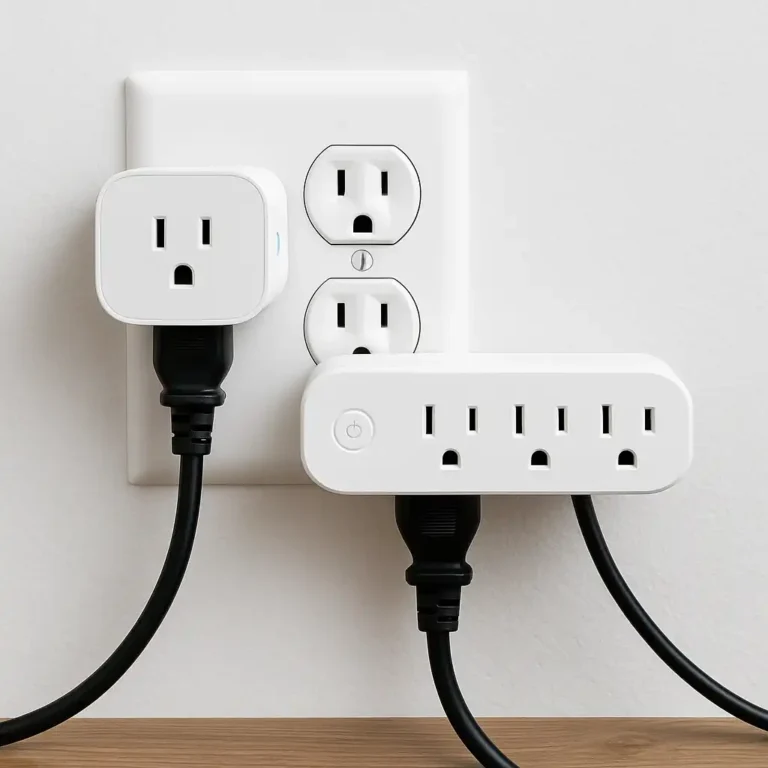
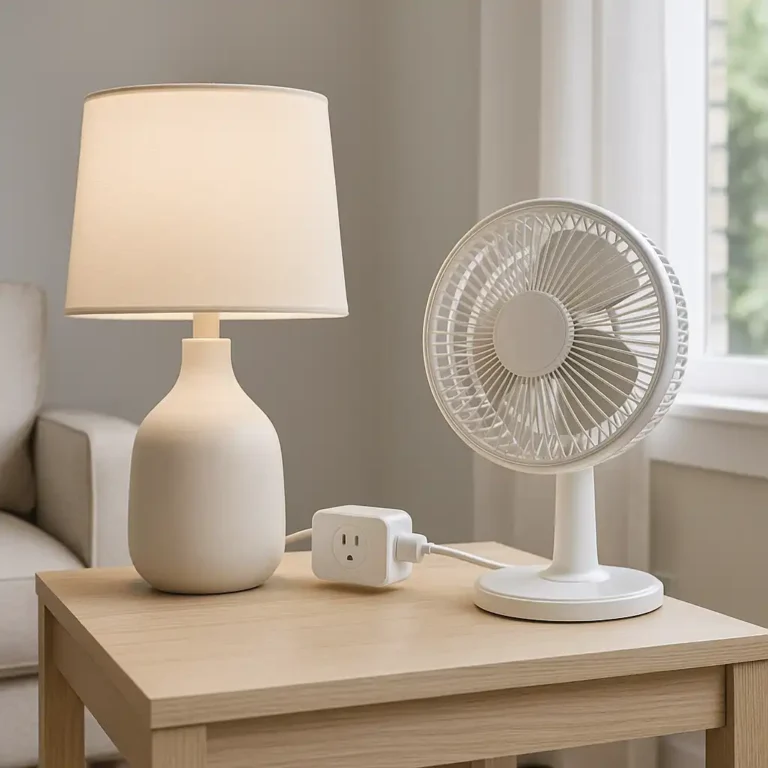
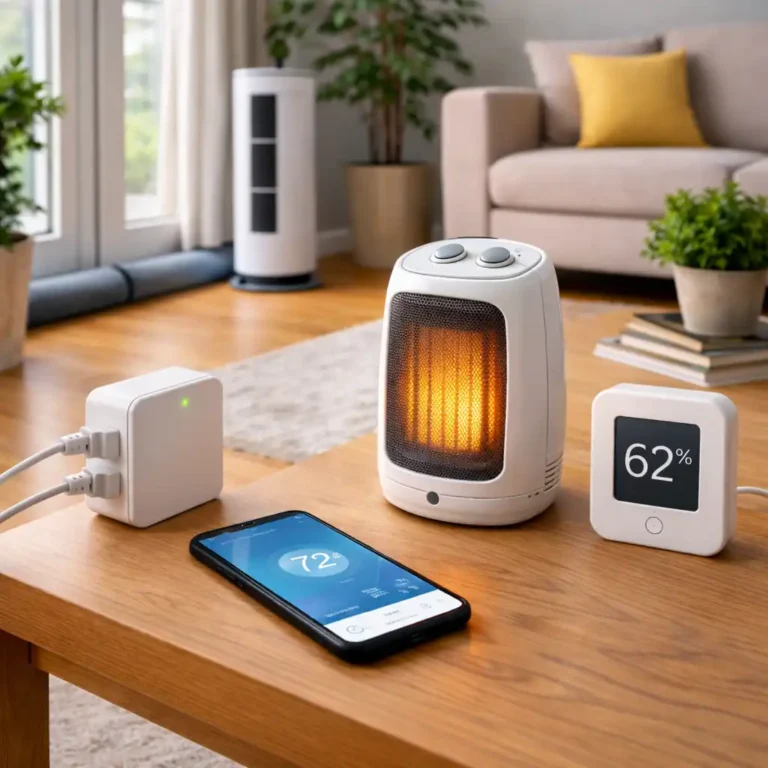
Smart plugs add flexibility, especially if you’re using non-smart humidifiers or dehumidifiers. They allow basic automation without replacing devices.
A humidifier can run overnight and shut off in the morning. A dehumidifier can operate during peak humidity hours and stop automatically later.
When paired with humidity sensors, smart plugs help devices respond to real conditions instead of assumptions.
🔍 Simple Physical Changes That Help
Not every humidity solution needs to be smart. Small physical habits can make a real difference.
Running bathroom fans longer, opening windows briefly, and wiping condensation from windows all help reduce moisture. Good furniture placement improves airflow and supports smart devices.
These renter-safe habits reduce strain on your devices and improve results.
🔍 Common Humidity Mistakes Renters Make
One common mistake is guessing instead of measuring. Without sensors, renters often overuse humidifiers or dehumidifiers.
Another issue is running devices nonstop. This wastes energy and can push humidity too far in the opposite direction.
Ignoring airflow is also common. Even smart devices need basic ventilation to work properly.
📌 Key Takeaways
- Humidity issues are common in apartments
- Ideal indoor humidity is between 30% and 50%
- Smart sensors remove guesswork
- Smart humidifiers and dehumidifiers are renter-friendly
- Automation and simple habits improve consistency
🟢 FAQs
Q: Do apartments usually have humidity problems?
Yes. Limited ventilation and shared walls often cause uneven humidity.
Q: Is high humidity dangerous in rentals?
Long-term high humidity can encourage mold growth and reduce air quality.
Q: Can renters control humidity without permanent changes?
Yes. Sensors, humidifiers, dehumidifiers, and smart plugs work without installation.
Q: Is it bad to run a humidifier all the time?
Yes. Constant use can lead to excess moisture, condensation, and mold issues.
✅ Conclusion
Smart humidity control is one of the easiest ways renters can improve comfort and air quality. By using sensors, smart humidifiers or dehumidifiers, light automation, and a few simple habits, you can maintain healthy humidity levels without touching building systems or breaking lease rules. For most apartments, small renter-friendly tools make a noticeable difference.