Apartment Privacy and Smart Security – Simple Guide for Renters
Last Updated: December 2025
Smart security can make apartment living much safer, but it naturally raises privacy questions—especially when you’re dealing with shared walls, Wi-Fi networks, and cloud-based apps. The good news is that modern smart home devices give you strong protection without giving up control over your personal data.
👉 If you want a simple foundation before choosing devices, check out our breakdown of renter-friendly smart security setups.
🔍 Understanding Apartment Privacy With Smart Devices
Privacy in an apartment mostly comes down to what a device records and how that data is stored. Smart cameras, sensors, locks, and voice assistants often save activity logs or footage through an app, but not all devices work the same way. Look for models that offer local storage options, encrypted streams, and clear permission settings so you stay in control.
Your landlord cannot access your smart devices unless you give them login access. As long as everything is tied to your personal account, your footage and alerts remain private.
🔍 Are Smart Security Cameras Safe for Renters?
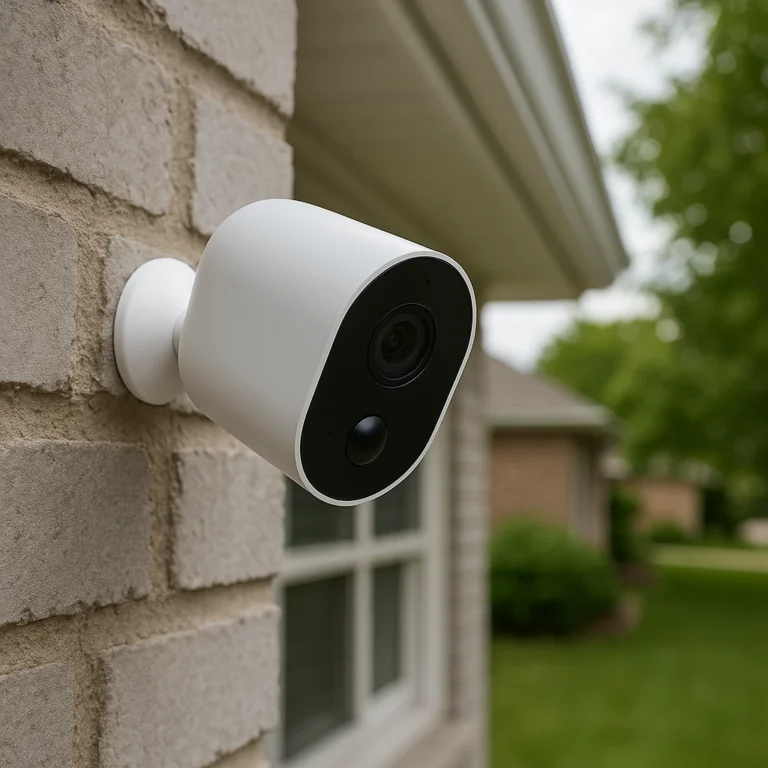
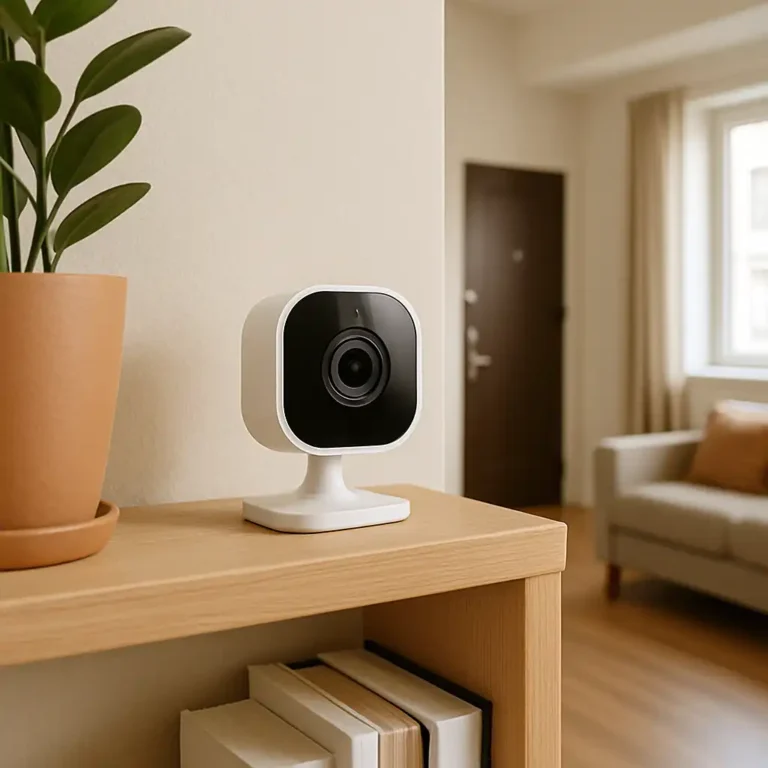
Yes—when used correctly. Most modern smart cameras include privacy shutters, encrypted video feeds, and the option to store footage locally instead of the cloud. These features limit what’s recorded and give you more control at home.
Many renters set cameras to record only when they’re away, keeping day-to-day life off-camera. Just make sure your lease allows indoor cameras facing your door or windows. Avoid recording shared hallways or any common building areas.
🔍 Apartment Camera Privacy Rules Renters Should Know
Indoor cameras are allowed in your private living space, as long as installation doesn’t damage anything. Landlords may place cameras in public building areas, but never inside your apartment.
If you live with roommates, cameras should only go in shared areas if everyone agrees. Never place them in bedrooms or bathrooms. It’s also good etiquette to tell guests if you have active recording inside your home.
Most regions follow a basic rule: record inside your unit if you want—but not in shared or sensitive spaces without consent.
🔍 Smart Home Privacy Tips for Renters
Privacy settings matter as much as the device itself. Look for strong encryption, local storage choices, and simple ways to adjust what’s collected. Disable features like continuous listening or always-on recording if you don’t need them.
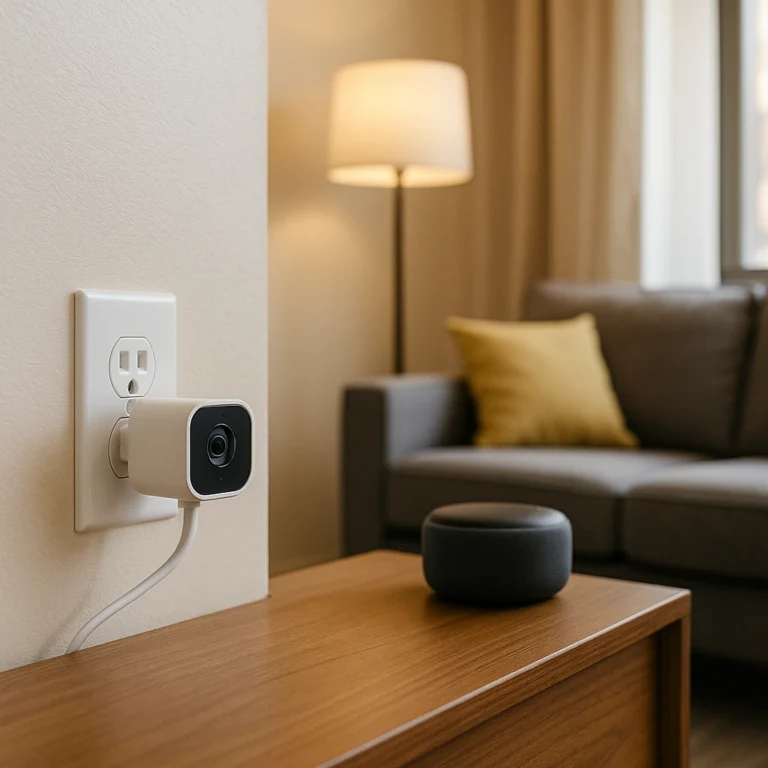
For extra safety, place smart devices on a guest Wi-Fi network. This keeps them separate from personal devices like laptops and phones.
You can also build small habits around privacy: closing camera shutters when you’re home, unplugging devices you rarely use, or pointing cameras toward the entryway instead of common living spaces.
🔍 How To Balance Privacy and Smart Security in a Rental
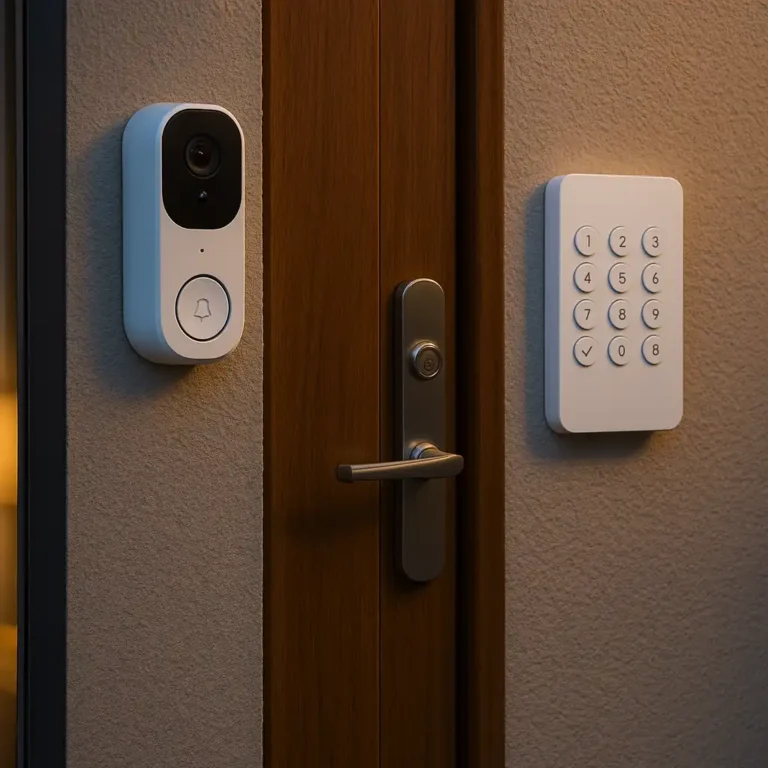
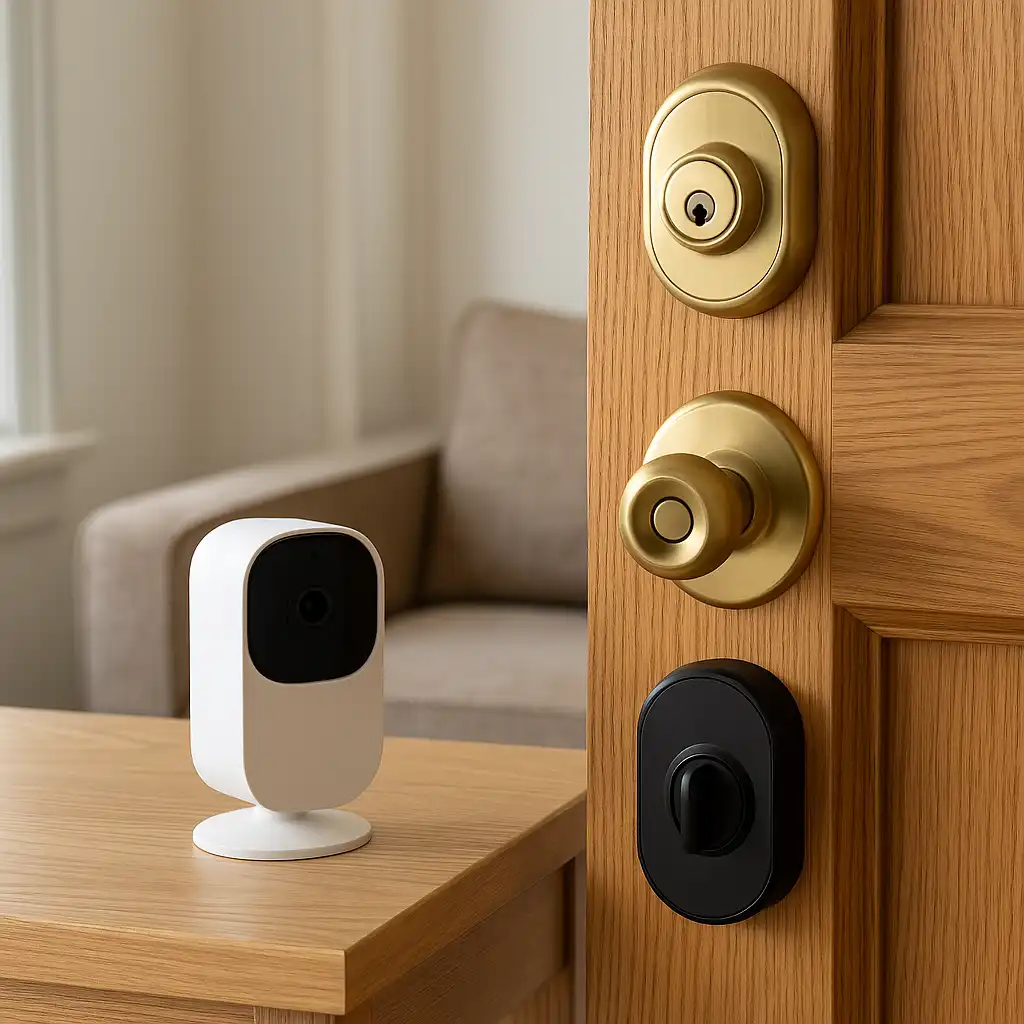
The most privacy-friendly setups rely less on cameras and more on sensors and access tools. Door and window sensors, smart locks, and motion-based lighting offer strong protection without recording anything.
If you use cameras, angle them at doors or windows, not living areas. Choose models with easy privacy toggles so you can turn them off with a tap or voice command. The goal is a setup that feels secure while keeping your everyday life private.
📌 Key Takeaways
- Smart devices can improve security without hurting your privacy
- Indoor cameras are allowed, but avoid shared building areas
- Strong passwords, permission controls, and local storage boost privacy
- Privacy-first setups often rely on sensors and smart locks instead of constant video
🟢 FAQs
Q: Can I install smart cameras without telling my landlord?
Yes. Indoor cameras are allowed as long as they don’t damage the property.
Q: Are smart devices safe for privacy-sensitive renters?
Yes—choose devices with encryption, privacy modes, and optional local storage.
Q: Is it legal to record inside my apartment?
Generally yes, but avoid recording roommates or guests without their consent.
Q: What’s the best privacy-friendly setup for apartments?
A mix of smart locks, sensors, and limited-use cameras is ideal.
✅ Conclusion
Smart security in a rental is all about balance. The right mix of sensors, smart locks, and selective camera use can make your apartment feel safer without giving up personal privacy. With the right settings and renter-friendly devices, you stay in full control of your home and your data.