Common Smart Plug Mistakes Renters Make (And How to Avoid Them)
Last Updated: December 2025
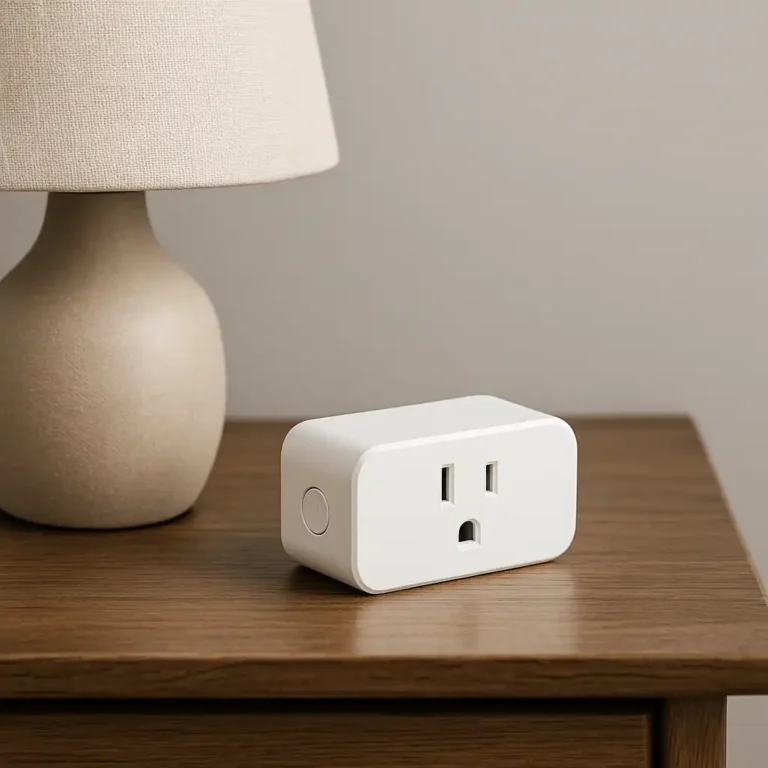
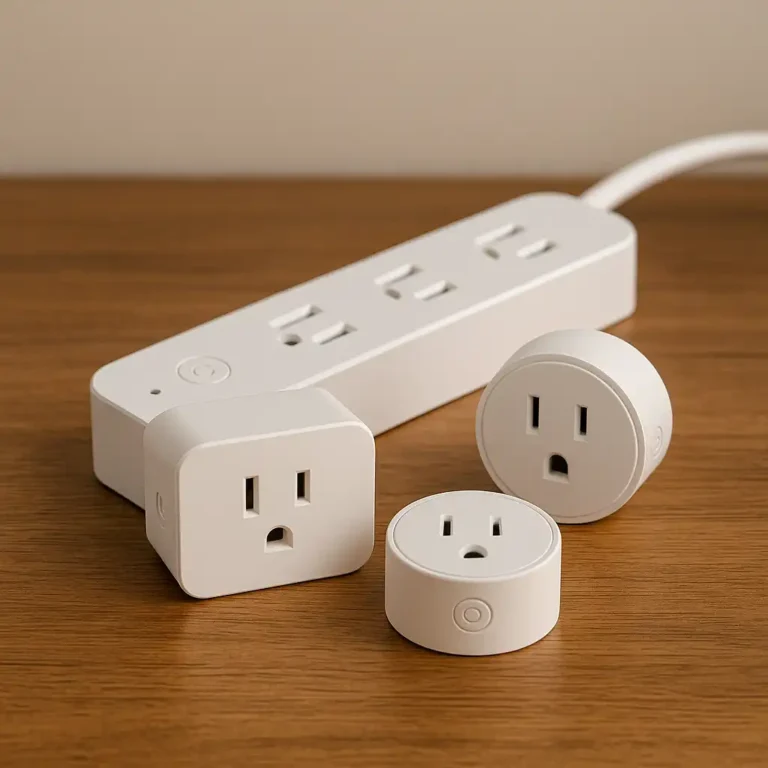
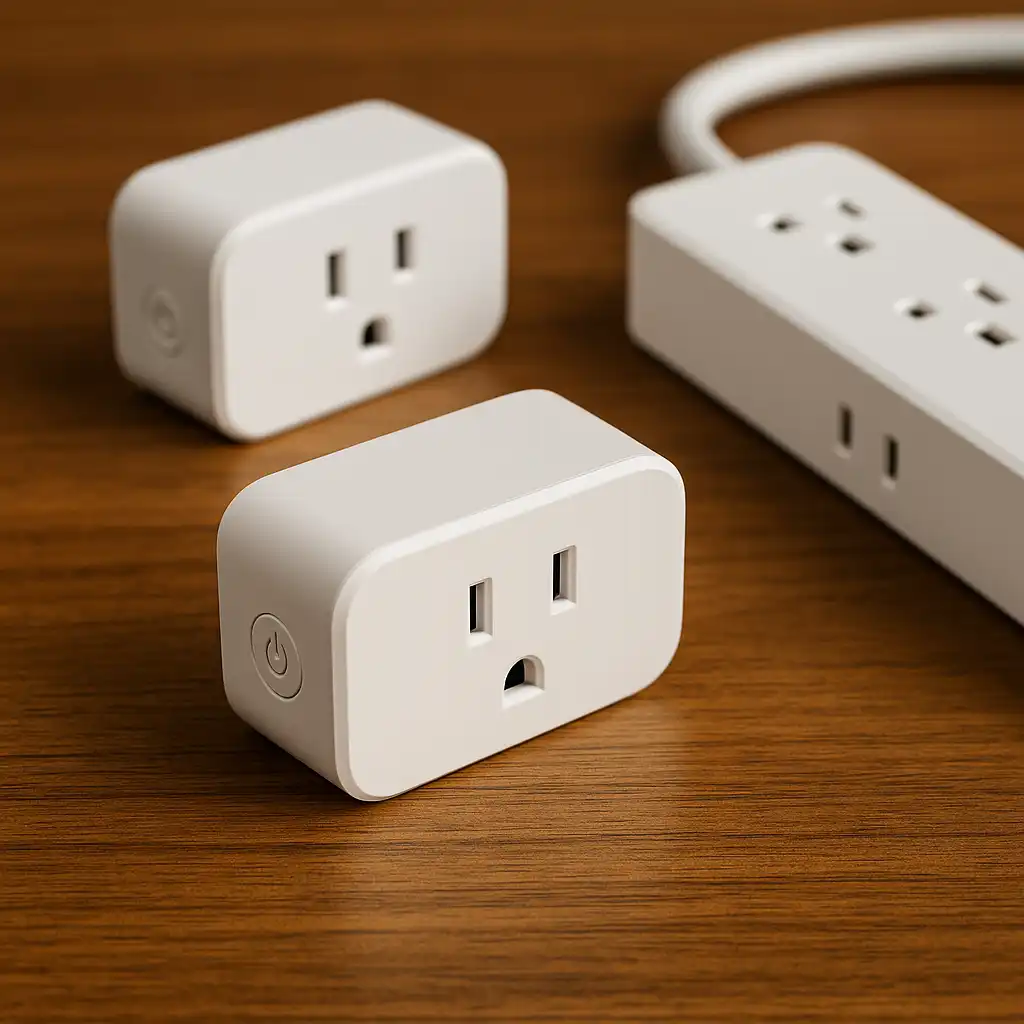
Smart plugs are one of the easiest ways renters add automation to an apartment. They’re affordable, removable, and don’t require tools or wiring. Still, most frustrations renters have with smart plugs come down to a few common mistakes that are easy to avoid once you know what to watch for.
Knowing these mistakes ahead of time helps renters use smart plugs safely, avoid unnecessary issues, and get more value from simple automation.
👉 If you want a quick refresher on how smart plugs are meant to work in apartments, this practical guide to using smart plugs in rental homes covers the basics before you fine-tune your setup.
🔍 Using Smart Plugs With the Wrong Devices
One of the most common mistakes renters make is plugging the wrong type of appliance into a smart plug. Smart plugs are built for everyday electronics like lamps, fans, and small appliances—not high-power devices.
Space heaters, portable AC units, and large kitchen appliances often draw more power than smart plugs are designed to handle. Renters who aren’t sure what’s safe to automate usually benefit from understanding which appliances smart plugs are actually meant to control in apartments before plugging everything in.
🔍 Overloading a Single Outlet or Circuit
Smart plugs make device control easier, but they don’t increase how much power an outlet or circuit can safely handle. Plugging multiple devices into the same outlet—especially through adapters or strips—can still overload a circuit.
This is more common in older apartments with limited outlets. Smart plugs should simplify control, not encourage pushing electrical limits.
🔍 Ignoring Outlet Condition
Renters often assume outlets are safe by default, but loose, cracked, or worn outlets can cause problems regardless of what’s plugged in.
If a smart plug feels loose, wobbles, or gets warm to the touch, the outlet itself may be the real issue rather than the smart plug.
🔍 Relying Too Heavily on Wi-Fi and Cloud Features
Another mistake is assuming smart plugs stop working completely when Wi-Fi drops. While features like remote access and voice control depend on the internet, basic schedules and manual control often continue working.
Renters with unstable Wi-Fi may get better results by relying on schedules instead of constant app interaction.
🔍 Skipping Compatibility Checks
Not all smart plugs work with every smart home platform. Buying a plug that doesn’t support your voice assistant or preferred app can limit how useful it is.
Checking compatibility with Alexa, Google Assistant, or Apple Home before buying prevents setup frustration later.
🔍 Leaving Smart Plugs Installed During Move-Out
Smart plugs are removable, but renters sometimes forget to unplug them before inspections or move-out walkthroughs. While this usually isn’t a serious issue, removing them avoids confusion.
Treat smart plugs like lamps or chargers—take them with you when you leave.
📌 Key Takeaways
- Smart plugs aren’t suitable for all appliances
- They don’t increase outlet or circuit capacity
- Outlet condition matters as much as the smart plug itself
- Wi-Fi outages don’t always stop basic smart plug functions
- Compatibility checks prevent setup frustration
🟢 FAQs
Q: Are smart plugs safe for renters to use?
Yes, when used with appropriate devices and outlets in good condition, they’re generally renter-safe.
Q: Can smart plugs damage outlets?
Not usually. Damage is more often caused by worn outlets or improper use.
Q: Do smart plugs work without Wi-Fi?
Some features stop, but schedules and manual control often still work.
Q: Should renters ask landlords before using smart plugs?
In most cases, no. Smart plugs are treated like standard plug-in electronics.
✅ Conclusion
Most smart plug problems renters run into aren’t caused by the devices themselves, but by how they’re used. Avoiding high-power appliances, checking outlet condition, and setting realistic expectations around Wi-Fi can make smart plugs a reliable, renter-friendly upgrade. With a little care, they remain one of the simplest ways to add convenience without risking lease or electrical issues.