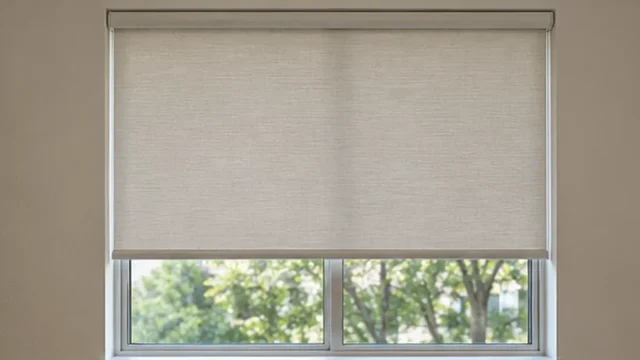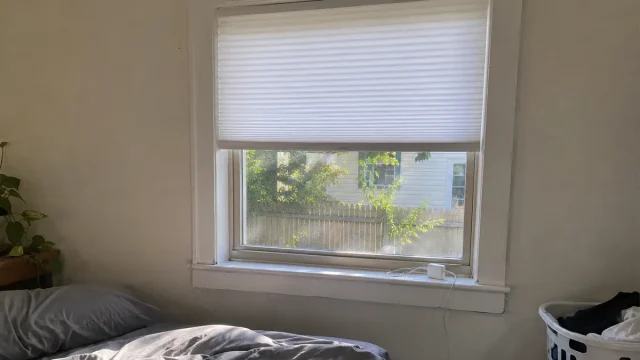
Tension blinds no drilling setups work by pressing a spring-loaded or twist-adjusted headrail against both sides of a window recess, so friction holds the blind up instead of screws. Pressure-mount blinds use the same idea with stronger end caps, and click-fit blinds clip onto the window's glazing beads, mainly on European-style uPVC windows. The right choice depends on your window type, the recess depth, and how heavy the blind is.
Also read: Blinds Without Strings: Cordless No-Drill Options for Renters · No-Tool, No-Screw Window Blinds – Easiest Installs Ranked · Best No-Drill Window Shades for Renters (2026) – No Tools Window Shades Compared · Smart Home WiFi Apartment Setup: How to Connect Devices as a Renter · Command Strips Hooks: Weight Limits, Wall Types & Safe Removal
Quick answer
- Tension-fit: headrail expands inside a window recess. Needs solid, parallel side walls.
- Pressure-mount: similar, with firmer end caps for wider or heavier blinds.
- Click-fit: brackets clip onto uPVC window beads. No recess needed, but only fits compatible frames.
- Adhesive mount: brackets stick to the frame. Fine for light blinds, risky on paint.
- Most falling problems come from a recess that's too wide or not parallel, weak end pressure, or an overweight blind.
The four no-drill blind mounting methods
| Method | How it holds | Needs | Best for | Weak spot |
|---|---|---|---|---|
| Tension-fit | Spring or twist pushes end caps outward | Inside recess with solid sides | Light roller, pleated, and cellular shades | Slips if the recess isn't parallel |
| Pressure-mount | Stronger end caps and adjustable tension | Inside recess, firm surfaces | Wider windows, slightly heavier shades | Can mark soft paint |
| Click-fit | Brackets clip into uPVC glazing beads | Compatible uPVC frame | Tilt-and-turn and casement windows | Doesn't fit wood or many US frames |
| Adhesive bracket | Brackets stick to frame face | Smooth, clean frame | Light blinds outside the recess | Peels paint, fails in heat |
If you're not sure what to buy, start with our Best No-Drill Blinds for Windows (Renter Guide).
How tension-fit blinds work
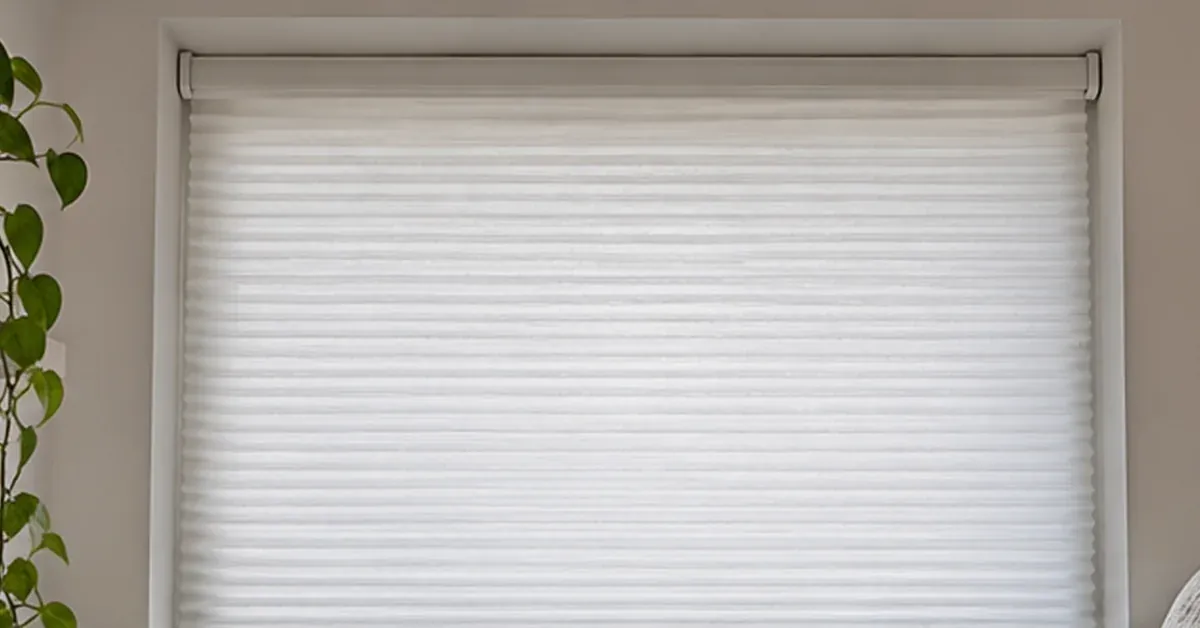
A tension-fit blind has a headrail with a spring or threaded adjuster inside. You set the width slightly wider than the recess, compress it, and let it expand so the rubber end caps grip the side walls. The more even the pressure, the better it holds.
What makes them hold well:
- A window recess at least as deep as the headrail
- Side walls that are smooth, solid, and parallel
- Rubber or silicone end pads with good grip
- A light blind fabric
What makes them fail:
- Plaster or drywall that crumbles under pressure
- Tapered or uneven recesses
- Heavy blackout or wood blinds
- Constant pulling on the bottom rail
How pressure-mount blinds are different
Pressure-mount blinds are built for more grip. They often use wider end caps, a screw adjuster, or a lever that locks in tension. That makes them better for wider windows and slightly heavier shades. The tradeoff is more pressure on the recess, which can leave marks on soft paint. Add the thin protective pads that come with many kits, or a small piece of clear felt, if you're worried about marks.
How click-fit blinds work
Click-fit (also called perfect-fit) blinds use brackets that slide into the gap between the window glass and the uPVC frame bead. The blind then sits inside the frame and moves with the sash. They're popular in the UK and Europe and on tilt-and-turn windows. In the US, many wood and aluminum frames don't have the right bead, so check before you buy. Our guide No-Drill Blinds for Tilt-and-Turn Windows: Installation Constraints covers this in detail.
Tension blinds no drilling: step-by-step install
- Measure the recess width at the top, middle, and bottom. Use the smallest number.
- Check the depth so the headrail fits fully inside.
- Check the side walls for cracks or soft spots.
- Set the headrail width a little wider than the recess, as the instructions direct.
- Compress and place the headrail level at the top of the recess.
- Release or tighten until the end caps grip firmly.
- Check level with a small level or phone app.
- Test gently by lowering and raising the blind a few times.
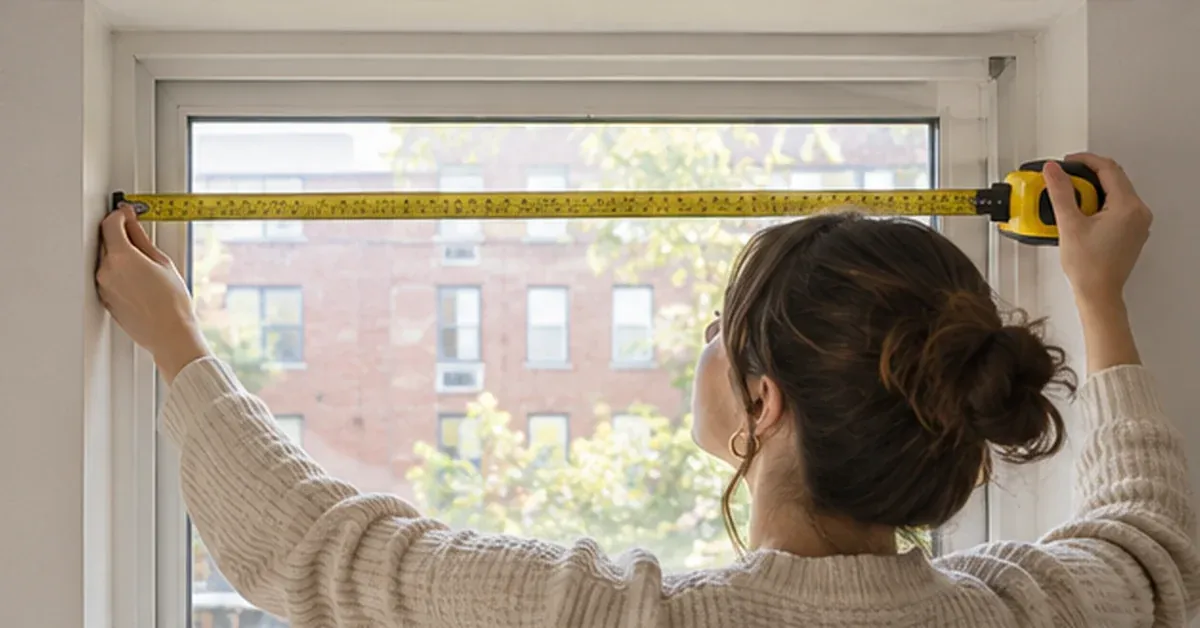
For exact measuring rules, read How to Measure Windows for No-Drill Blinds and Shades.
Why do tension blinds keep falling? Causes and fixes
If your tension blinds keep falling, the cause is almost always fit, surface, or load.
| Cause | Sign | Fix |
|---|---|---|
| Recess wider at top than bottom | Blind slides down over time | Re-measure and set tension for the widest point, or move the rail to where sides are parallel |
| Not enough tension | Blind shifts when you pull the cord or chain | Increase tension a few turns, or reset the spring width |
| Slippery paint | End caps slip on glossy paint | Add thin rubber or silicone grip pads |
| Soft or crumbling wall | End caps dig in | Choose a click-fit or outside-mount freestanding option |
| Blind too heavy | Sags in the middle | Switch to a lighter fabric or a different mount |
| Temperature changes | Falls on hot days | Re-tension in warm weather; avoid sun-baked recesses for heavy blinds |
| Rough daily use | Falls when pulled hard | Raise and lower gently from the center |
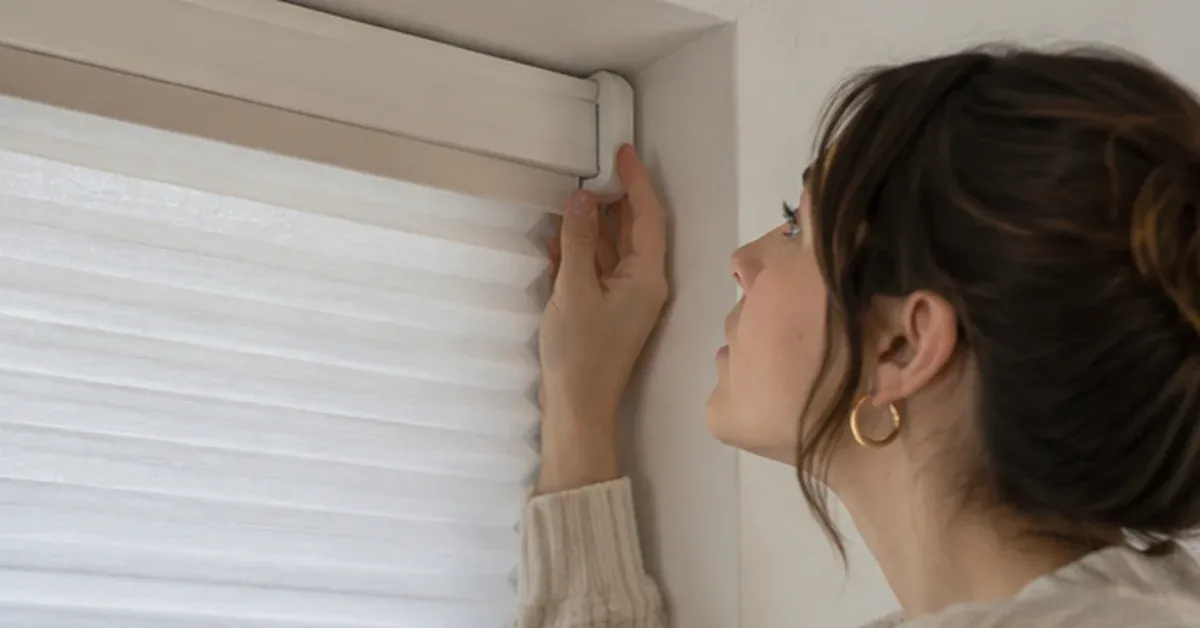
How to fix a tension rod that keeps slipping
The same steps work for tension rod blinds no drilling setups and curtain tension rods.
- Take the rod or headrail down.
- Clean both end caps and the wall contact spots with rubbing alcohol.
- Add grip pads if the walls are glossy.
- Reset the length so it's slightly longer than the opening.
- Reinstall level and tighten firmly, without forcing the wall.
- Hang only what the rod is rated to hold.
Which blind types work best with tension mounts?
| Blind type | Tension-friendly? | Note |
|---|---|---|
| Roller shades | Yes | Light, simple, common no-drill option |
| Pleated paper or fabric shades | Yes | Very light, good for renters |
| Cellular shades | Yes, if light | Good insulation |
| Roman shades | Sometimes | Heavier fabric; check weight |
| Faux wood blinds | Rarely | Usually too heavy |
| Heavy blackout | Sometimes | Check the rating carefully |
For product picks, see Best No-Drill Roller Shades & Blinds and No-Drill Roman & Zebra Shades. If you want them motorized later, read How to Retrofit Smart Blinds Without Drilling (HomeKit, Matter, Alexa).
Which rental windows work with tension blinds?
Not every window has the recess a tension blind needs. Check yours against these common rental setups.
| Window setup | Tension blind fit | What to do |
|---|---|---|
| Drywall return (window set back 2 to 4 inches) | Good | Standard tension-fit roller or pleated shade |
| Shallow aluminum frame with almost no recess | Poor | Use click-fit, adhesive brackets on the frame, or a freestanding curtain option |
| Old wood window with deep trim | Good if sides are solid | Check for soft wood or peeling paint first |
| Wide picture window (over 60 inches) | Mixed | Use two narrower shades side by side, or a pressure-mount rated for the width |
| Sliding glass door | Usually poor | Use a tension curtain rod or vertical panel system; see No-Drill Blinds for Doors & French Doors |
| Bay window | Mixed | Treat each section separately |
Recess depth matters more than people think
The headrail needs to sit fully inside the recess. If the recess is shallower than the headrail, the blind will stick out and get knocked, which pulls it loose. Measure depth from the glass or window frame to the front edge of the wall return. If you have a crank handle or window lock in the way, measure the clear depth in front of it.
A real renter scenario
Mia's new apartment has 3-inch-deep drywall returns on every bedroom window. She buys light pleated tension shades and measures each window at the top, middle, and bottom. One window is 1/4 inch wider at the top, so she sets the tension for the top width and adds grip pads. After six months, none have slipped. Her living room has a shallow aluminum frame, so she skips tension blinds there and uses a tension curtain rod across the wider window frame instead.
Deposit and removal tips
Tension mounts are among the safest renter options, but heavy pressure can leave marks.
- Use the protective pads included with the kit.
- Don't overtighten on soft plaster.
- Remove by supporting the headrail with both hands and releasing tension slowly.
- Wipe the contact spots and touch up any marks before move-out.
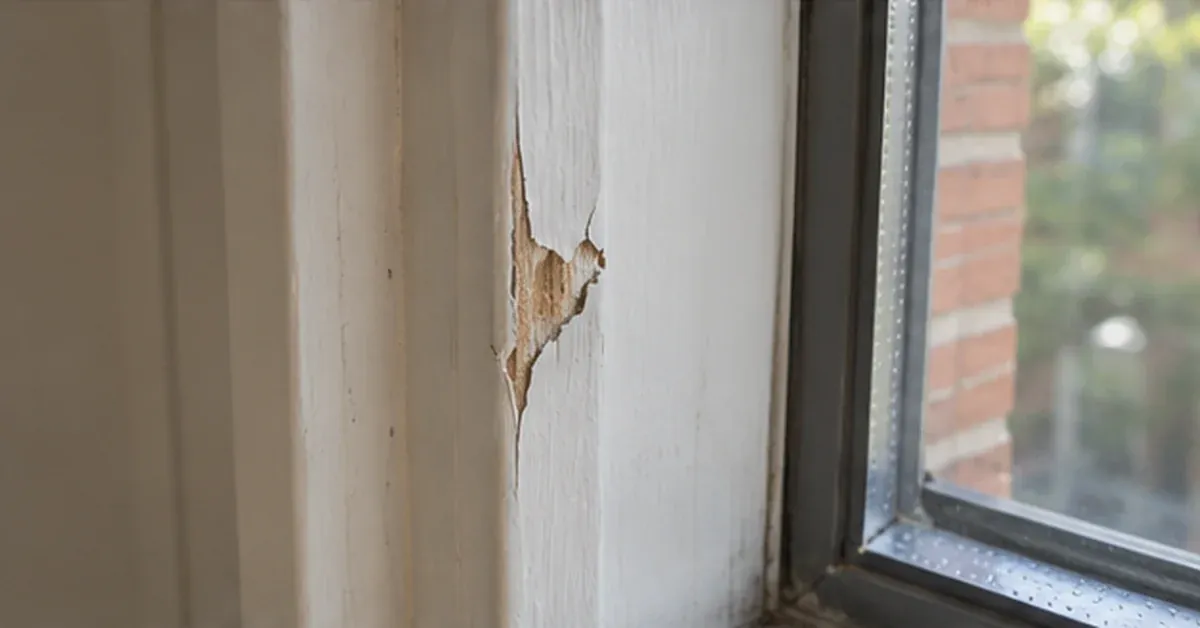
Our guide How to Remove No-Drill Blinds Without Damaging Window Frames covers removal step by step.
Mistakes to avoid
- Measuring only once, at the middle of the recess
- Using a tension mount in a shallow or tapered recess
- Choosing heavy blinds for a spring tension rail
- Overtightening against crumbly plaster
- Yanking the cord or bottom rail
Questions
Frequently asked questions.
Do tension blinds really work without drilling?
Yes, when the window recess has solid, parallel sides and the blind is light enough. They're a common renter-friendly choice for roller and pleated shades.
Why do my tension blinds keep falling?
The recess may not be parallel, the tension may be too low, the paint may be slippery, or the blind may be too heavy. Re-measure, add grip pads, and increase tension.
What's the difference between tension and pressure-mount blinds?
Both push against the recess sides. Pressure-mount blinds use stronger end caps or locking adjusters for wider or heavier shades.
Can tension mounted blinds damage window frames?
They can leave marks on soft paint if overtightened. Use protective pads and release tension slowly when removing.
Do click-fit blinds work on US windows?
Only on compatible uPVC frames with the right bead. Many US wood and aluminum frames aren't compatible.
Conclusion
Tension blinds no drilling setups are a solid renter choice when your recess is the right shape and your blind is light. Measure in three places, use good grip, keep the load light, and fix slipping early. For the full list of no-drill blind options, head back to Best No-Drill Blinds for Windows (Renter Guide).
Sources
- Window Covering Safety Council: Cord safety guidance
- Manufacturer installation guides for tension-fit roller and pleated shades