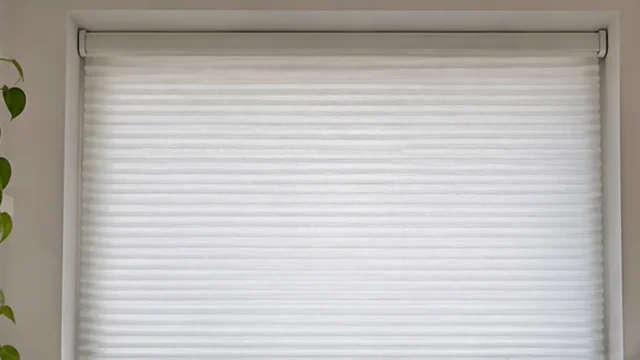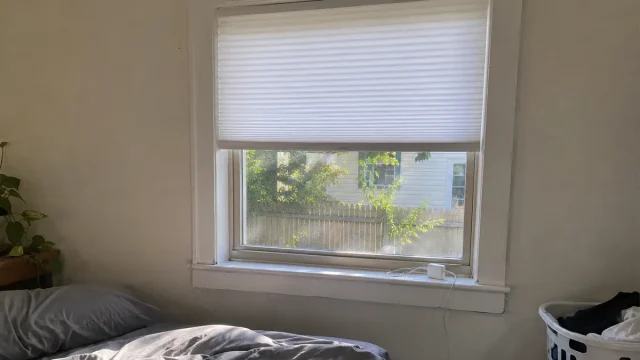
Blinds without strings are window coverings you raise and lower by pushing the bottom rail, turning a wand, or using a motor, with no loose pull cords. For renters, they're safer around kids and pets, look cleaner, and many come in no-drill versions that mount with tension, adhesive, or clip-in brackets. If your rental already has corded blinds, you can make them safer with cord cleats, or swap in a cordless shade and store the landlord's blinds until move-out.
Also read: Best No-Drill Window Shades for Renters (2026) – No Tools Window Shades Compared · Tension Blinds No Drilling: How Tension, Pressure & Click-Fit Mounts Work · No-Tool, No-Screw Window Blinds – Easiest Installs Ranked · How to Hang Window Boxes Without Drilling (Brick, Siding & Rails) · Troubleshooting Connectivity Issues in Multi Device Smart Home Setups
Quick answer
- Cordless (push-up): lift or lower by hand on the bottom rail. Cheapest and simplest.
- Wand-controlled: a rigid wand tilts slats or moves the shade. No loops.
- Motorized: app, remote, or voice control. Best for hard-to-reach windows.
- No-drill mounts: tension-fit, adhesive brackets, or click-in frames.
- If you have corded blinds now, tie cords up high with a cleat, keep cribs and furniture away from windows, and ask your landlord about replacement.
Why blinds without strings matter
Loose window cords are a strangulation risk for young children, and pets can get tangled too. The US Consumer Product Safety Commission runs a "go cordless" campaign urging families to use cordless window coverings in homes with young children. Since late 2018, a US industry standard has required most stock window coverings sold off the shelf to be cordless or have short or inaccessible cords, but older blinds in rentals may still have long loops.
If you're renting with kids, cordless blinds are one of the most important no-drill safety upgrades you can make. Our guide Apartment Childproofing Without Drilling: What Is Safe and What Is Not? covers the rest of the room.
Types of blinds without strings
| Type | How you control it | No-drill friendly? | Best for | Approx. price range |
|---|---|---|---|---|
| Cordless pleated or paper shades | Push and pull the bottom rail | Very (often tension or adhesive) | Quick, cheap fixes | $10 to $40 per window |
| Cordless cellular shades | Bottom rail | Yes, tension or adhesive brackets | Insulation, bedrooms | $30 to $120 |
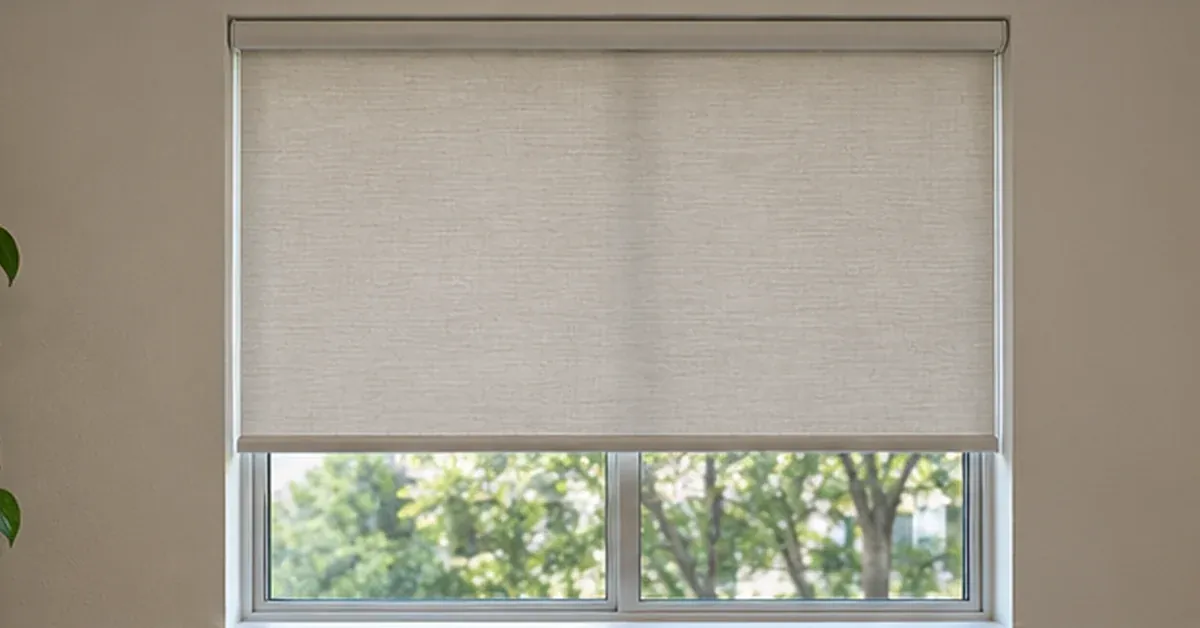
| Cordless roller shades | Spring-loaded bottom rail | Yes, tension models | Living rooms, offices | $25 to $100 |
| Wand-tilt blinds | Wand tilts slats, lift is cordless | Sometimes | Light control | $30 to $120 |
| Motorized shades | App, remote, voice | Yes, battery models | High or wide windows | $80 to $300+ |
| Add-on blind motor | Clips onto existing chain or cord | Yes | Upgrading existing blinds | $60 to $130 |
Prices are typical ranges and vary by size and brand.
Cordless blinds safety for renters: child and pet checklist
Even with cordless blinds, a few habits make windows safer.
- Remove or secure loops. Cut continuous loops only if the manufacturer offers a safe repair kit. Otherwise, wrap cords on a cord cleat mounted high, ideally with a no-drill adhesive cleat.
- Move cribs, beds, and furniture away from windows so kids can't climb to reach cords or open windows.
- Keep chairs and toy bins out of window reach.
- Check inner cords on older blinds. If you can pull a loop out from between the slats, it's a hazard.
- Choose cordless or motorized shades for kids' rooms and nurseries.
- For pets, keep cords out of reach and watch for chewing.
How cordless lift systems work
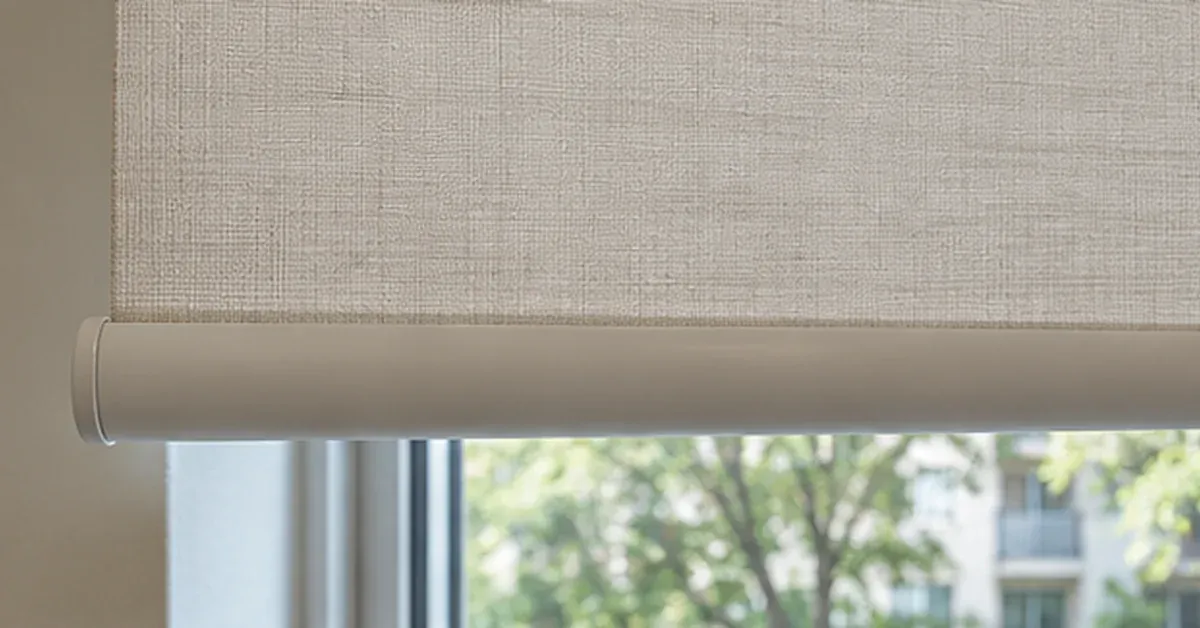
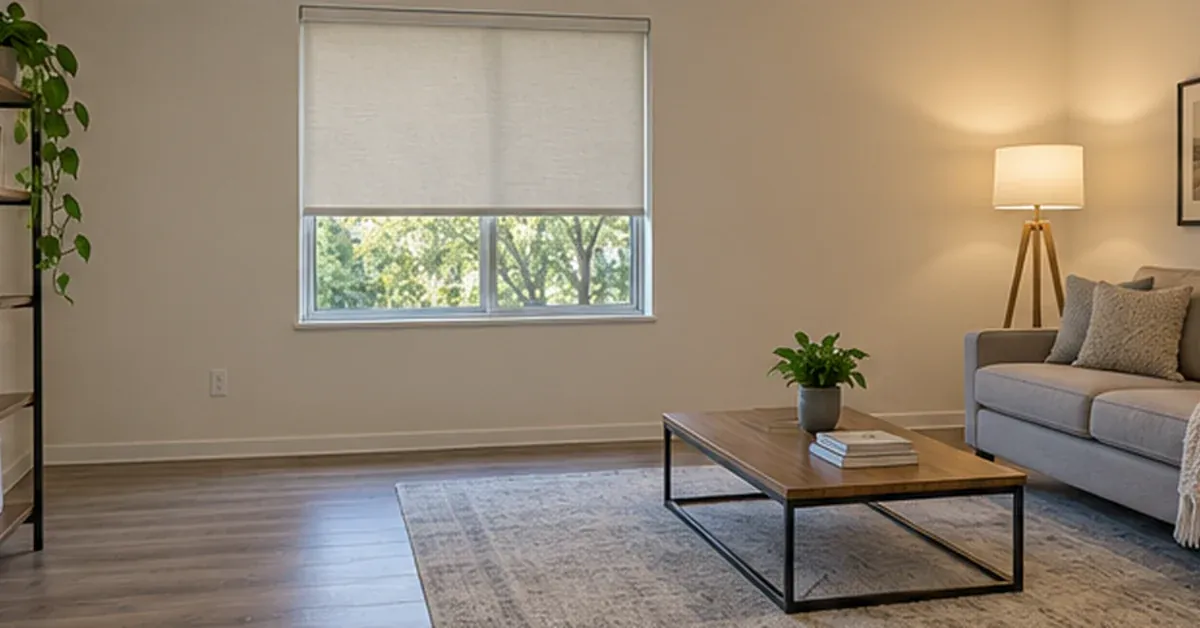
Cordless shades use a spring motor or a friction system inside the headrail. When you push the bottom rail up, the spring takes up the fabric. When you pull down, it lets the fabric out and holds it where you stop. Good systems stop smoothly at any height.
To keep them working:
- Lift and lower from the center of the bottom rail.
- Move the shade all the way up and down a few times a month so the spring stays balanced.
- If a shade drifts down or won't stay up, check the manufacturer's tension adjustment steps rather than forcing it.
- Keep shades away from heaters and direct steam, which can warp fabric and plastic parts.
Corded vs cordless vs motorized: which fits your rental?
| Corded | Cordless | Motorized | |
|---|---|---|---|
| Child and pet safety | Lowest | High | High |
| Upfront cost | Lowest | Low to medium | Highest |
| Ease on tall windows | Good | Harder to reach | Best |
| Ease on wide windows | Good | Can be heavy to lift | Best |
| No-drill options | Some | Many | Many battery models |
| Smart home control | No | No | Yes |
Choosing by room
- Nursery and kids' rooms: cordless or motorized only.
- Bedrooms: cordless cellular or blackout shades for insulation and sleep. See How to Block Light Gaps Around No-Drill Blackout Shades.
- Living rooms: cordless roller or light-filtering pleated shades.
- Tall or wide windows: motorized, so nobody has to stretch or lift a heavy rail.
- Kitchens and bathrooms: moisture-resistant cordless faux wood or vinyl.
How to install cordless no-drill blinds
- Measure the window recess width in three places and use the smallest number. See How to Measure Windows for No-Drill Blinds and Shades.
- Pick a mount: tension for solid recesses, adhesive brackets for smooth frames, click-in for compatible uPVC windows.
- Clean contact surfaces with rubbing alcohol for adhesive mounts.
- Install level and test the shade's travel.
- Teach the household to lift from the center of the bottom rail.
If your current blinds are landlord-owned, take photos, remove them carefully, label the parts, and store them in a safe place until move-out. Ask first if you're not sure the lease allows it.
Buying checklist for cordless blinds in a rental
Before you order, run through this list:
- Mount type matches your window. Tension needs a recess with solid sides. Adhesive needs a smooth, cured frame. Click-in needs a compatible uPVC frame.
- Size is exact. Inside-mount shades should be about 1/4 inch narrower than the recess unless the maker says otherwise. Many tension models list a width range instead.
- Weight is reasonable for the mount. Heavy blackout and wood blinds strain tension rails.
- Light control fits the room. Sheer and light-filtering for living spaces, blackout for bedrooms.
- Lift is easy for everyone in the household. Wide cordless shades can be hard for kids and older adults to lift.
- Moisture rating for kitchens and bathrooms.
- Return policy covers fit problems, since rental windows are rarely perfectly square.
- Removal is simple. You should be able to take it down in minutes at move-out.
If you're replacing several windows at once, order one first, test it for a week, then buy the rest.
Motorized blinds for renters
Motorized blinds renters can install without wiring are usually battery-powered. Motorized shades and clip-on motors remove cords completely and make tall or awkward windows easy. Battery models avoid wiring. They pair with smart speakers and can open or close on a schedule, which helps with privacy and heat control.
Read How to Retrofit Smart Blinds Without Drilling (HomeKit, Matter, Alexa) to add a motor to blinds you already have, and see No-Drill Motorized Blinds for Renters for product options.
What if your landlord's blinds have cords?
You have three good options:
- Secure the cords with a high cord cleat and wrap them every time.
- Ask your landlord to replace them with cordless blinds. Many landlords will, especially if you have young children. Put the request in writing.
- Add your own cordless shade in front or behind, and tie the old cords up out of reach.
Don't cut cords or remove parts of landlord-owned blinds without permission.
Bathroom and humid rooms
Cordless faux-wood and vinyl blinds handle humidity better than fabric shades. For bathrooms, look for moisture-resistant materials and avoid adhesive mounts near the shower. See Bathroom Window Blinds Without Drilling.
A real renter scenario
Dana moves into a two-bedroom with old corded mini blinds and a toddler. She emails her landlord with photos of the long loops and asks for cordless replacements. The landlord agrees to replace the nursery blinds and lets her store the living room blinds. Dana installs cordless tension-fit pleated shades in the living room for about $25 each and moves the crib to an interior wall. At move-out, she reinstalls the old living room blinds.

Mistakes to avoid
- Keeping corded blinds in a nursery or kids' room
- Leaving a crib or bed under a window
- Using a low cord cleat a child can reach
- Pulling cordless shades from one side, which can skew or jam them
- Cutting landlord-owned blind cords without permission
Questions
Frequently asked questions.
What are blinds without strings called?
They're usually called cordless blinds or cordless shades. Wand-controlled and motorized blinds also have no loose pull cords.
Are cordless blinds safer for kids?
Yes. Removing accessible cords removes a strangulation hazard. Safety groups and the CPSC recommend cordless window coverings in homes with young children.
Can I install cordless blinds without drilling?
Yes. Many cordless shades come with tension-fit, adhesive, or click-in mounts designed for renters.
What can I do about corded blinds in my rental?
Secure cords high with a cleat, move furniture away from windows, and ask your landlord in writing to replace them with cordless blinds.
Are motorized blinds worth it for renters?
They're worth it for hard-to-reach or wide windows and for automation. Battery models avoid wiring and can move with you.
Conclusion
Blinds without strings are safer, tidier, and easy to install without drilling. Choose cordless or motorized shades for kids' rooms, secure any cords that remain, and keep furniture away from windows. For the full range of no-drill window coverings, go back to Best No-Drill Blinds for Windows (Renter Guide).
Sources
- CPSC: Window covering cords, go cordless (cpsc.gov/gocordless)
- Window Covering Safety Council: Window cord safety (windowcoverings.org)