The best blackout shades light gaps fix combines three layers: a shade sized to fit the recess as tightly as possible, something to close the side gaps (adhesive side channels, magnetic strips, or removable light-blocking tape), and a blackout curtain or valance over the top. Inside-mount shades always leave a small gap at each side, so true darkness usually needs more than the shade alone. All of these fixes work without drilling.
Also read: Blinds Without Strings: Cordless No-Drill Options for Renters · Tension Blinds No Drilling: How Tension, Pressure & Click-Fit Mounts Work · Best No-Drill Window Shades for Renters (2026) – No Tools Window Shades Compared · No-Tool, No-Screw Window Blinds – Easiest Installs Ranked · How to Secure Smart Home Devices on Shared Apartment WiFi
Quick answer
- Side gaps: add adhesive side channels or magnetic edge strips.
- Top gap: add a valance, a blackout curtain on a tension rod, or a top seal strip.
- Bottom gap: make sure the shade reaches the sill; add a weighted bottom rail or a curtain that overlaps.
- Easiest full fix: blackout shade plus wide, floor-length blackout curtains on a tension or no-drill rod.
Where light leaks and why
| Gap | Why it happens | Size |
|---|---|---|
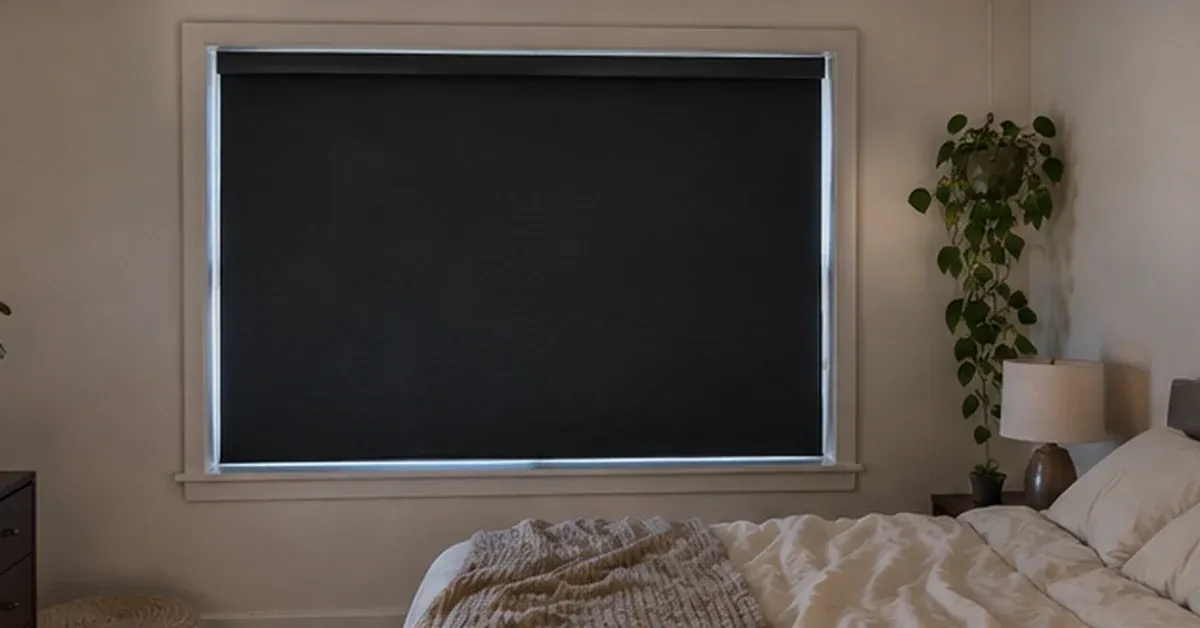
| Sides | Inside-mount shades are slightly narrower than the recess so they can move | Often 1/4 to 1/2 inch each side |
| Top | Headrail and roll sit below the top of the recess | Varies |
| Bottom | Shade doesn't quite reach the sill or the sill is uneven | Varies |
| Through fabric | "Room darkening" isn't full blackout | Glow through the fabric |
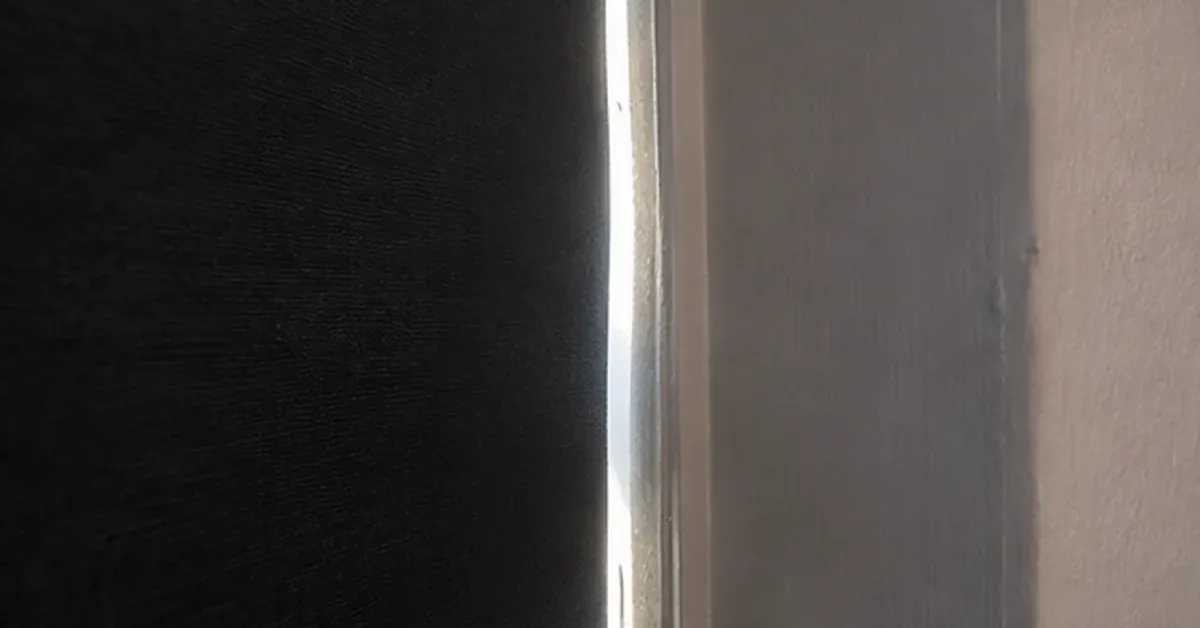
Blackout shades light gaps fix 1: close side gaps
Adhesive side channels are thin U-shaped tracks that stick to the sides of the recess. The shade edges slide inside, blocking light. They're the most effective side fix. Remove with gentle heat at move-out.
Magnetic strips pair a strip on the shade edge with one on the frame to hold the fabric against the wall.
Light blocking tape or foam strips along the recess edges reduce gaps cheaply. Test removal on a hidden spot first.
Fix 2: Cover the top
- A valance or cornice box that rests on brackets or a tension rod hides the headrail gap.
- A blackout curtain on a tension rod or no-drill bracket mounted above the recess covers the top completely.
- Top seal strips stick to the top of the recess.
Fix 3: Seal the bottom
- Make sure the shade length reaches the sill. If not, it was measured too short. See How to Measure Windows for No-Drill Blinds and Shades.
- A weighted bottom rail helps the shade sit flat.
- Floor-length curtains overlap the sill.
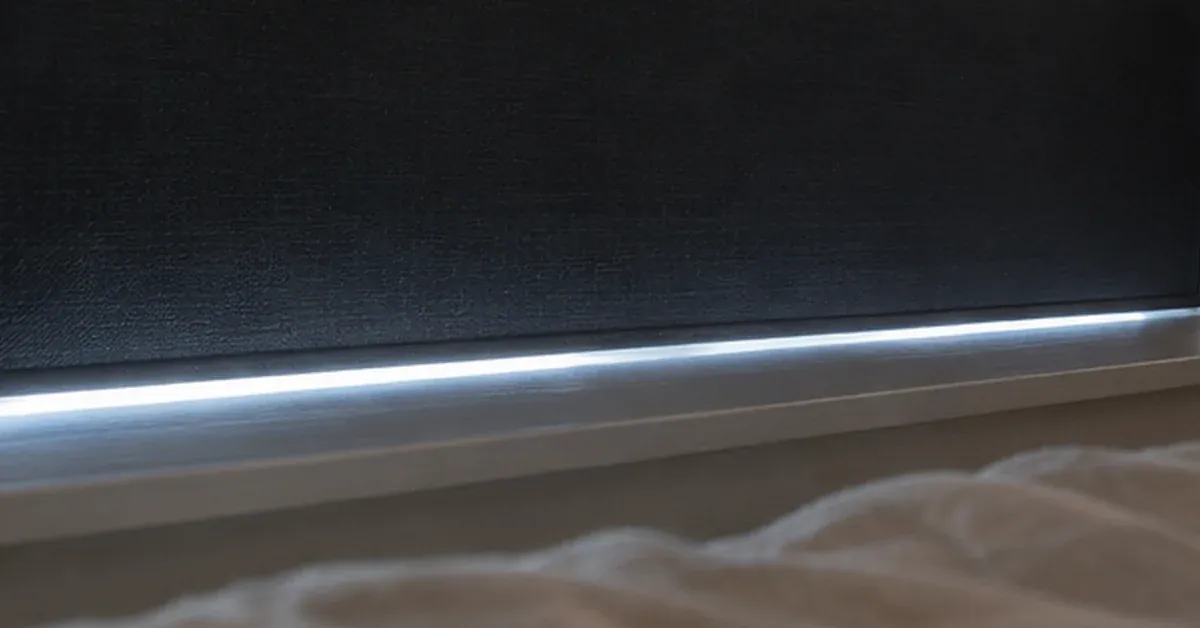
Fix 4: Layer curtains over the shade
This is the simplest and most complete fix. Hang blackout curtains:
- At least 4 to 6 inches wider than the window on each side
- From as close to the ceiling as possible
- Long enough to reach the floor or well past the sill
Use a tension rod inside a frame or a no-drill rod that rests on the frame. For heavy fabric, read How to Hang Heavy & Blackout Curtains Without Drilling.
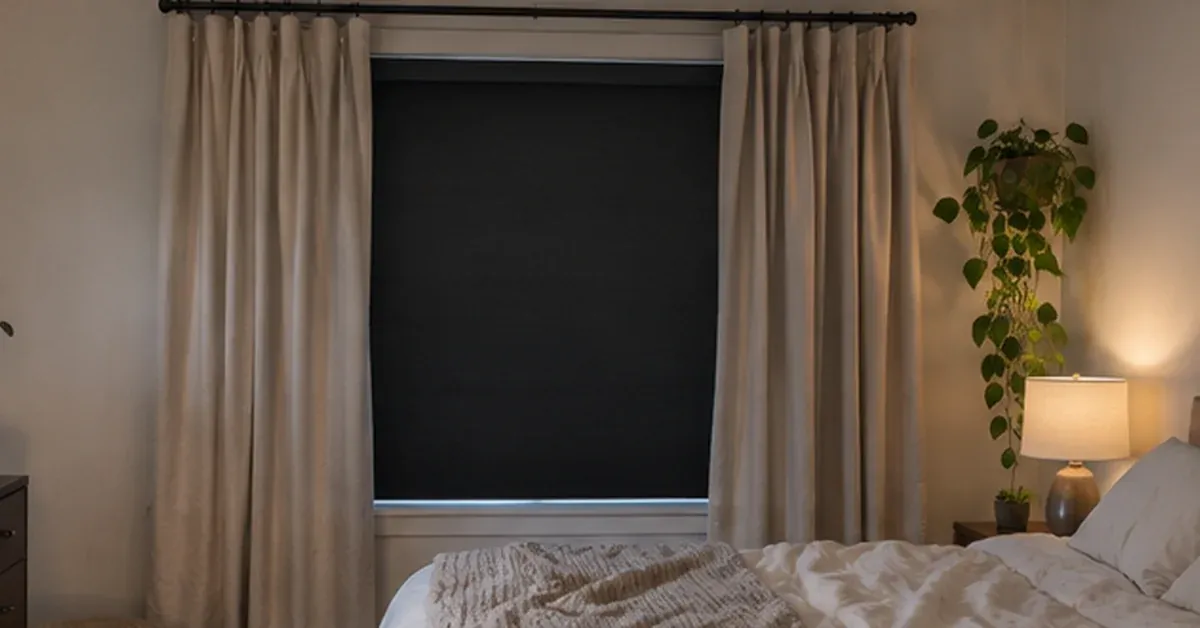
Blackout options compared
| Fix | Drilling? | Blocks | Approx. cost | Deposit risk |
|---|---|---|---|---|
| Adhesive side channels | No | Side gaps | $25 to $60 per window | Medium (adhesive) |
| Magnetic strips | No | Side gaps | $10 to $25 | Medium (adhesive) |
| Light-blocking tape | No | Side and top gaps | $8 to $15 | Low to medium |
| Valance on tension rod | No | Top gap | $15 to $40 | Low |
| Blackout curtains on tension rod | No | Everything, if wide and long | $30 to $100 | Low |
| Temporary blackout film or panels | No | Whole window | $15 to $40 | Low |
Prices are approximate ranges.
Measuring for a tighter fit
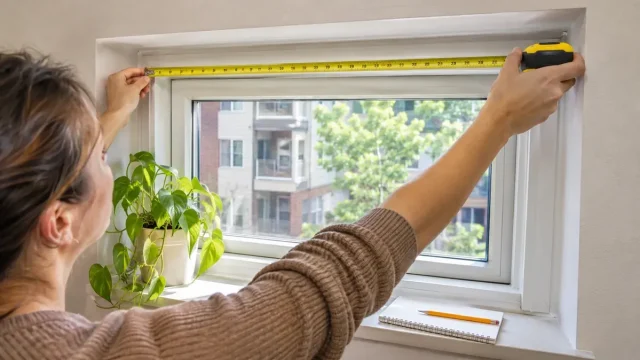
- Measure the recess at top, middle, and bottom; buy for the smallest width.
- Choose a shade with the smallest allowable deduction.
- If the recess is uneven, choose an outside-mount option or rely on curtains.
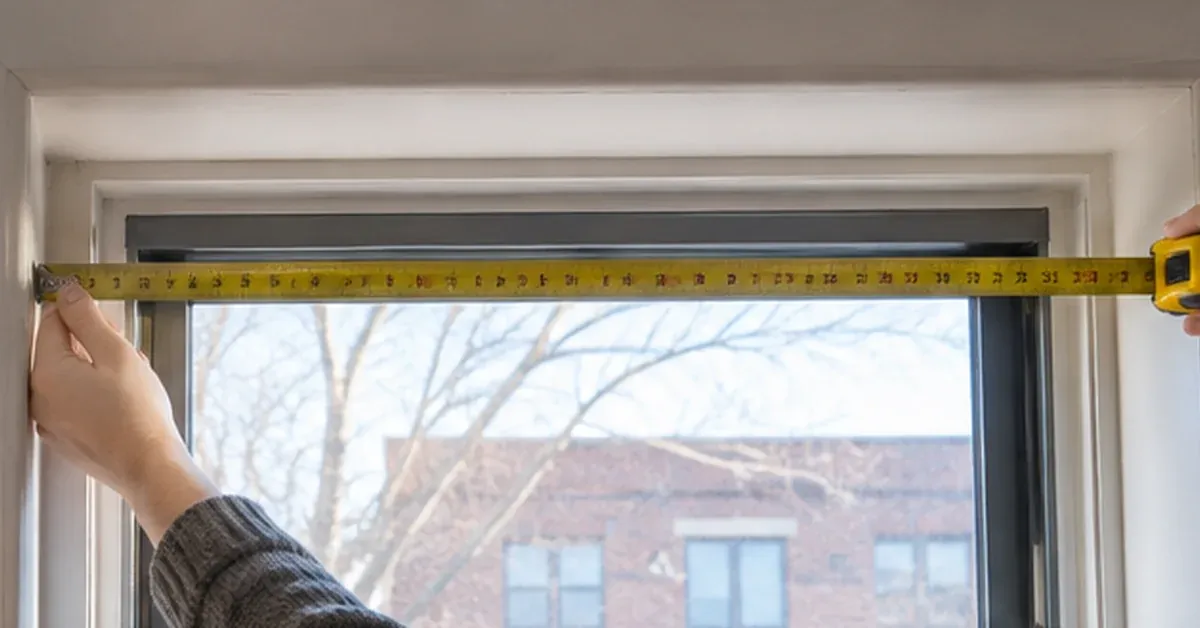
Building a total blackout bedroom as a renter
For a total blackout bedroom, renters usually need every layer:
- A true blackout shade (not "room darkening") sized tightly to the recess.
- Side channels or magnetic strips.
- Wide, floor-length blackout curtains on a tension rod or no-drill bracket.
- A curtain that overlaps the wall by several inches on each side.
- A draft stopper or towel under the door if hallway light leaks in.
- Covers or tape over bright electronics LEDs.
Night-shift workers, new parents, and light sleepers often find that the door and electronics leak as much light as the window.
Sleep masks and temporary fixes
If you're traveling, between leases, or waiting on an order, temporary fixes help:
- Static-cling blackout film on the glass (peels off without residue)
- Removable blackout panels that press into the window frame
- A good sleep mask as a backup
Watch for condensation
Tight blackout setups trap cold air against glass in winter. Raise shades in the morning and keep humidity under control to avoid moisture and mold behind the shade. See How to Reduce Humidity and Condensation in an Apartment.
A real renter scenario
Kai works night shifts and sleeps during the day. His bedroom's tension blackout shade leaves bright lines at the sides and top. He adds adhesive side channels, then hangs wide blackout curtains on a tension rod mounted near the ceiling inside the window alcove. The room goes nearly dark, and he can remove everything at move-out with a hair dryer and patience.
Mistakes to avoid
- Buying "room darkening" when you need blackout
- Narrow curtains that only cover the glass
- Taping over fresh paint
- Blocking radiators with heavy curtains
- Keeping blackout setups closed all day in winter, which traps condensation
Blackout fixes by window type
| Window type | What usually leaks | Best no-drill fix |
|---|---|---|
| Double-hung (sash) | Side gaps and the meeting rail | Side channels plus a wide curtain |
| Sliding | Gaps at the track and sides | Outside-mount curtain that overlaps the frame |
| Casement or crank-out | Handle area and sides | Shade mounted on the frame face, plus a curtain |
| Tilt-and-turn | Gaps around the sash | Click-fit blackout blinds that move with the sash |
| Wide picture window | Edges and seams between panels | Two overlapping curtain panels on a tension rod |
If your window doesn't fit neatly into one of these, curtains that overlap the wall on every side are the most reliable fallback.
How dark is dark enough?
For most people, a room where you can't read a book by window light is dark enough for sleep. Night-shift workers and people with migraines may want true blackout, where you can barely see your hand. Test at the brightest time you sleep, such as midday for day sleepers or early summer mornings for everyone else, and fix the brightest gap first.
Questions
Frequently asked questions.
How do I stop light leaking around blackout blinds?
Add side channels or magnetic strips, cover the top with a valance or curtain, and make sure the shade reaches the sill. Layering curtains is the simplest full fix.
Why do blackout shades have gaps on the sides?
Inside-mount shades are made slightly narrower than the recess so they can roll up and down without rubbing.
Can I block light without drilling?
Yes. Use adhesive side channels, tension-rod curtains, valances, and removable blackout film.
Will light-blocking tape damage window frames?
It can pull paint if removed quickly. Test on a hidden area and remove slowly with gentle heat.
Conclusion
A reliable blackout shades light gaps fix seals the sides, covers the top, and overlaps the bottom, usually with a shade plus wide blackout curtains. Every piece can go up without drilling. For more no-drill window ideas, go back to Best No-Drill Blinds for Windows (Renter Guide) or shop Best No-Drill Blackout Blinds & Shades.
Sources
- Manufacturer guidance on inside-mount deductions and blackout side channels